 OMM Redaksiyası

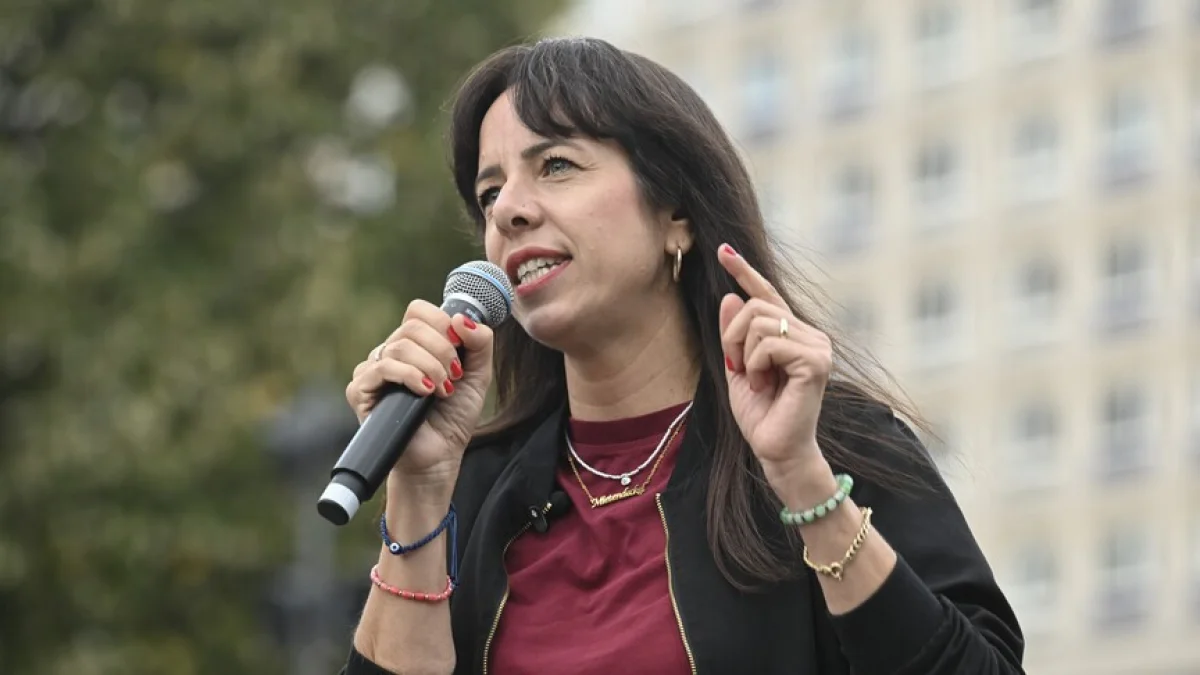
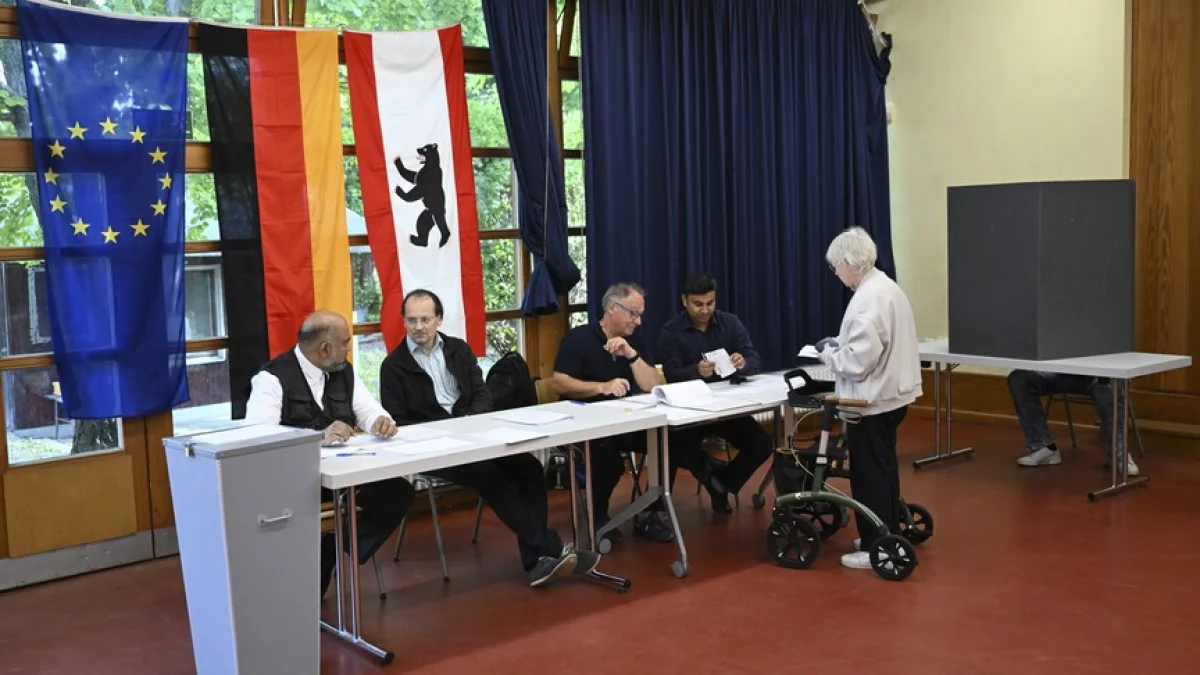
Berlin voters handed a historic victory on Sunday to Elif Eralp, a human rights advocate of Turkish origin whose Left Party won 25.7% of the vote and more than doubled its share from three years ago, according to Anadolu Agency.
The result puts Eralp in contention to become Berlin’s first governing mayor with a migrant background. However, the Left Party fell short of an outright majority and will need to form a coalition with at least two other parties.
“Berliners, thank you — thank you for your trust,” Eralp told supporters celebrating the result. “Together, we made history today. Starting now, we will change Berlin — together.”
A campaign focused on rents and social inequality
Eralp’s rise has been compared by supporters and international commentators to New York Mayor Zohran Mamdani’s 2025 victory. She has welcomed the comparison, saying both campaigns focused on economic pressures and sought to unite diverse communities.
Her campaign centered on soaring rents, rising transport costs and problems with street waste collection. She proposed capping rents in city-owned apartments, establishing a state office to tackle illegal rent increases and reviving plans to bring large housing companies into public ownership.
The Left Party also conducted a door-to-door campaign across Berlin, including districts that support the anti-immigration Alternative for Germany, or AfD.
From migrant family to Berlin politics
Eralp’s parents moved to Germany from Türkiye after the 1980 military coup. Born in Munich in 1981, she grew up in Dortmund and Hamburg and has lived in Berlin for 16 years.
She has said that experiences of injustice and discrimination during her childhood motivated her to study law. She later worked in human rights and became a legal policy adviser to the Left Party’s group in the Bundestag.
Eralp joined the party in 2017 and entered Berlin’s state parliament in 2021. She has campaigned against discrimination and supported voting rights for people with migrant backgrounds.
She continues to live in a rented apartment and has said she has been unable to find a new one for years. Asked whether landlords had rejected her because of her Turkish surname, she said she could not know because landlords are not required to provide a reason.
Criticism of the AfD and Gaza policy
Eralp presented her victory as a response to the AfD’s growing support, particularly after the party’s strong result in Saxony-Anhalt two weeks earlier. She argued that electing a mayor with a migrant background would offer an alternative to blaming refugees for social problems.
She also criticised Chancellor Friedrich Merz’s conservative CDU, accusing it of adopting positions associated with the AfD and failing to address voters’ concerns about social decline, housing and public services.
Eralp has been an outspoken critic of Israeli Prime Minister Benjamin Netanyahu’s government and has condemned alleged war crimes in Gaza. She said Netanyahu should be arrested if he travelled to Berlin and rejected accusations that criticism of his government was antisemitic.
She has also accused the outgoing CDU-led administration under Governing Mayor Kai Wegner of cancelling events and using disproportionate police force against pro-Palestinian demonstrators.
Coalition talks will shape Eralp’s agenda
The most viable governing option appears to be a three-party alliance between the Left Party, the centre-left Social Democratic Party and the Greens. Coalition negotiations will test whether Eralp can preserve her key promises while reaching agreements with parties that do not share all of the Left Party’s positions.
Eralp has said cheaper rents and social justice must be included in any coalition agreement. The outcome of the negotiations will determine whether her comparison with Mamdani becomes more than campaign rhetoric and translates into concrete policies in government.