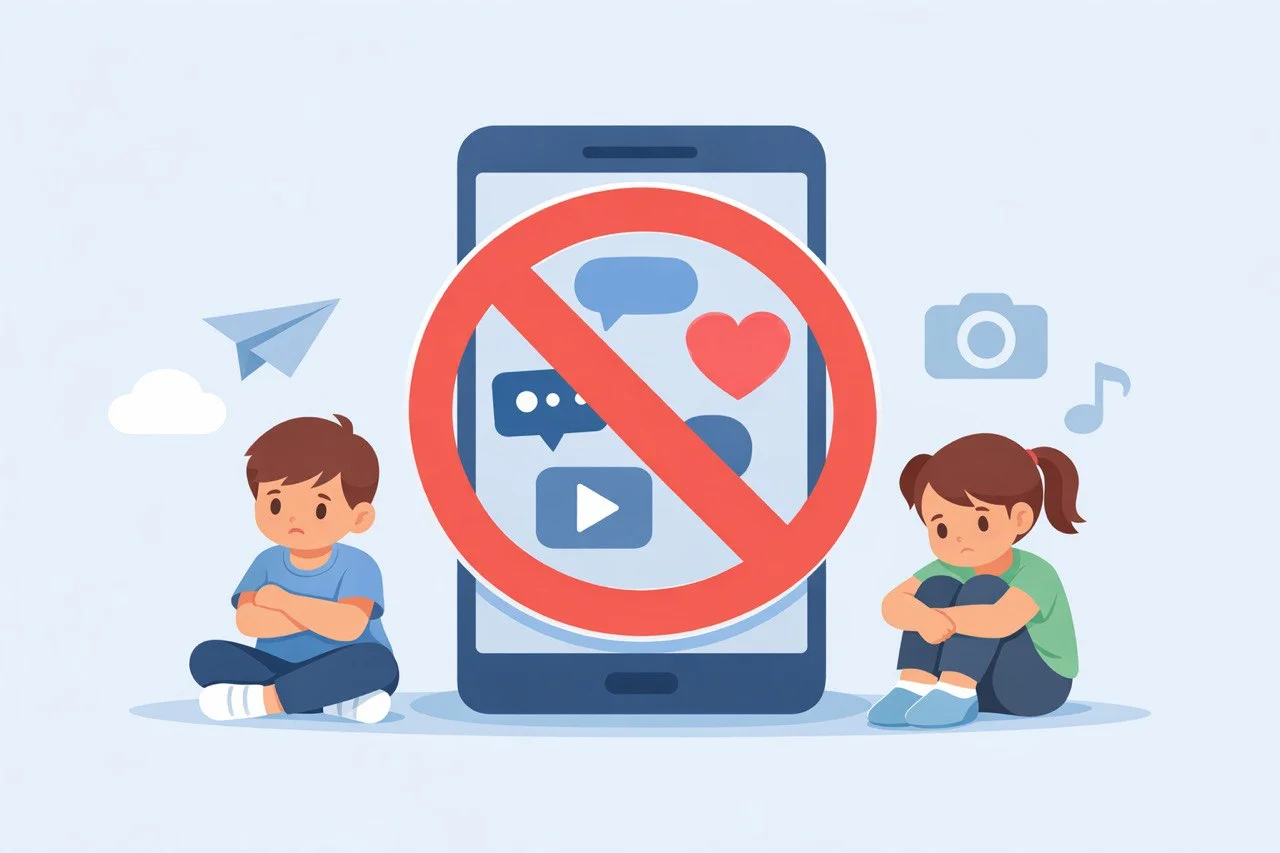
The Republic of Azerbaijan is weighing the possibility of restricting social media access for minors as concerns grow over the impact of digital platforms on the psychological development and safety of children.
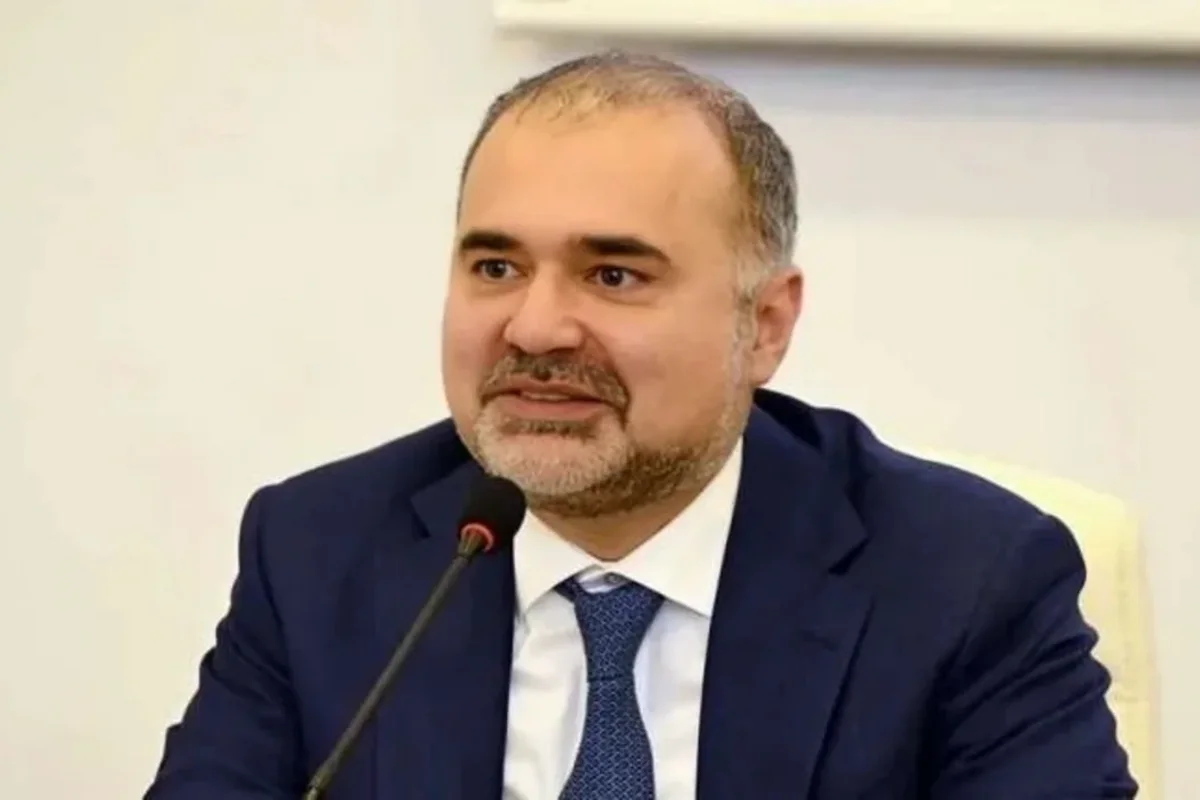
In an interview with the Operative Information Center-OMM, Honored Journalist and Professor Qulu Maharramli stated that the primary goal of limiting social media access is to protect children from excessive time loss and exposure to unregulated, unethical content. He noted that while children previously spent limited time watching television, they now spend hours on social media platforms where algorithms silently shape their thinking.
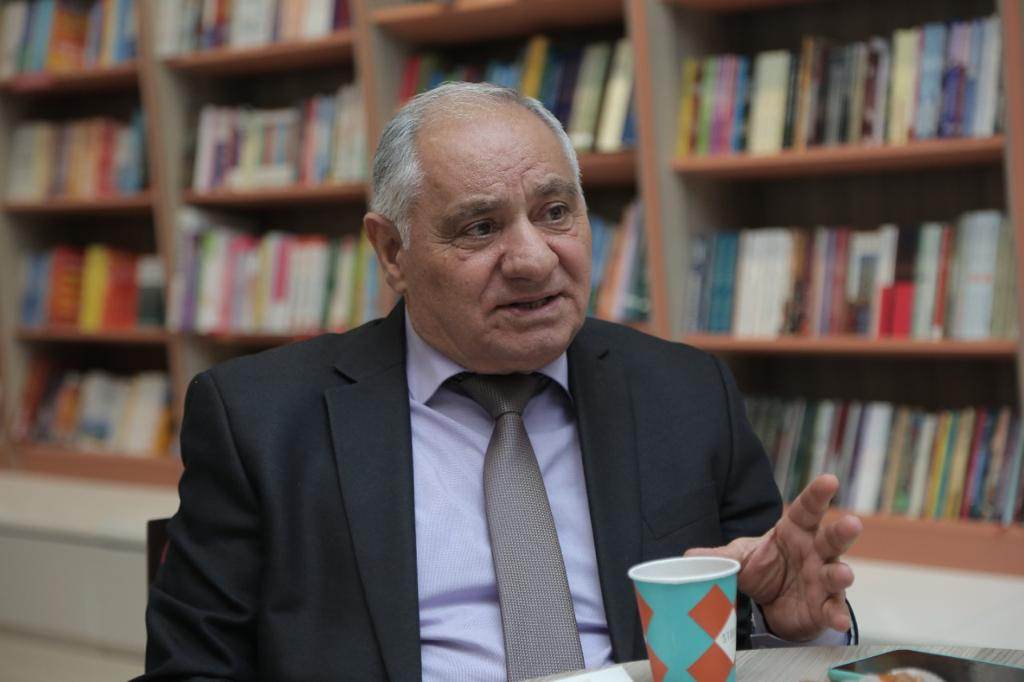
According to the professor, the lack of regulation in social media content significantly impacts the psychology and mindsets of young users in Azerbaijan.
Professor Maharramli emphasized that children's intelligence should not be formed by external algorithms. "They must be protected from outside influences and grow up with an open, universal mindset based on national values," he added. He further noted that mobile devices have become the primary form of entertainment for children at a very early age, posing risks to their independent development and healthy worldview.
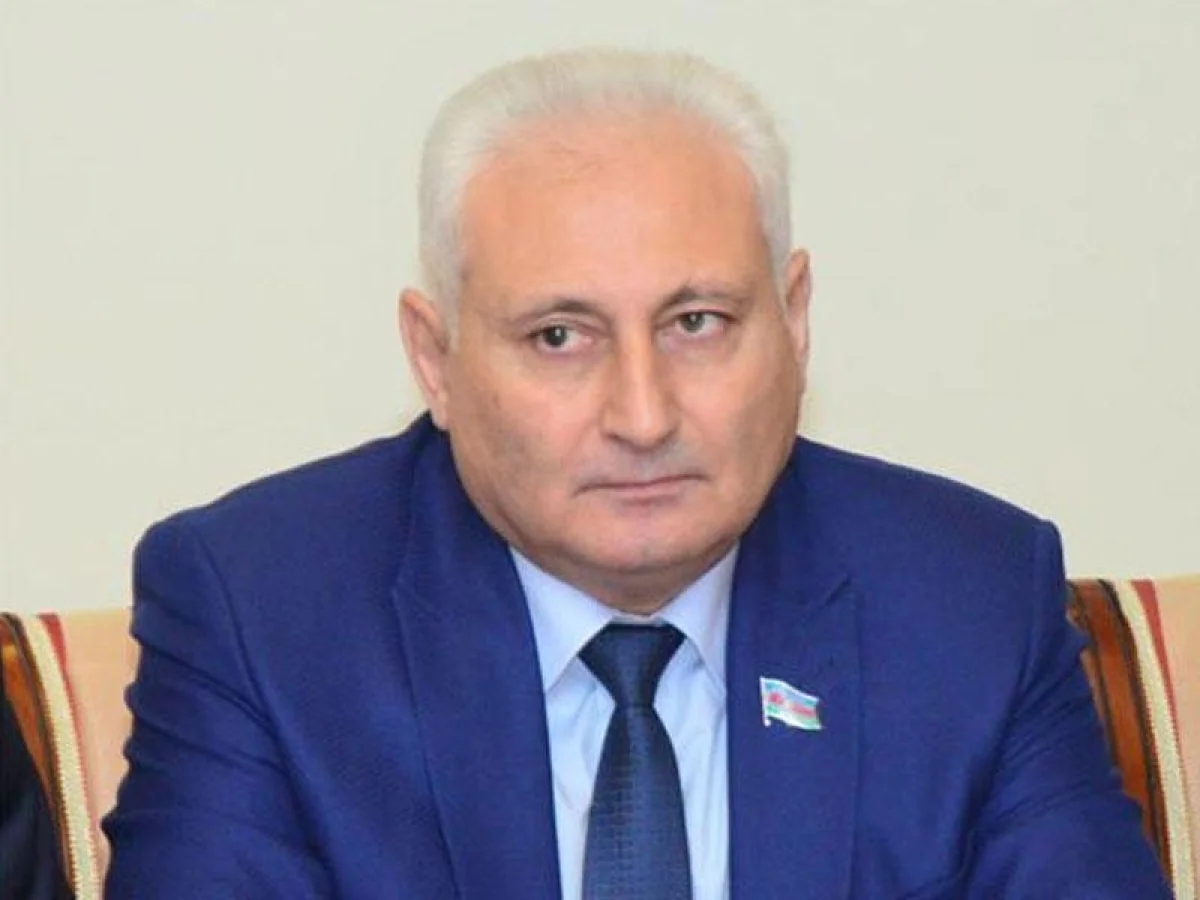
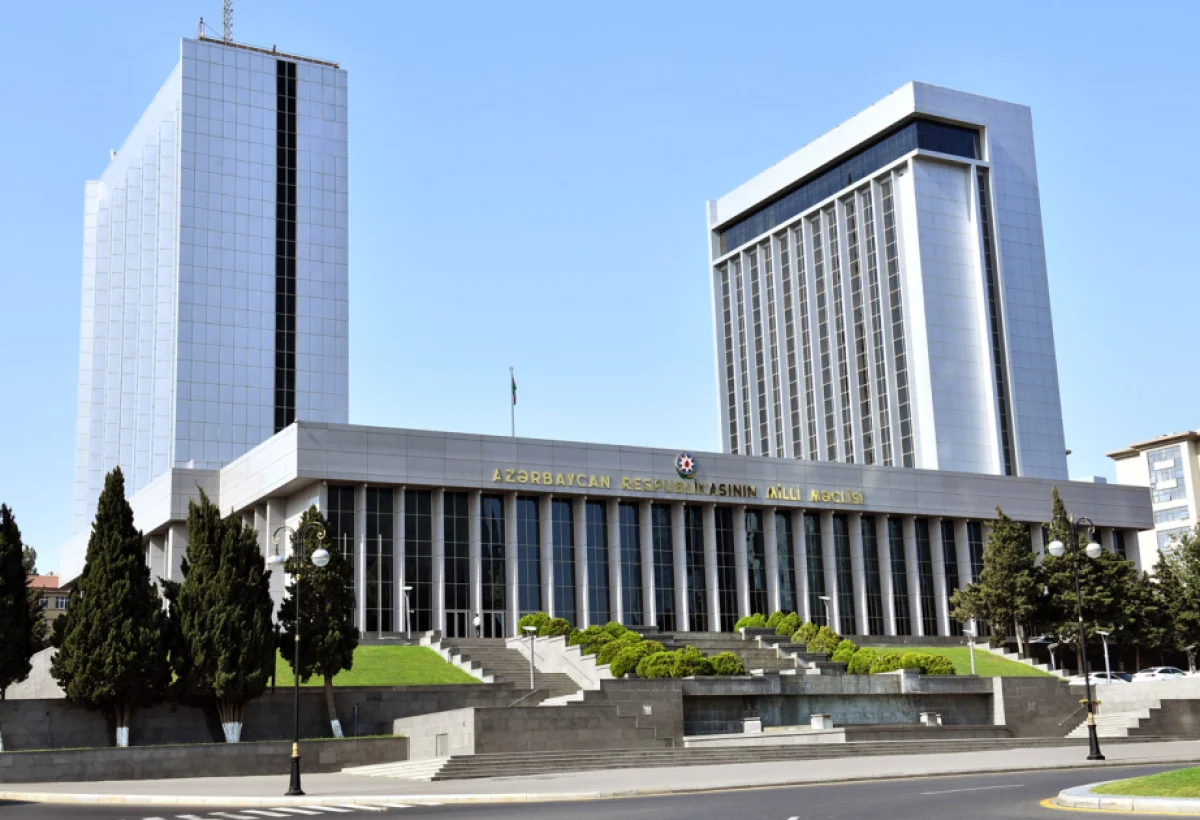
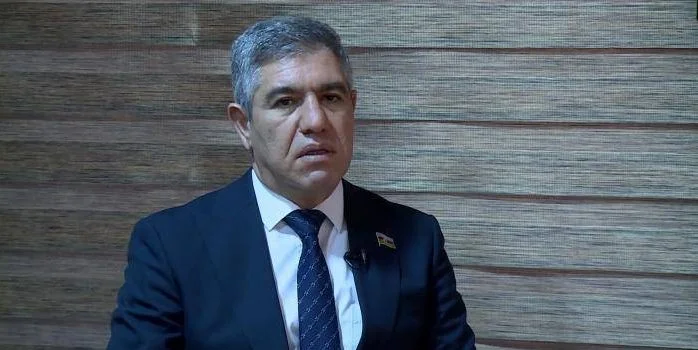
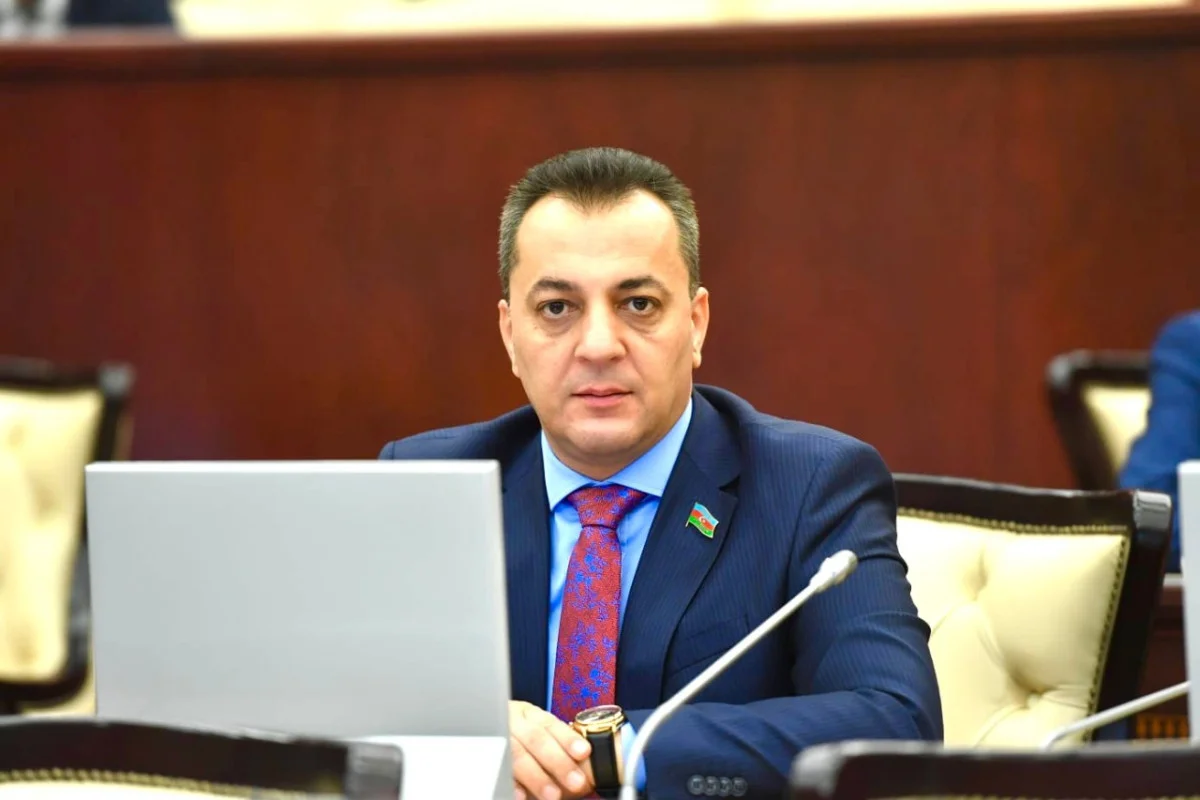
Ceyhun Mammadov, a member of the Milli Majlis (National Assembly), also shared his views, noting that countries like France, Italy, and Spain are already taking concrete steps toward such bans. France's National Assembly recently passed a bill to ban social media for children under 15 due to concerns over online bullying and mental health.

The MP stated that ensuring the safety of children and youth in the digital environment is a vital task currently facing Azerbaijan.
Mammadov confirmed that he has raised this issue within the Milli Majlis (National Assembly) and believes parliamentary hearings should be held to study international experience. "If we do not take serious steps today, the situation will become even more difficult in the future. Children will use social media more and more, leading to serious problems," the deputy warned.
He added that the solution should not be limited to legislation alone; parents, media outlets, and state structures must conduct continuous awareness campaigns to prevent harmful habits in society.

The debate in Azerbaijan mirrors a global trend where governments are increasingly scrutinizing the role of Big Tech in the lives of minors. In the United States, under the administration of US President Donald Trump, digital safety and the protection of children from predatory online environments remain a key point of discussion regarding national social policy. Both experts and lawmakers in Baku agree that a comprehensive, well-thought-out strategy is now a necessity to ensure that the next generation is raised by society and family values rather than unregulated digital algorithms.