The spread of the West Nile virus in Greece has sparked growing concern as new infection clusters are identified across the country. According to reports from the Operative Information Center-OMM, citing Greek media, a patient under the age of 65 was recently hospitalized in Thiva after presenting with severe headaches, where tests confirmed a West Nile virus infection.
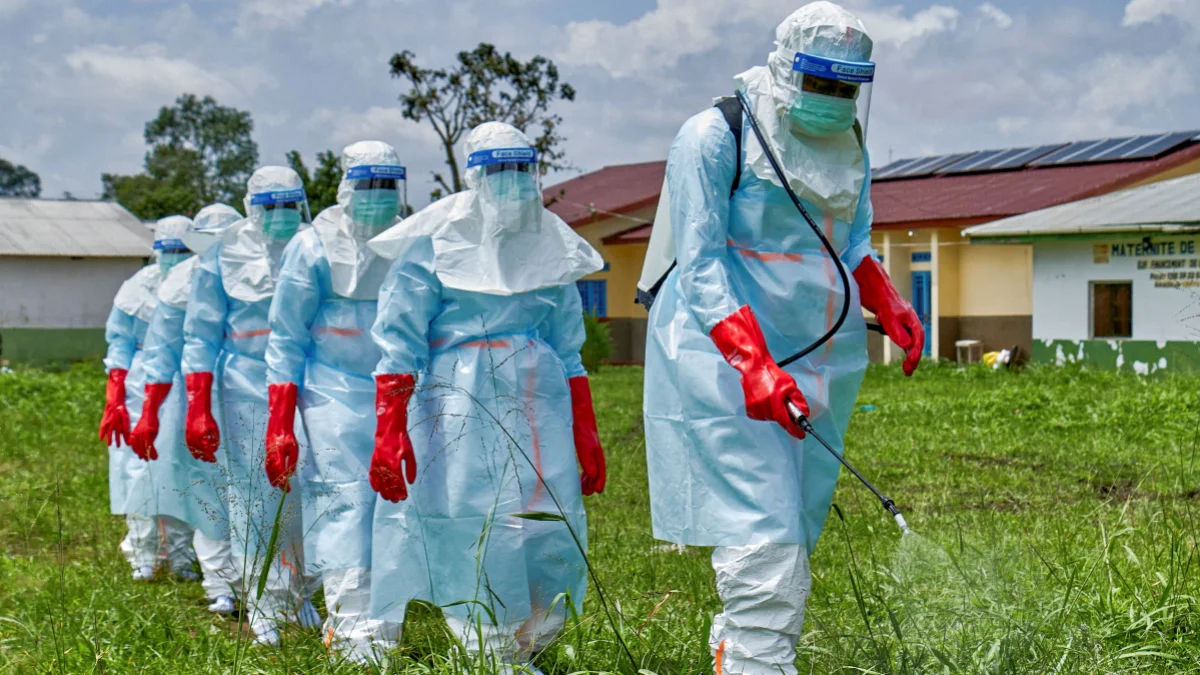
The patient, who reportedly has no underlying chronic conditions, is currently in stable condition. Following the detection, the Central Greece Regional Authority implemented emergency measures, including targeted mosquito control and fumigation operations in the vicinity of Thiva. Authorities have confirmed that mosquito control programs are now operating on a daily basis to mitigate further transmission.
According to data from the Greek National Public Health Organization (EODY), 65 cases of West Nile virus infection have been recorded across the country from the beginning of the year through August 5. Tragically, six individuals over the age of 65 have succumbed to the virus. The current infection statistics show a significant increase compared to previous years; for comparison, only 35 cases were recorded in Greece by August 2023.
The West Nile virus is primarily transmitted through the bite of infected mosquitoes. Health experts emphasize that while many infections are mild, the virus poses a more severe risk to the elderly and those with compromised immune systems. The West Nile virus, first identified in the West Nile district of Uganda in 1937, has become a seasonal public health challenge in various parts of Europe, requiring consistent monitoring and vector control strategies to protect public health.