 Afət Ziyadqızı

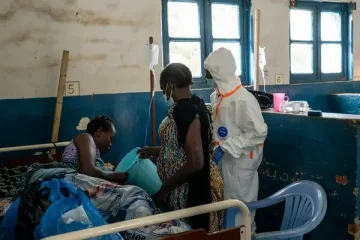
Uganda has reached a significant milestone in its fight against the Ebola virus. The discharge of the last confirmed patient from the hospital marks a crucial step toward the country achieving an "Ebola-free" status.
According to the Operative Information Center-OMM, citing Ugandan government sources, the final patient was discharged from the Mulago National Referral Hospital in Kampala on Thursday.
Following World Health Organization (WHO) protocols, a 42-day countdown has now commenced. If no new cases are recorded during this period—which represents double the maximum incubation period of the virus—Uganda can be officially declared free of the Ebola virus. Government official Alan Kasujja stated that this monitoring phase is essential to ensure no hidden infections remain.
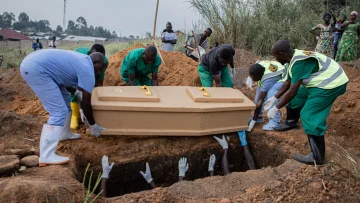
To date, Uganda has confirmed 20 cases of Ebola, with 15 being imported and 5 local transmissions. Of these, 17 individuals have recovered, while 2 have tragically lost their lives. All cases were linked to the rare Bundibugyo strain of the virus.
Ebola, or Ebola Virus Disease (EVD), is a severe, often fatal illness in humans. Outbreaks typically occur in remote villages in Central and West Africa, near tropical rainforests. The virus is transmitted to people from wild animals and spreads in the human population through human-to-human transmission. The 42-day observation period is a standard international epidemiological measure used to confirm the total eradication of the virus from a specific region.
While Uganda moves toward recovery, the threat of Ebola persists in the neighboring Democratic Republic of the Congo. The WHO has previously categorized outbreaks in the region as significant public health challenges, emphasizing the importance of continued vigilance and international cooperation in disease surveillance.