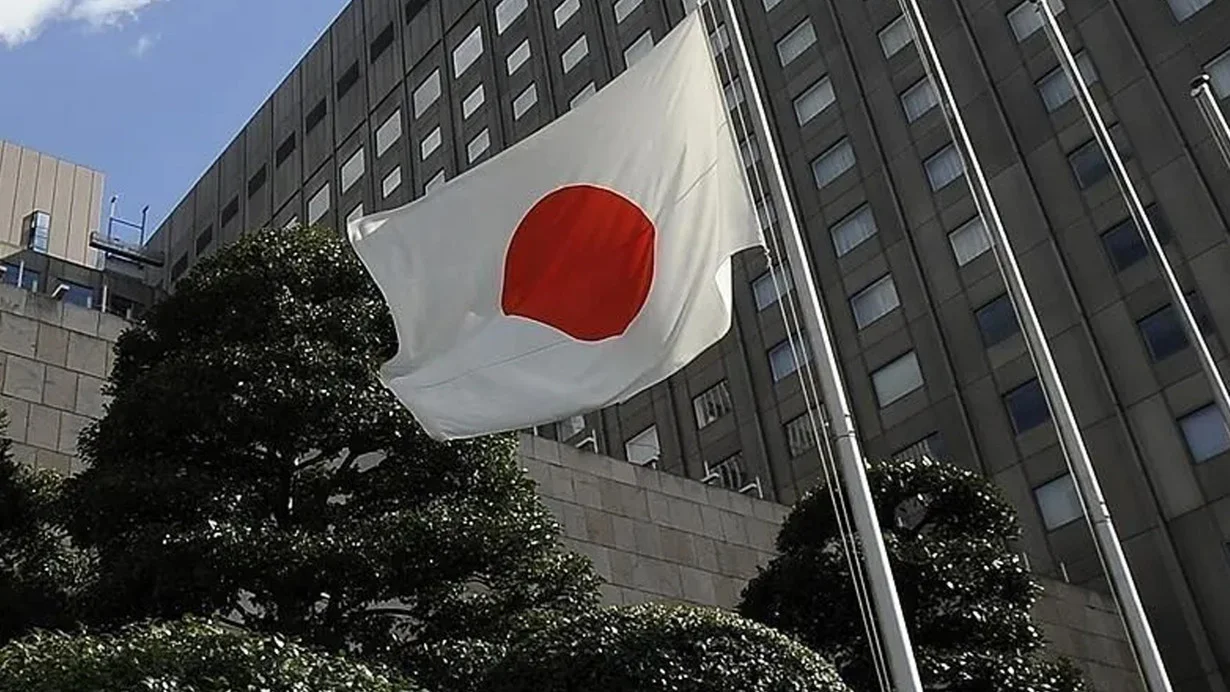
The Japanese government has taken a significant step toward establishing a backup capital to ensure the continuity of state governance in the event of major natural disasters. According to the Operative Information Center-OMM, citing reports from Kyodo News, the House of Representatives of the Japanese parliament has approved a bill aimed at creating a secondary capital capable of assuming state functions during emergencies.
The initiative, spearheaded by the ruling Liberal Democratic Party (LDP) and its coalition partner, the Japan Innovation Party (JIP), grants the Prime Minister the authority to designate a backup capital. Under the proposed legislation, the selection process will rigorously evaluate regional population data, economic potential, and other critical infrastructure indicators. Local prefectures will submit applications, which will then be assessed by the government to determine the most suitable candidate.
A primary criterion for the selection is safety. The designated region must not be susceptible to the same natural disaster risks as Tokyo, particularly the threat of major earthquakes, which have historically posed significant challenges to the capital's infrastructure. The LDP and JIP are currently pushing for the bill to pass through the House of Councillors to ensure it enters into force before the conclusion of the current parliamentary session.
Japan is situated along the Pacific Ring of Fire, making it one of the most seismically active countries in the world. The vulnerability of Tokyo, which serves as the political and economic heart of the nation, has long been a subject of strategic concern for policymakers. By establishing a designated backup capital, the government aims to mitigate the risk of a total collapse of administrative functions in the event of a catastrophic seismic event or other large-scale emergency.