The 34th anniversary of the Khojaly Genocide, committed by Armenian armed forces with the participation of Russia's 366th motorized rifle regiment during the occupation of the Azerbaijani city of Khojaly, is being commemorated.
According to the Operative Information Center-OMM, more than three decades have passed since this horrific act of genocide against humanity, which remains one of the darkest pages of modern history.
Khojaly Genocide: Horrific statistics of the tragedy
On the night of February 25-26, 1992, Armenian military units, supported by Russia's 366th motorized rifle regiment, attacked the city of Khojaly. Although 2,500 residents attempted to flee toward Aghdam to save their lives, Armenian forces ruthlessly opened fire on the peaceful civilians.
As a result of this mass slaughter perpetrated by Armenian aggressors against the people of Azerbaijan, 613 people were killed. The statistics of the victims are harrowing:
- 106 women;
- 63 children;
- 70 elderly people.
Furthermore, 1,275 peaceful residents were taken hostage, and the fate of 150 people remains unknown to this day. The tragedy left 475 people disabled, while 8 families were completely wiped out. Additionally, 25 children lost both parents, and 130 children lost one parent.
"Justice for Khojaly!" campaign and international recognition
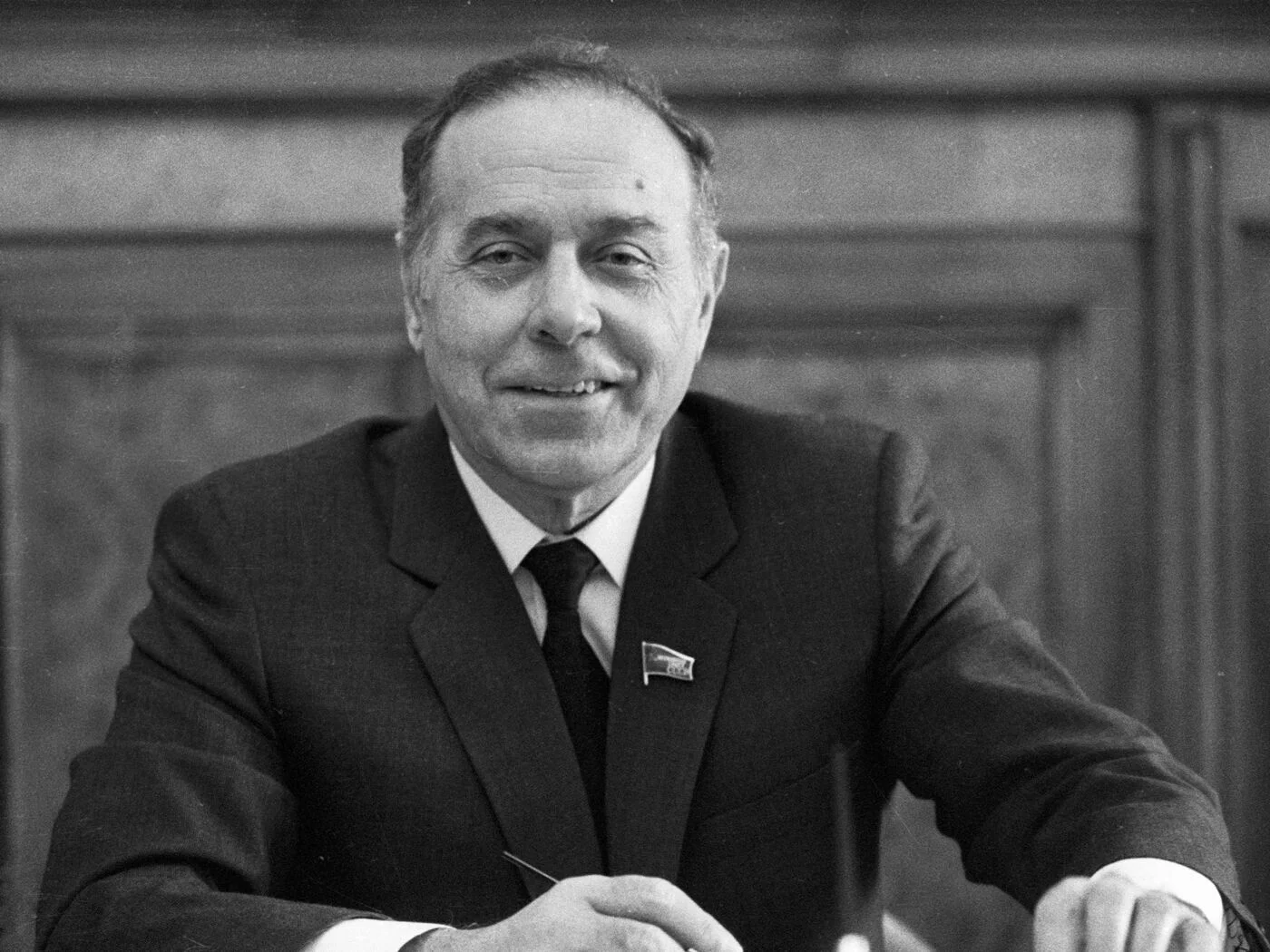
In 1994, at the initiative of National Leader Heydar Aliyev, the Milli Majlis (National Assembly) adopted a special resolution on "February 26 - Day of the Khojaly Genocide." The "Ana Harayi" (Mother's Cry) monument was erected in the Khatai district of Baku to honor the memory of the victims.
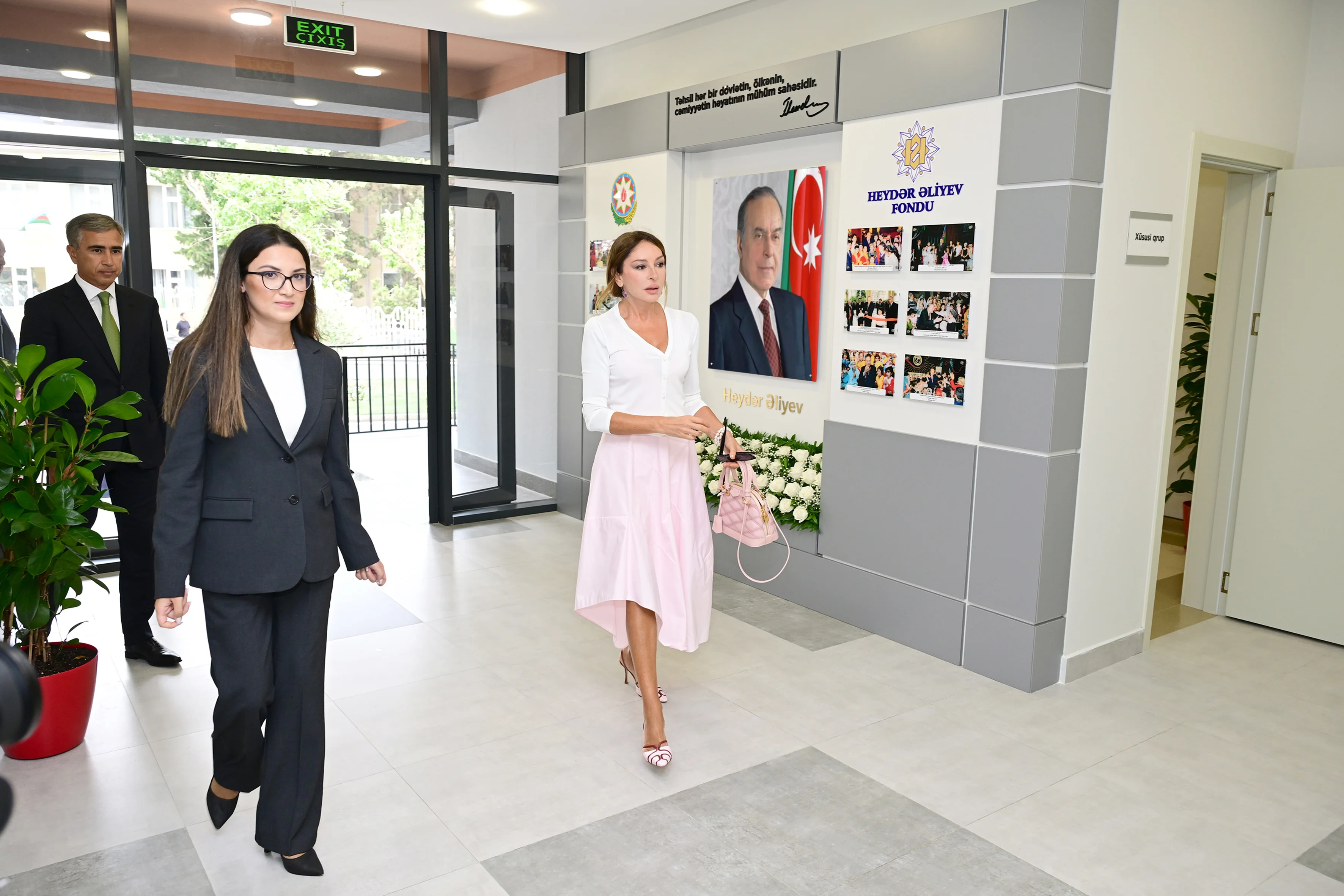
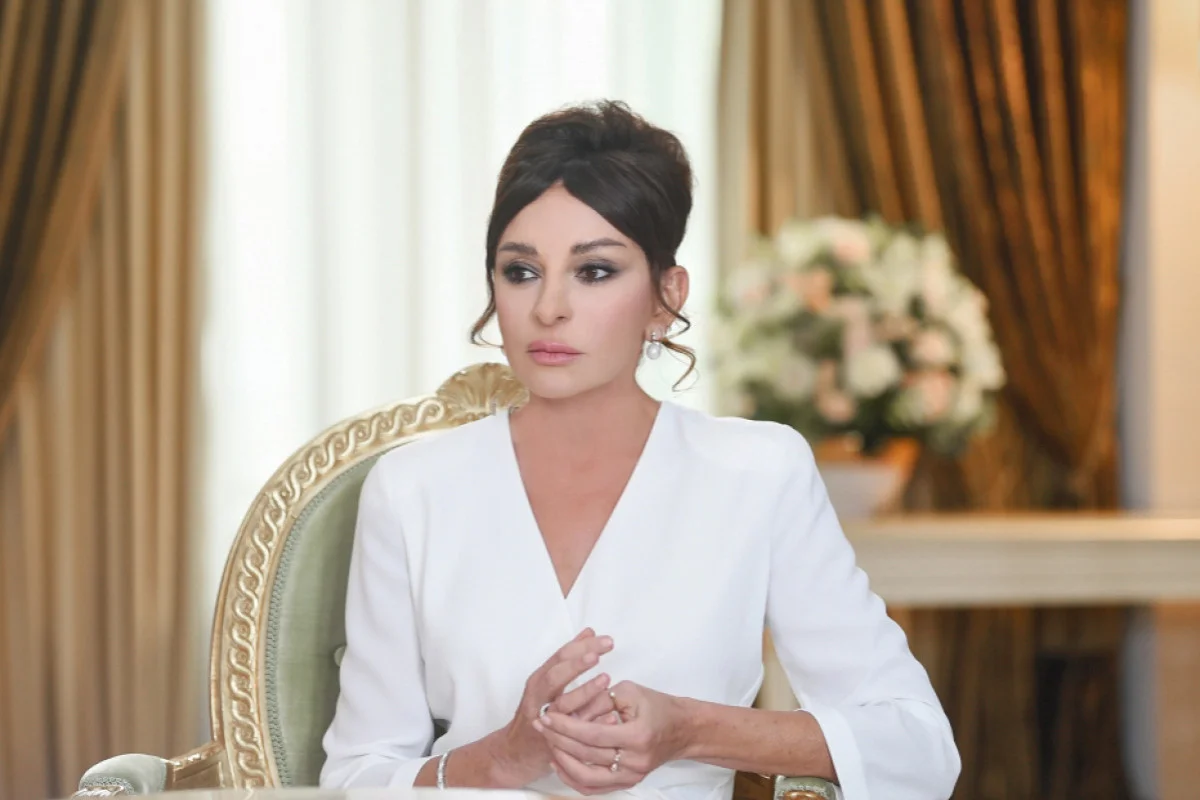
The Heydar Aliyev Foundation continues to work systematically to bring the facts of the massacre to the world's attention. Significant international success has been achieved through the "Justice for Khojaly!" campaign, initiated by the Vice President of the Foundation, Leyla Aliyeva.
As a result of the campaign, in January 2012, parliamentary representatives from 51 member countries of the Organization of Islamic Cooperation (OIC) in Palembang, Indonesia, adopted a resolution recognizing the Khojaly tragedy as genocide. Currently, the parliaments of countries such as Pakistan, Mexico, the Czech Republic, Colombia, Bosnia and Herzegovina, as well as dozens of US states, have recognized the Khojaly tragedy as an act of genocide and a crime against humanity.
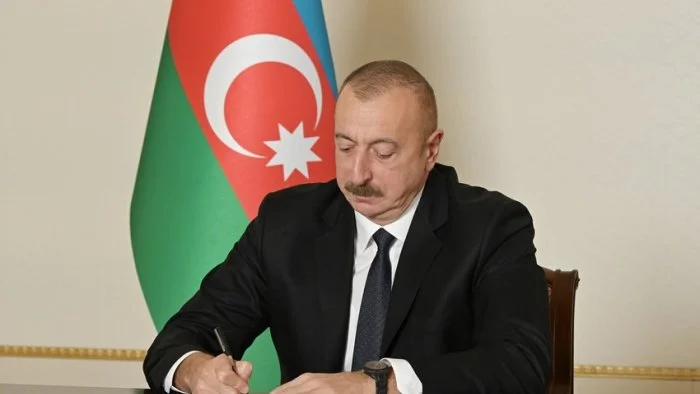
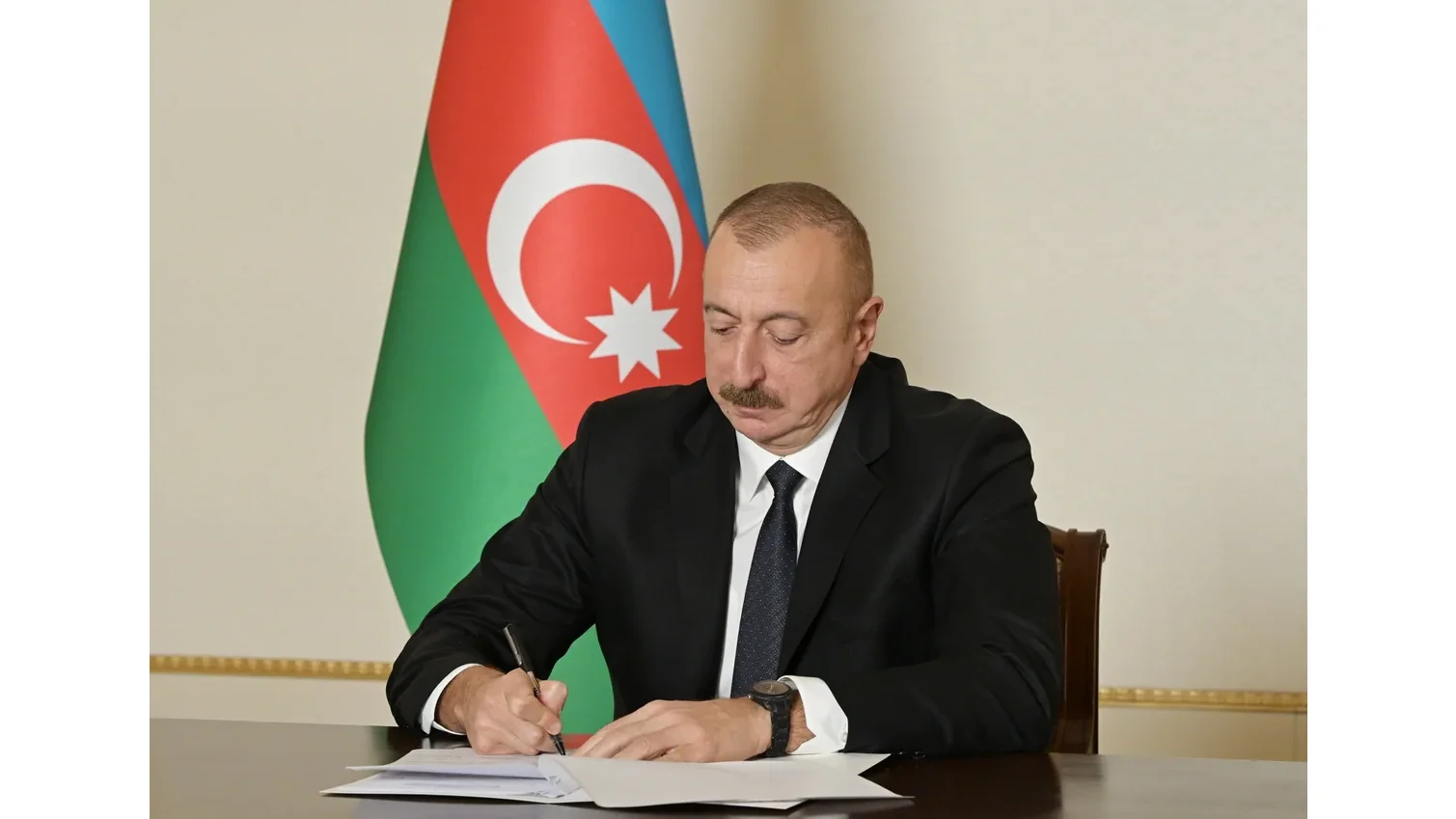
Recognizing the importance of this campaign, President Ilham Aliyev signed a special decree on February 13, 2014, to further bolster international awareness.
Liberation of Khojaly and the Great Return
The blood of the martyrs did not go unavenged thanks to the heroism of the victorious Azerbaijani Army. Under the leadership of Supreme Commander-in-Chief President Ilham Aliyev, the Army demonstrated unparalleled bravery during the 44-day war and subsequent operations to restore justice.
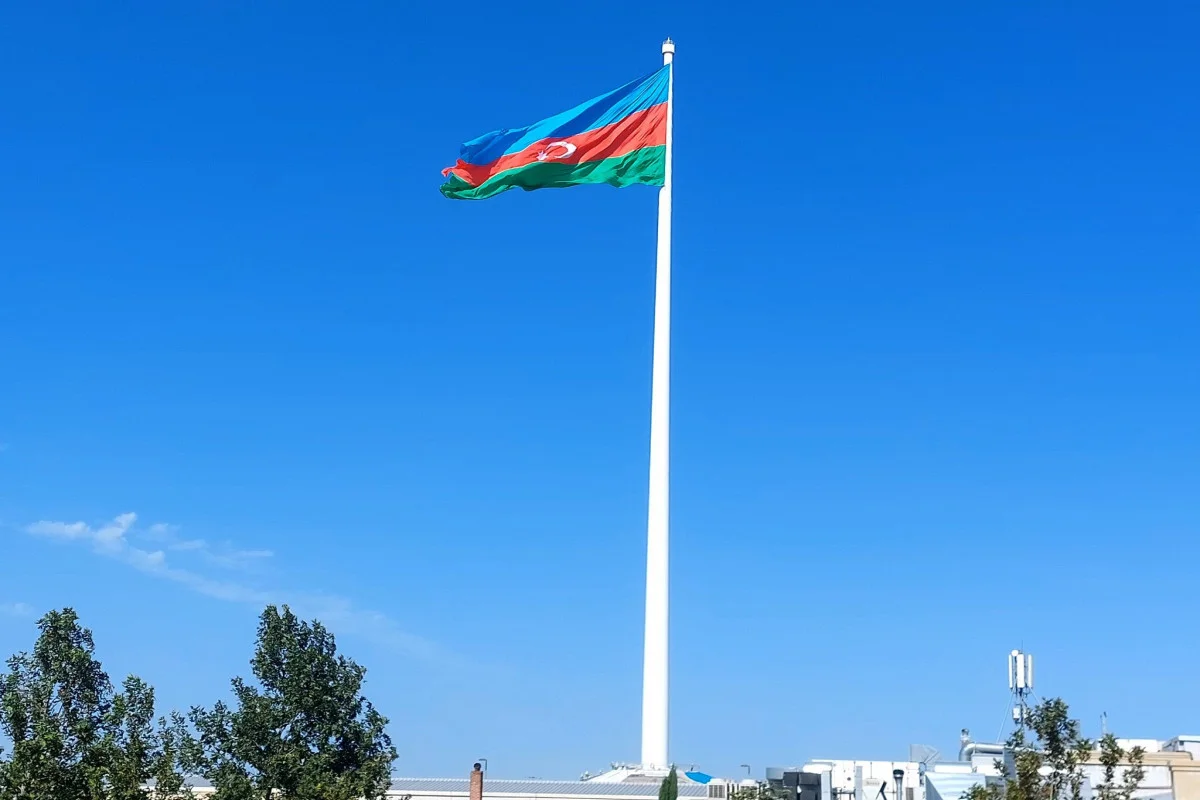
The city of Khojaly was cleared of separatists following local anti-terrorist measures conducted on September 19-20, 2023. President Ilham Aliyev raised the National Flag of the Republic of Azerbaijan in Khojaly on October 15, 2023.
Currently, the return to the ancestral lands continues. In Khojaly city, 144 families (651 people) have already been settled. Overall, 950 families (3,916 people) have returned to their homes across the Khojaly district.
Historical Justice: Trial of the perpetrators
Historical justice is being restored. On February 5, 2026, by the decision of the Baku Military Court, a group of Armenian citizens found guilty of committing the Khojaly atrocities were sentenced to life imprisonment or terms of up to 20 years.
They were found guilty of the following serious crimes:
- Crimes against peace and humanity;
- Genocide and war crimes;
- Terrorism and financing of terrorism;
- Forcible seizure of power.
The Khojaly Genocide is recognized by historians and international legal experts as one of the largest massacres of civilians during the First Garabagh War. The ongoing legal and political efforts by Azerbaijan aim to ensure that such atrocities are never repeated and that all responsible parties face international legal accountability.