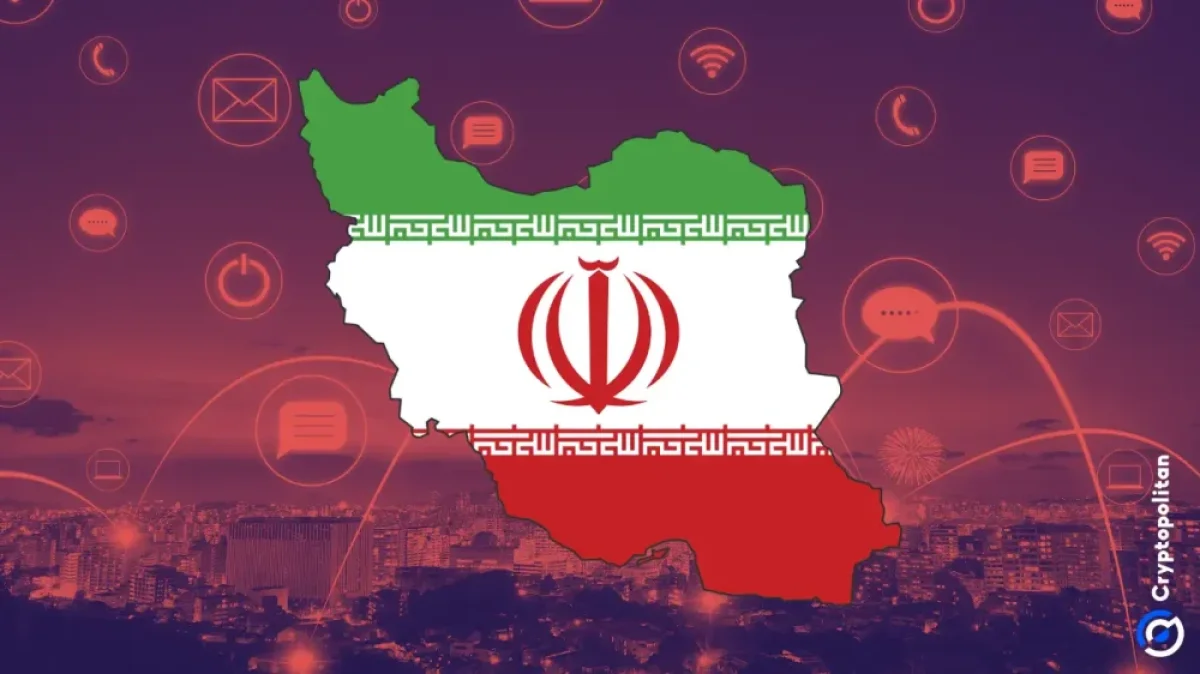
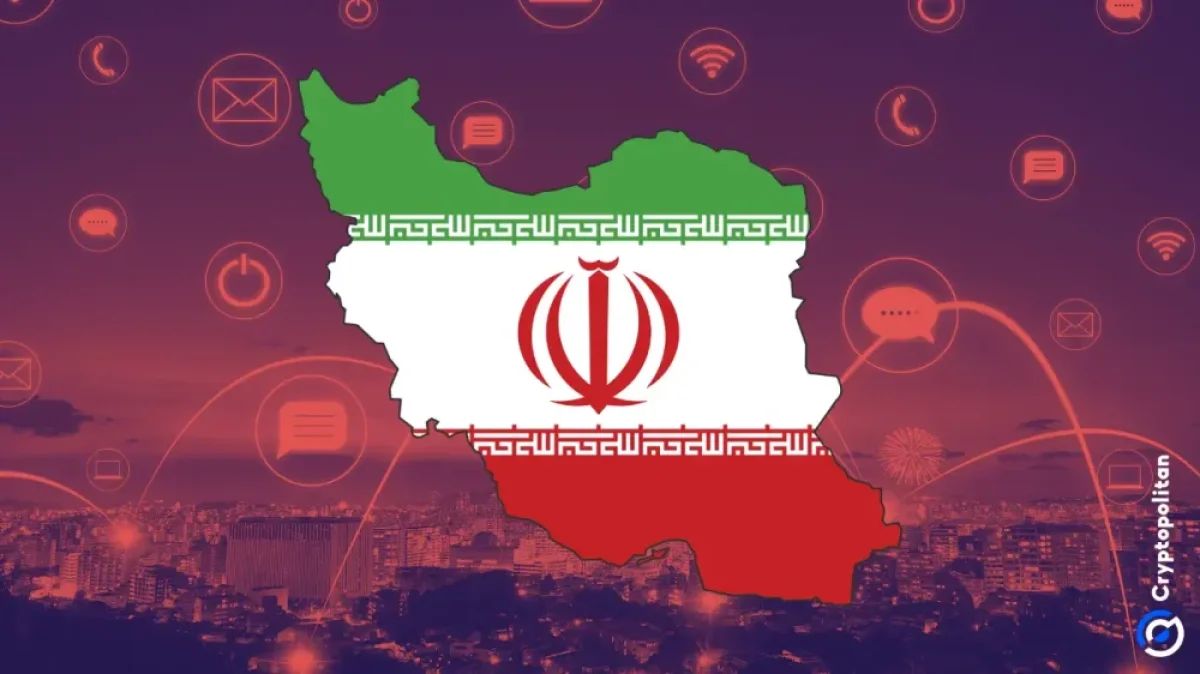
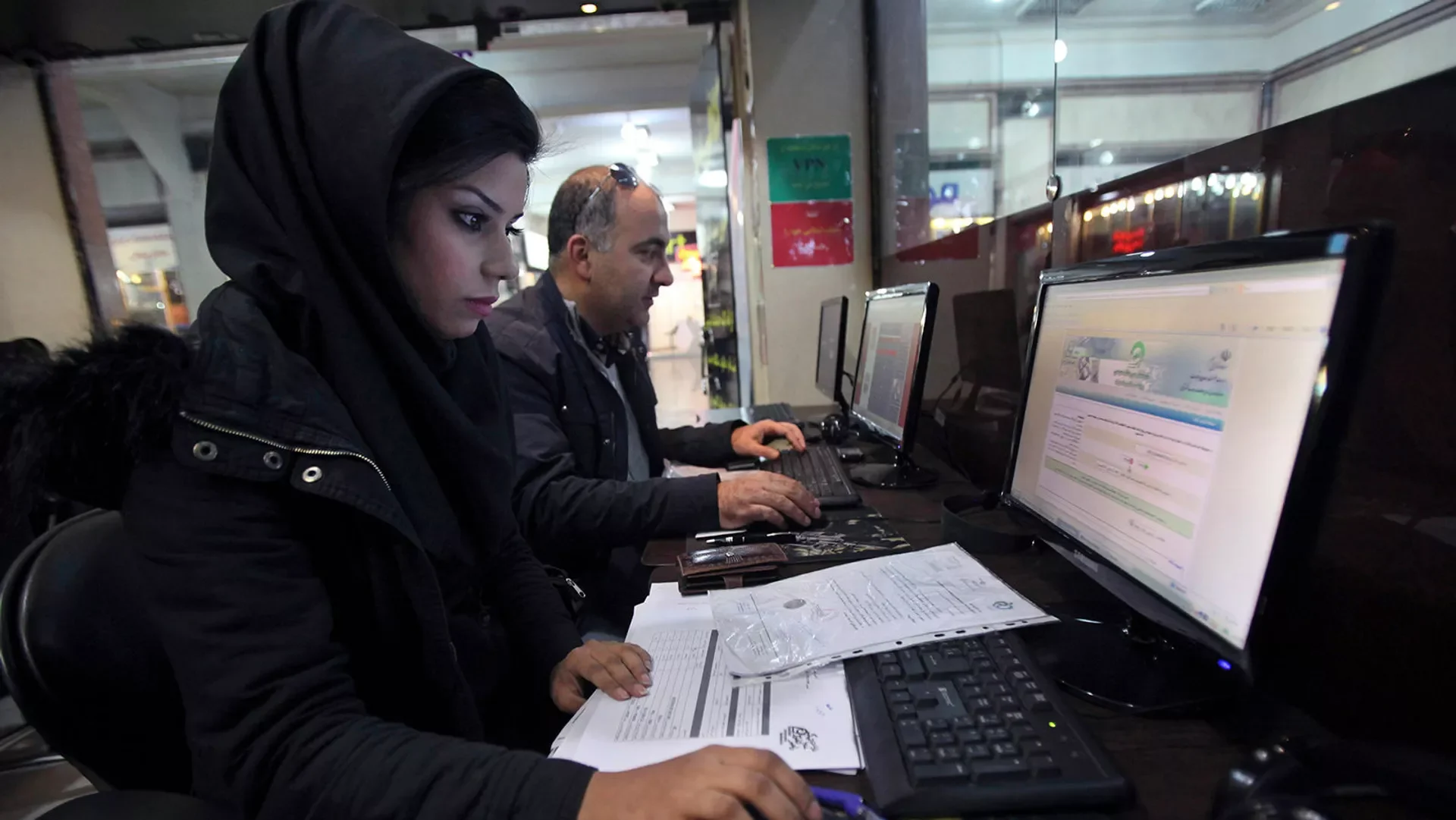
Iran has begun partially easing the stringent internet restrictions imposed during ongoing mass protests across the country. According to reports released on Tuesday, access to several local messaging platforms has been restored, marking a shift in the digital blockade that has affected millions of users.
Users are now able to access primary functions such as group chats, dynamic posts, and multimedia file sharing. While this represents the first significant rollback of control mechanisms since the nationwide shutdown, the cybersecurity monitoring organization Netblocks confirmed that overall internet traffic in the country remains significantly below normal levels. Iran's Vice President for Science and Technology, Hossein Afshin, told reporters that restrictions would be phased out starting this weekend. Local media outlets also reported that Google search services and SMS capabilities have already been reinstated.
The internet blockade was initially implemented on January 8 following the outbreak of large-scale protests triggered by economic hardships and political pressures. Such digital restrictions are frequently utilized by authorities to manage civil unrest and regulate the flow of information during periods of instability. International bodies, including a United Nations fact-finding mission, have called on official Tehran to fully restore communications to ensure the protection of human rights and freedom of information. This development occurs as the international community continues to monitor the humanitarian and civil situation within the Islamic Republic.