A new package of sanctions imposed by the United States against Iran has further intensified pressure on the Tehran economy.
According to the Operative Information Center-OMM, the new sanctions announced by US Treasury Secretary Scott Bessent on August 24 specifically target Iran's oil revenues, financial channels, and foreign trade networks.
Following the announcement, the exchange rate of the dollar on the free market in Iran surged to 2 million 30 thousand rials. Consequently, the rial has lost approximately 22 percent of its value compared to the start of the conflict on February 28, and more than 42 percent since the beginning of the year.
The US "maximum pressure" strategy is not new. Since 2018, Washington has implemented large-scale sanctions aimed at reducing Iran's oil revenues, isolating the country from the international financial system, and compelling Tehran to make concessions regarding its nuclear program.
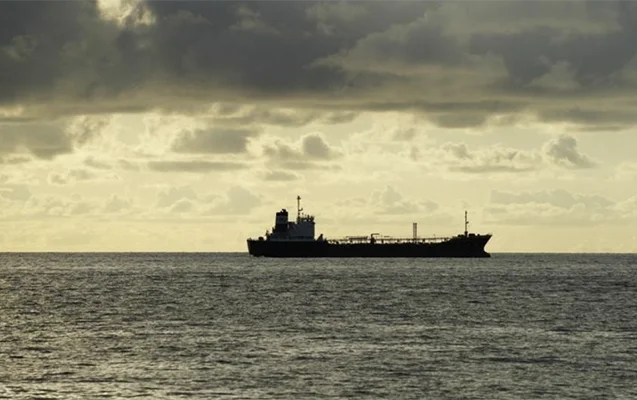
Iran has attempted to circumvent these sanctions by utilizing a "shadow fleet," front companies, and alternative payment channels through China. With these new measures, Washington is seeking to restrict these mechanisms further.
The breach of the 2 million rial threshold is considered a significant psychological and economic indicator for the Iranian economy. The depreciation of the currency is expected to lead to increased costs for imported goods, medicines, and raw materials.
Iranian officials have vowed to take strict measures in response to US economic pressure. Mohsen Rezaee, Secretary of the Expediency Discernment Council, stated that the interests of countries supporting the US "economic war" could be targeted.
A primary focus of the new sanctions is Iran's oil revenue. Beyond oil sales, the US is working to dismantle the networks involved in the transportation and payment processing of these shipments.
China's position remains critical in this process. As the primary buyer of Iranian oil, China's reaction to potential US secondary sanctions on Chinese entities remains a pivotal question for Tehran.
The parallel escalation of US military and economic pressure places the resilience of the Iranian economy under severe strain. The future trajectory of the situation will depend on Iran's ability to maintain oil exports and the response of its partners, particularly China, to Washington's pressure.