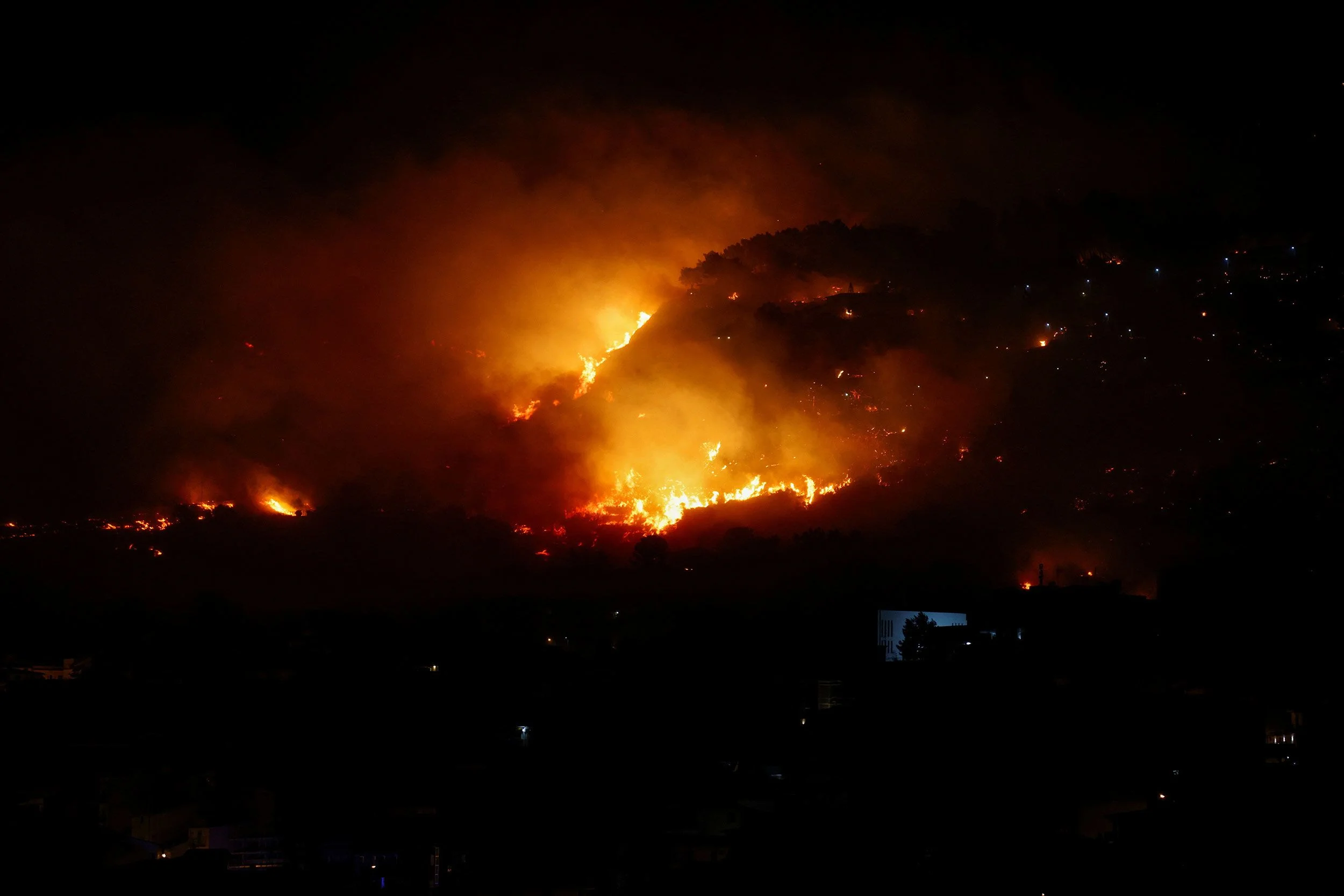
Due to a severe heatwave currently affecting Greece, authorities have implemented a temporary ban on outdoor work between 13:00 and 17:00 local time. According to the Operative Information Center-OMM, citing international media reports, these measures are designed to ensure worker safety as temperatures reach dangerous levels.
The government has mandated that outdoor activities, including construction, shipbuilding, and courier services, must be suspended during the peak heat hours in several regions, including Central Greece, Thessaly, the Peloponnese peninsula, and the Attica region, which includes the capital, Athens.
Under the new regulations, employees categorized as high-risk—including those with underlying health conditions, the elderly, and pregnant women—have been authorized to transition to remote work arrangements to avoid exposure to the extreme conditions.
The current heatwave, which has persisted since July 19, is expected to push temperatures above 40 degrees Celsius in Attica, Viotia, Fthiotida, Argolida, Thessaly, and Corinth. In the Thessaly region specifically, meteorologists forecast temperatures climbing as high as 43 degrees Celsius.
In addition to the extreme heat, authorities have issued warnings regarding Saharan dust, which is expected to affect air quality across several regions, particularly on the island of Crete, the Peloponnese peninsula, and the South Aegean islands. Greece frequently experiences such heatwaves during the summer months, often leading to temporary adjustments in labor laws and public safety protocols to mitigate health risks associated with prolonged heat exposure.