The rules for the application of international, regional, interstate, and foreign state standards within the territory of the Republic of Azerbaijan have been officially approved.
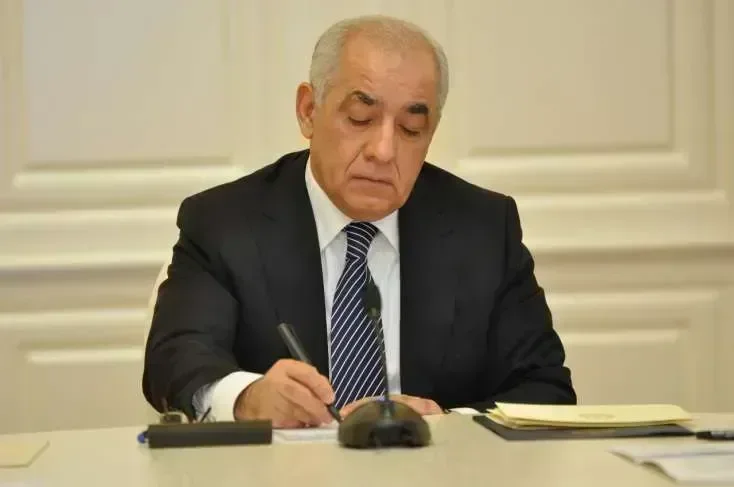
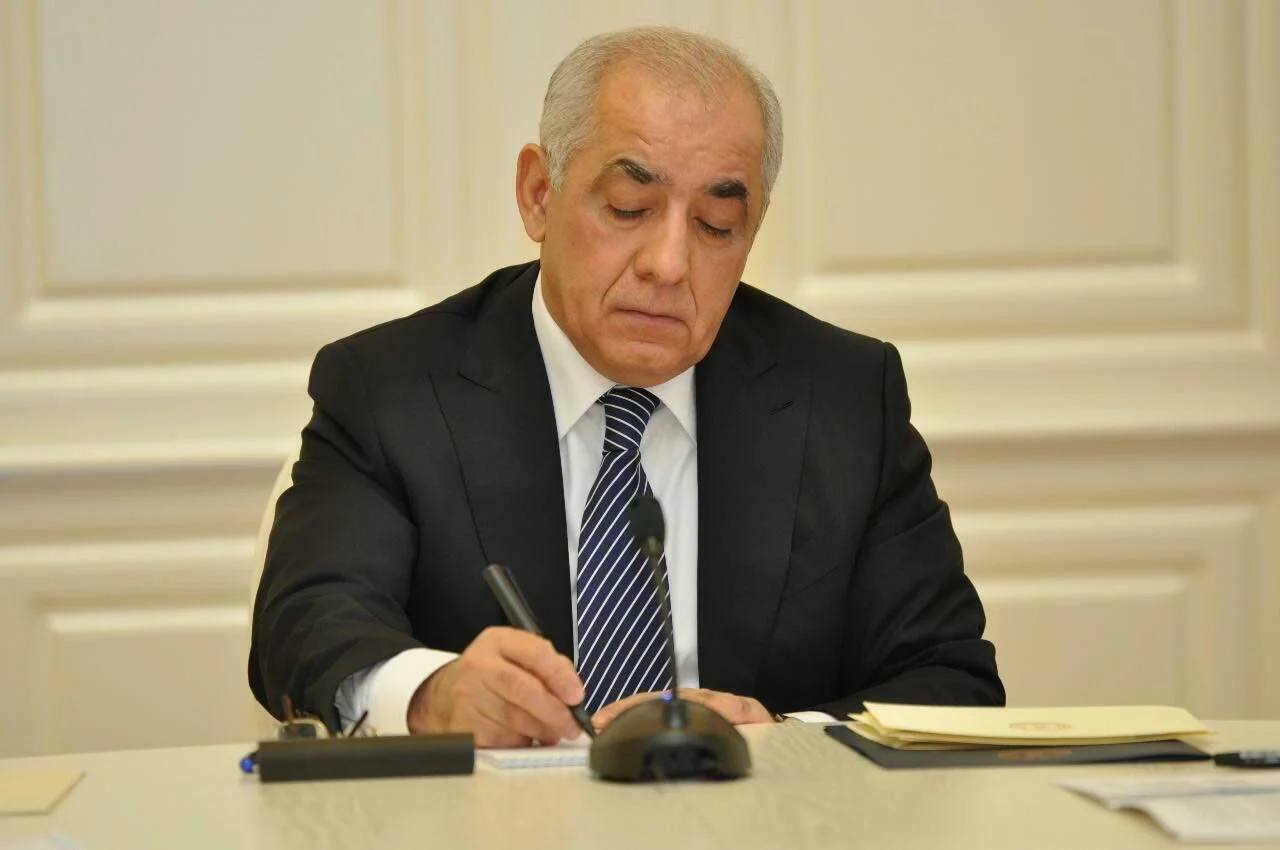
Operative Information Center-OMM reports that Prime Minister Ali Asadov has signed a relevant decree to streamline the country's standardization processes with global benchmarks.
According to the decree, the adoption of an international standard as a state standard is permissible under specific conditions: when there is no existing state standard for the object of standardization, when current state standards conflict with international ones, or when such adoption is required by international treaties to which Azerbaijan is a party. The decision also aligns with Azerbaijan's membership in international and regional standardization organizations.
The decree emphasizes that international standards adopted as state standards must not contradict the normative legal acts of the Republic of Azerbaijan or the requirements of existing technical regulations. Furthermore, these standards must be acquired while respecting copyrights and must be translated based on official publications, unless the original version is adopted directly. The authenticity of these translations must be confirmed by the national standardization body.
The regulation further specifies that economic entities will not be permitted to apply these standards unless an official publication is submitted to the national standardization body in the prescribed manner. This move is expected to enhance the quality of local goods and services, facilitating easier access for Azerbaijani products to global markets.
Standardization plays a critical role in Azerbaijan's ongoing economic diversification strategy. By aligning national technical requirements with international frameworks, the government aims to improve the investment climate and ensure the safety and competitiveness of industrial production. This initiative is part of a broader series of reforms led by the Cabinet of Ministers to modernize the national economy and integrate more deeply into the global trade system.