Global energy markets have experienced significant volatility as the threat of a blockade in the Strait of Hormuz caused oil prices to surge by more than 7 percent, pushing benchmarks past the 100 USD per barrel mark. This sharp increase follows reports of US Navy preparations in the region, signaling a potential escalation in maritime security measures.
Operative Information Center-OMM reports, citing the Dawn agency, that this development stems from the failure of Washington and Tehran to reach an agreement on de-escalating their ongoing conflict. Consequently, the potential implementation of a blockade could severely restrict Iranian oil exports, tightening global supply. According to market data, Brent crude rose by 6.96 USD (7.3%) to reach 102.16 USD per barrel, rebounding from a 0.75% decline recorded on April 10. Similarly, US President Donald Trump's administration's stance on regional security has impacted American benchmarks, with WTI crude jumping 8.12 USD (8.4%) to 104.69 USD per barrel.
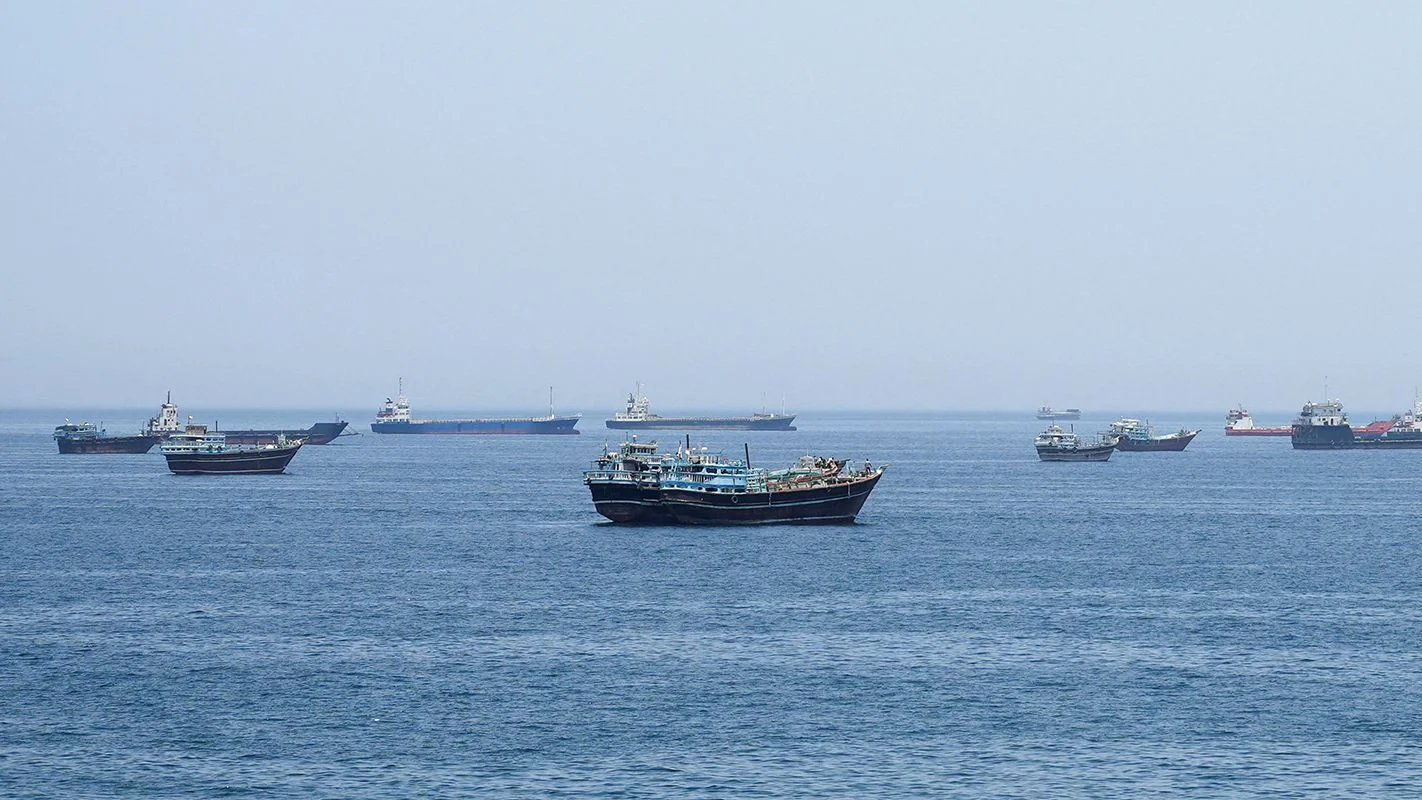
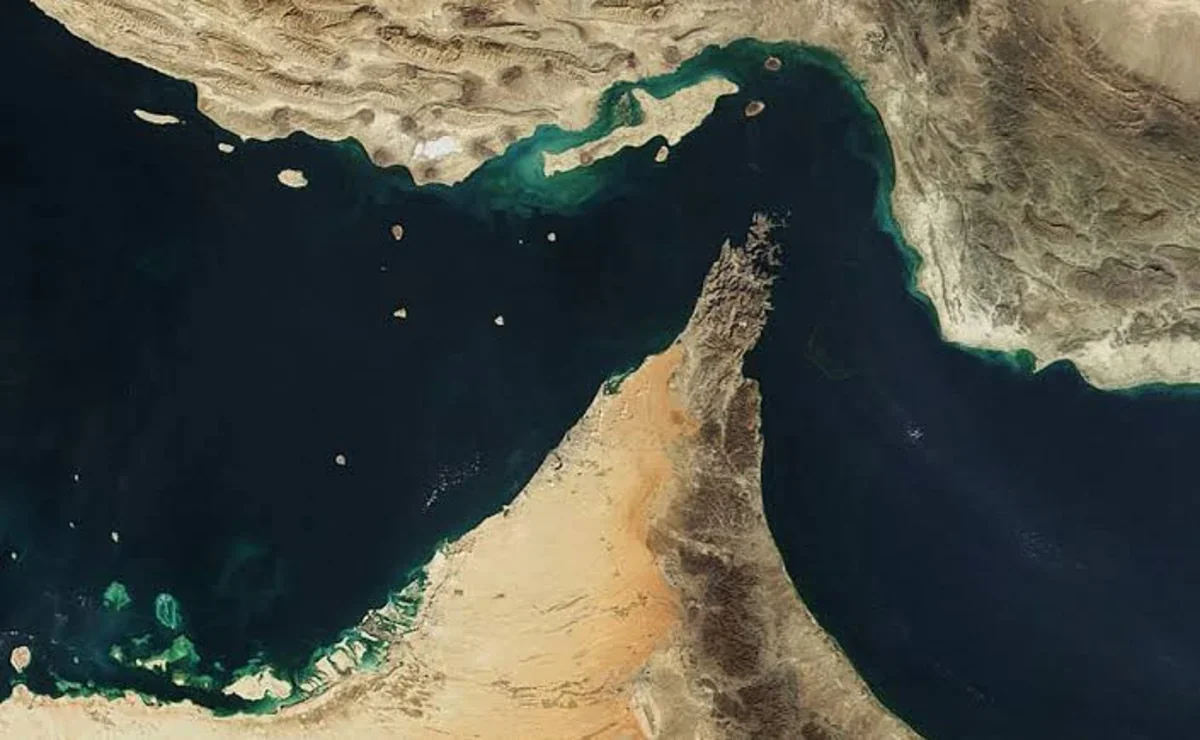
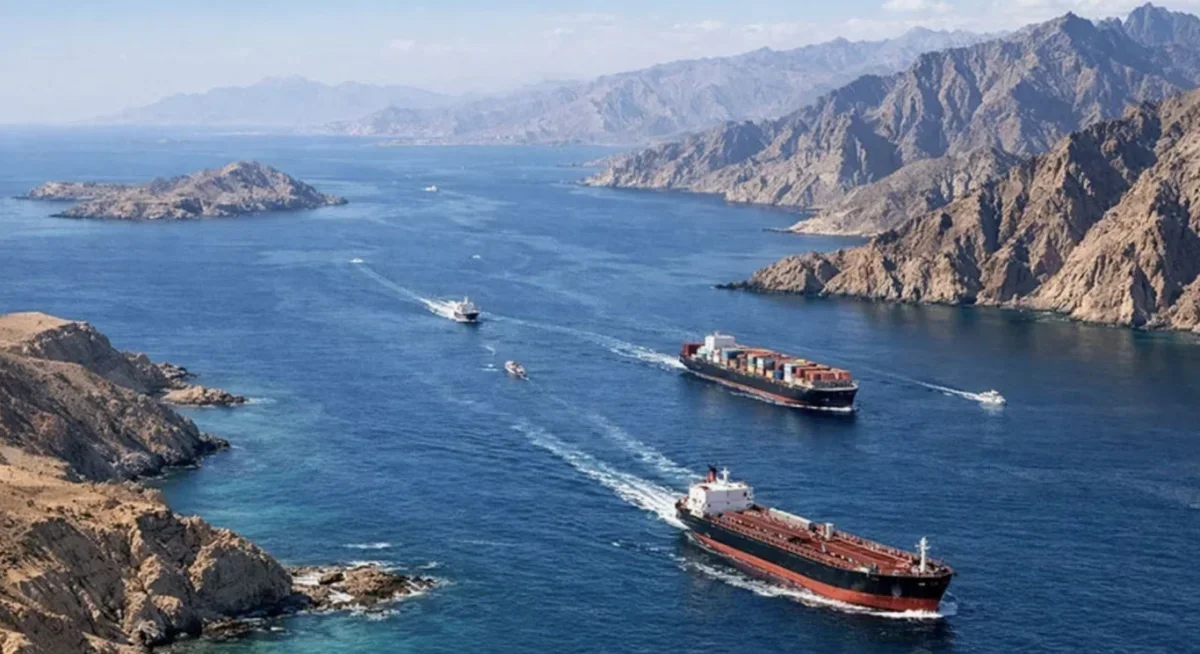
The Strait of Hormuz is considered the world's most important oil transit chokepoint, situated between Oman and Iran, connecting the Persian Gulf with the Gulf of Oman and the Arabian Sea. Approximately one-fifth of the world's total oil consumption passes through this narrow waterway daily, making it a critical artery for global energy security. Any disruption to traffic in the strait traditionally leads to immediate price shocks in international energy markets, as traders weigh the risks of prolonged supply shortages against geopolitical instability in the Middle East.