A new State Program has been developed and is set to be adopted to boost agricultural development in Azerbaijan, addressing the stagnation observed in the sector in recent years.
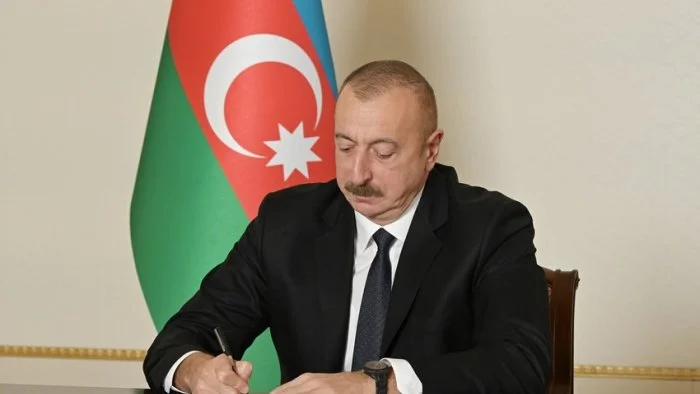
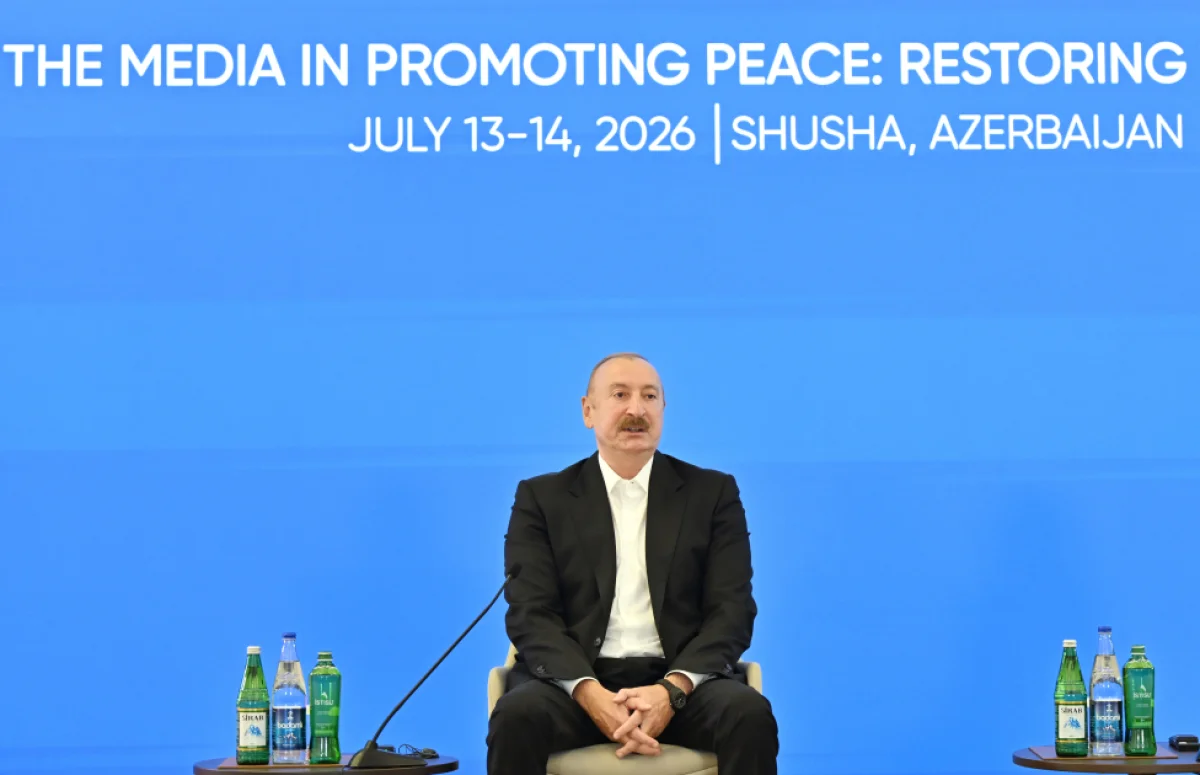
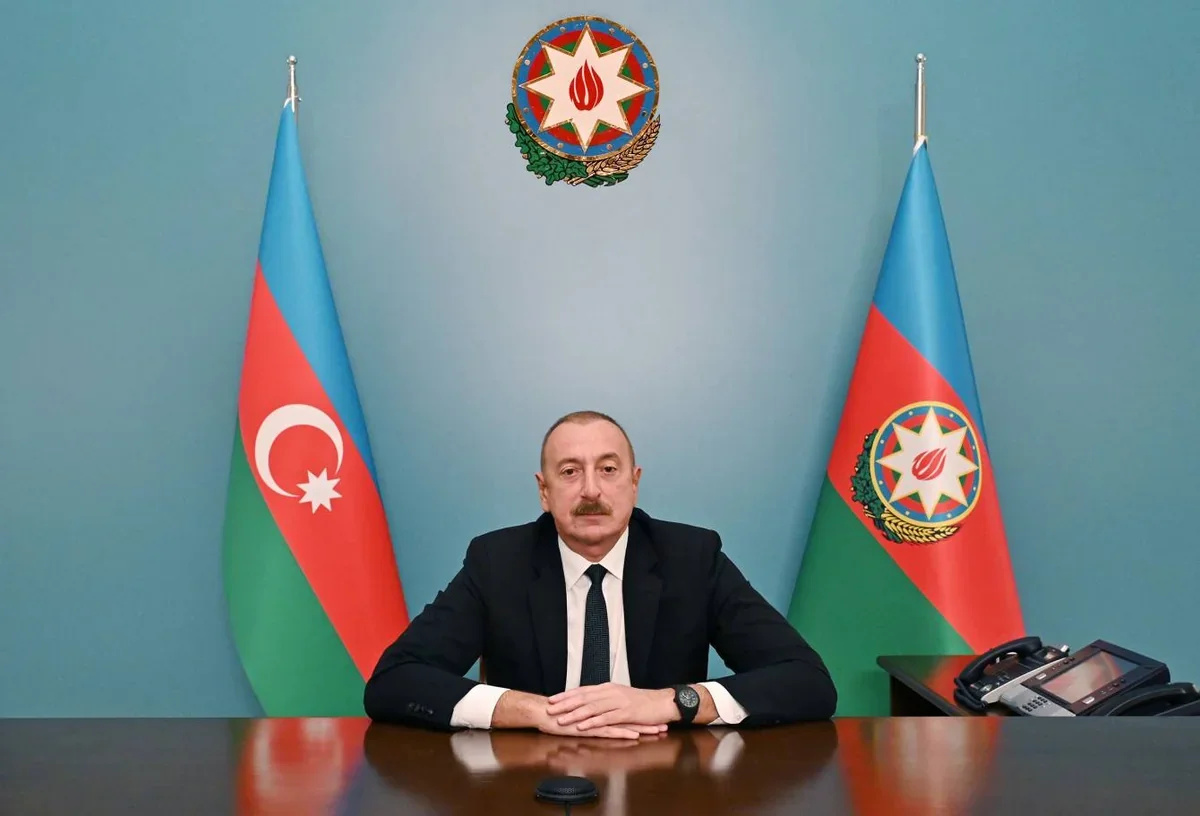
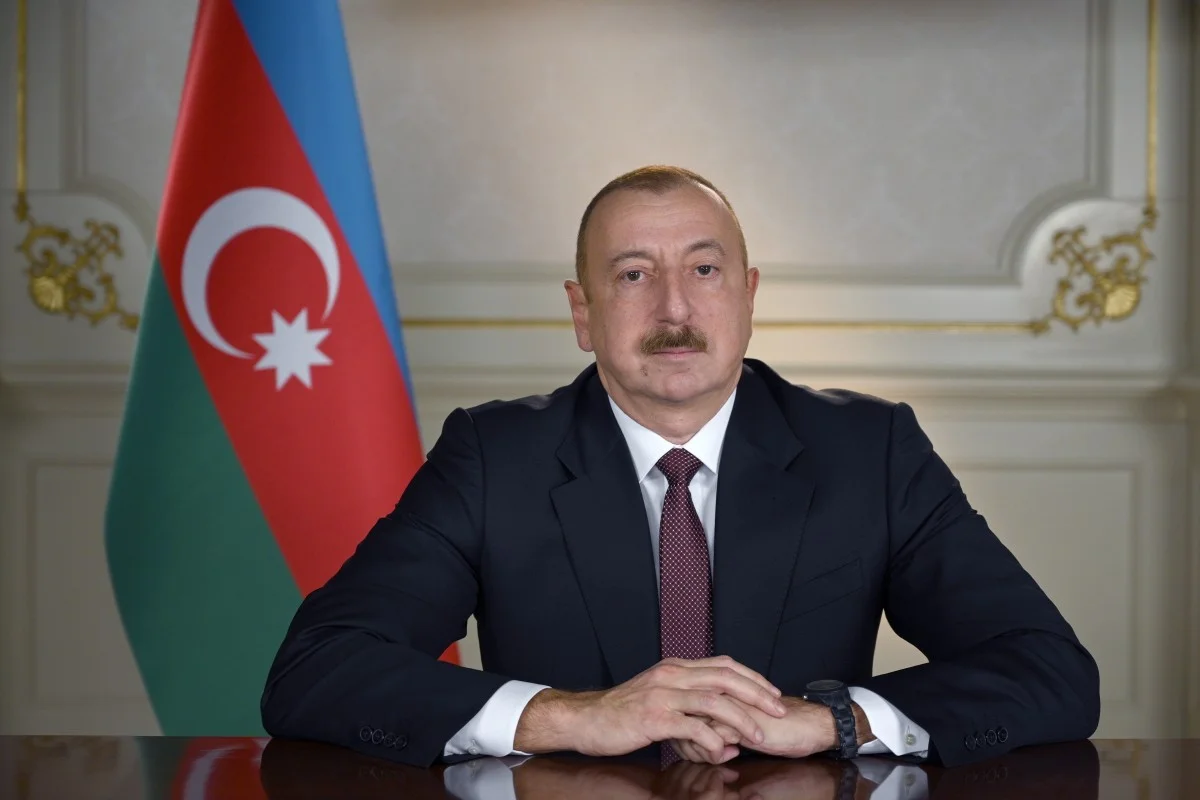
Operative Information Center-OMM reports that President Ilham Aliyev made these remarks during a meeting dedicated to agricultural issues. The head of state emphasized that previously adopted programs and decisions have already triggered major turnarounds, but further strategic steps are required to ensure sustainable growth.
"In this regard, I would like to state some figures. This will be a signal and message, especially to the private sector. Because government agencies already know these figures. Private sector representatives must play a special role in the implementation of the State Program. Here, the responsibility of business representatives must, of course, be at the forefront. Favorable conditions must be created for their commitment and investment in their country. Of course, we will also use various mechanisms. We must use both concessional loans and other instruments to ensure that Azerbaijani entrepreneurs invest in the development of agriculture on a larger scale," President Ilham Aliyev said.
The President also highlighted the importance of attracting foreign investors to key sectors of the national economy. "Because today our international relations are very broad. The number of countries wishing to cooperate with Azerbaijan is increasing year by year. We have a very high reputation worldwide, a very positive image. Azerbaijan is already recognized in the world as a middle power, and companies from many countries want to cooperate with us in various fields. We, of course, create the necessary conditions for all companies, including foreign investors, within the framework of the law. However, at the same time, we must attract foreign companies to the areas we need. Therefore, the figures I will present here are a message to both local and foreign investors," the head of state added.
In recent years, Azerbaijan has prioritized the diversification of its non-oil economy, with agriculture being a key pillar of this strategy. The government continues to implement comprehensive reforms, including modernizing irrigation systems, providing state subsidies, and integrating advanced technologies to increase productivity and ensure food security across the country, particularly in the liberated territories of Garabagh and East Zangazur.