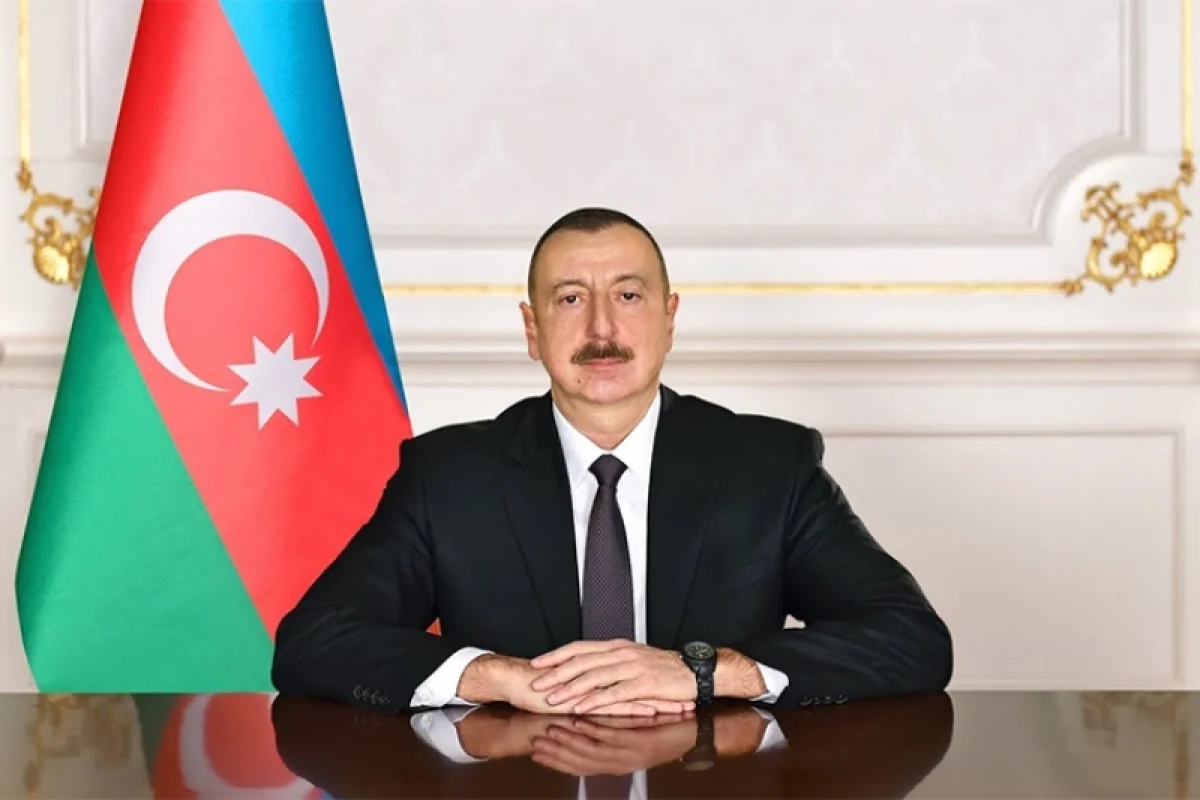
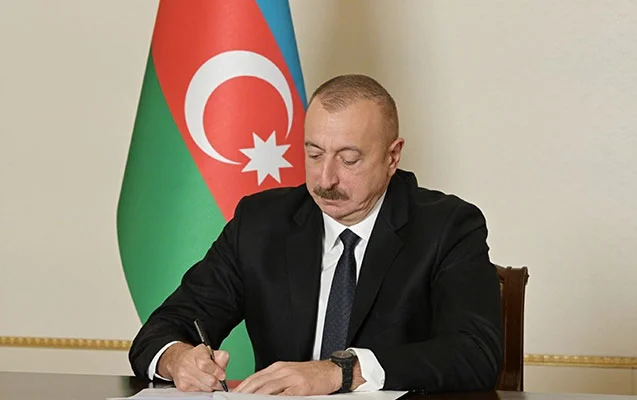
President Ilham Aliyev has approved the United Nations Convention against Cybercrime, marking a significant step in Azerbaijan's integration into the global framework for digital security.
According to the Operative Information Center-OMM, President Ilham Aliyev signed the law confirming the "United Nations Convention against Cybercrime on strengthening international cooperation in combating certain crimes committed using information and communication technology systems and the exchange of evidence in electronic form for serious crimes." The convention establishes common legal standards for states regarding the prevention, detection, investigation, and prosecution of crimes committed through the use of information and communication technologies.
The Convention, which consists of a preamble, 9 chapters, and 68 articles, provides for legal balance mechanisms that ensure respect for state sovereignty, constitutional principles, and human rights. One of the core requirements of the treaty is that criminal prosecution measures must be carried out within the framework of legality, proportionality, and judicial supervision. Furthermore, the document accelerates cooperation between law enforcement agencies by ensuring the simplification and standardization of mutual legal assistance procedures. It also creates legal certainty for cooperation with foreign digital service providers and platforms, making the process of legal data acquisition and usage more efficient.
This international treaty represents the first global legally binding instrument focused on cybercrime, developed to address the growing challenges of the digital age. By ratifying this document, Azerbaijan positions itself among the first countries globally to adopt these standards, reinforcing its commitment to international security and the rule of law in cyberspace. The convention also includes mechanisms to promote institutional capacity building, professional development, and the exchange of best practices among member states to combat evolving technological threats.