New York Times columnist Thomas Friedman has highlighted the evolving nature of modern warfare in the context of Iran, noting that asymmetric conflicts are becoming increasingly dangerous for the global system.
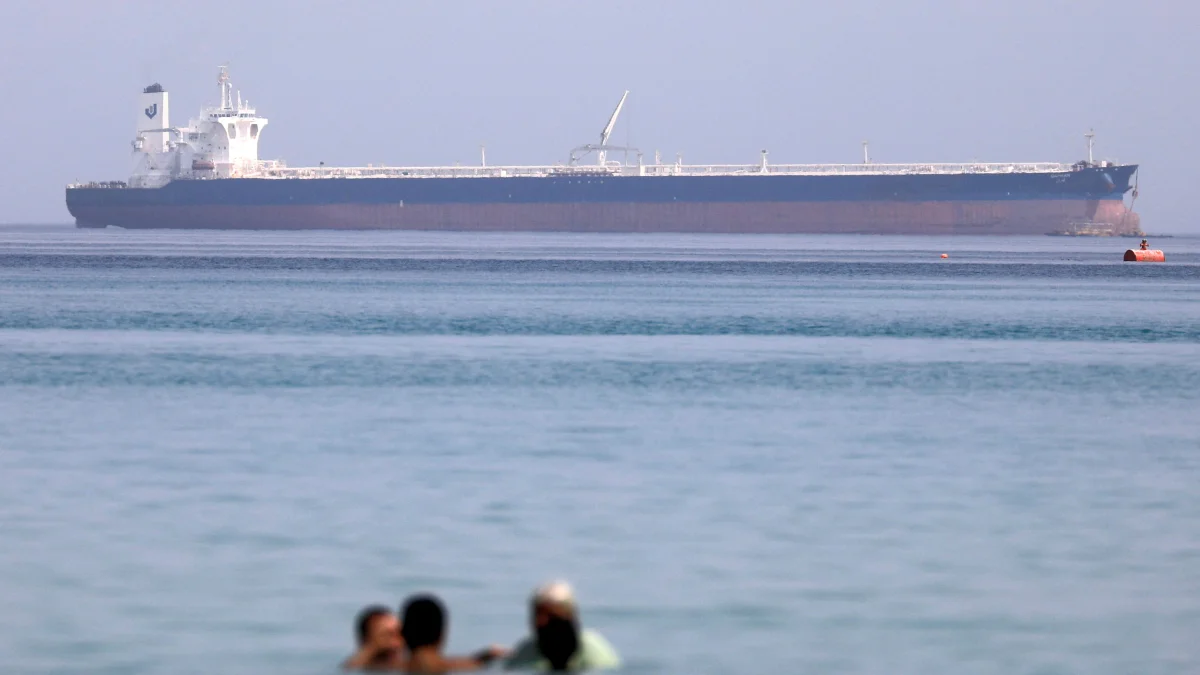
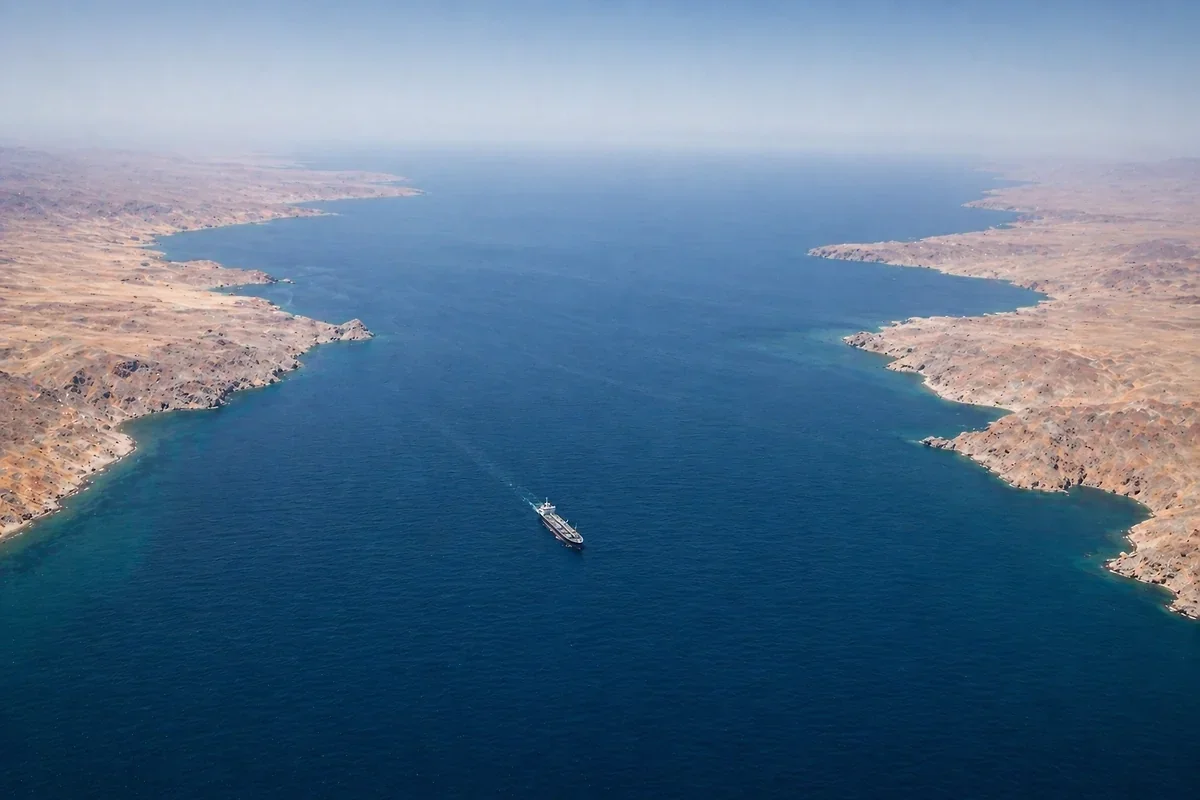
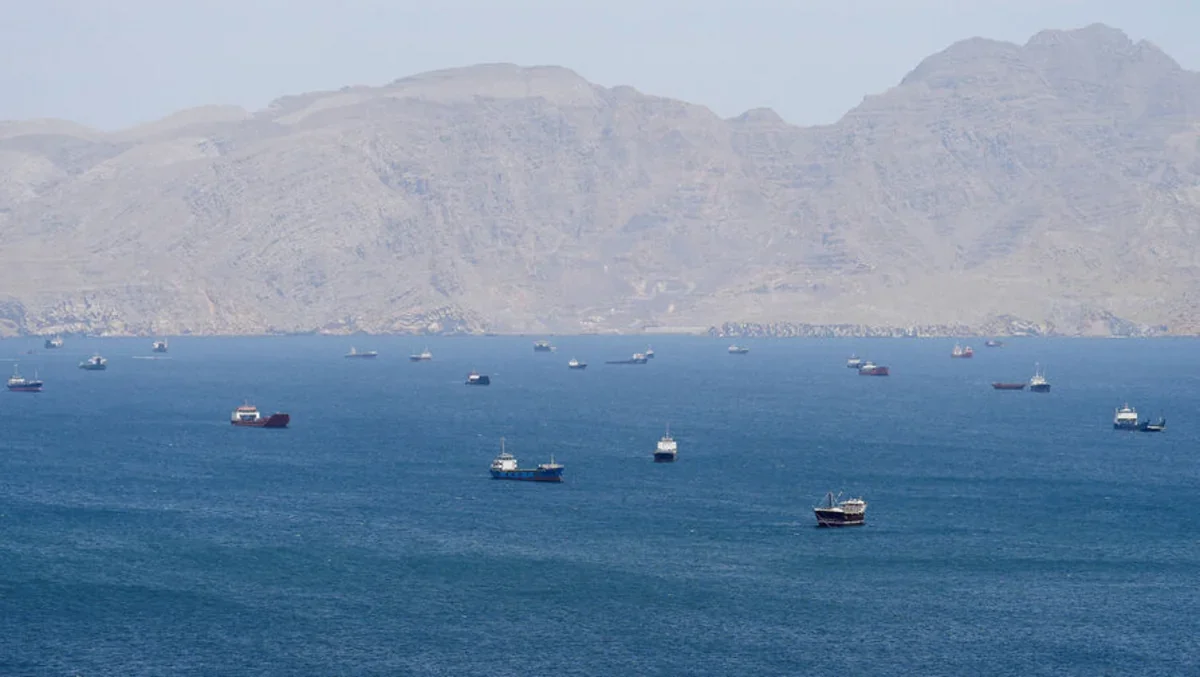
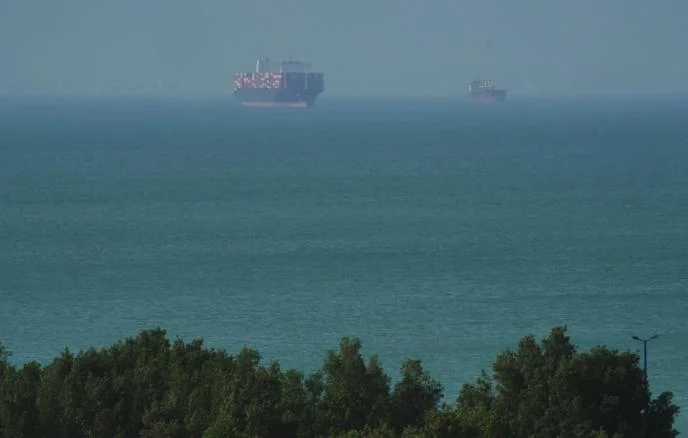
Operative Information Center-OMM reports that Friedman argues that smaller powers are now capable of impacting powerful militaries and economic structures through the use of low-cost drones, cyber tools, and strategic chokepoints like the Strait of Hormuz.
The analysis points out that US President Donald Trump's policy of applying pressure on Iranian oil exports is intended to influence Tehran's strategic decisions. However, Friedman suggests that Iran may counter this by leveraging its position in the Strait of Hormuz to drive up energy prices, potentially forcing a shift in Washington's stance. The columnist emphasized that warfare is no longer confined to traditional balances of power, as state and non-state actors can now inflict significant economic and infrastructural damage using relatively inexpensive means.
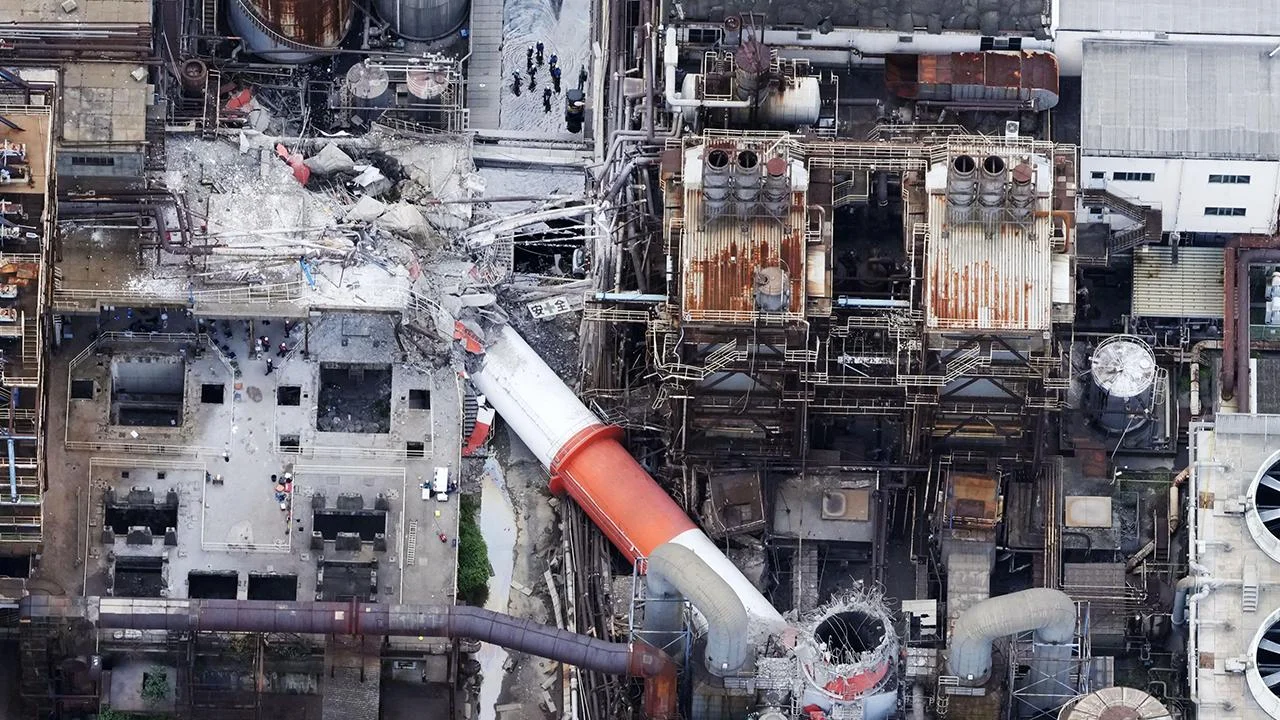
Friedman cited drone attacks on targets in the UAE and Bahrain as examples of high-impact, low-cost operations, drawing parallels to Ukrainian drone strikes within Russia and rocket attacks by Hamas. He further warned that the integration of artificial intelligence could accelerate these trends, making cyberattacks faster and more autonomous. This shift reflects a broader global trend where technological proliferation allows smaller entities to challenge established geopolitical orders, a development that carries significant implications for regional security and international energy markets.