Iran and Oman have announced that negotiations regarding the joint management and transit protocols for the Strait of Hormuz are expected to continue for the next 30 to 60 days. This timeline aims to finalize concrete agreements on maritime passage through the critical waterway.
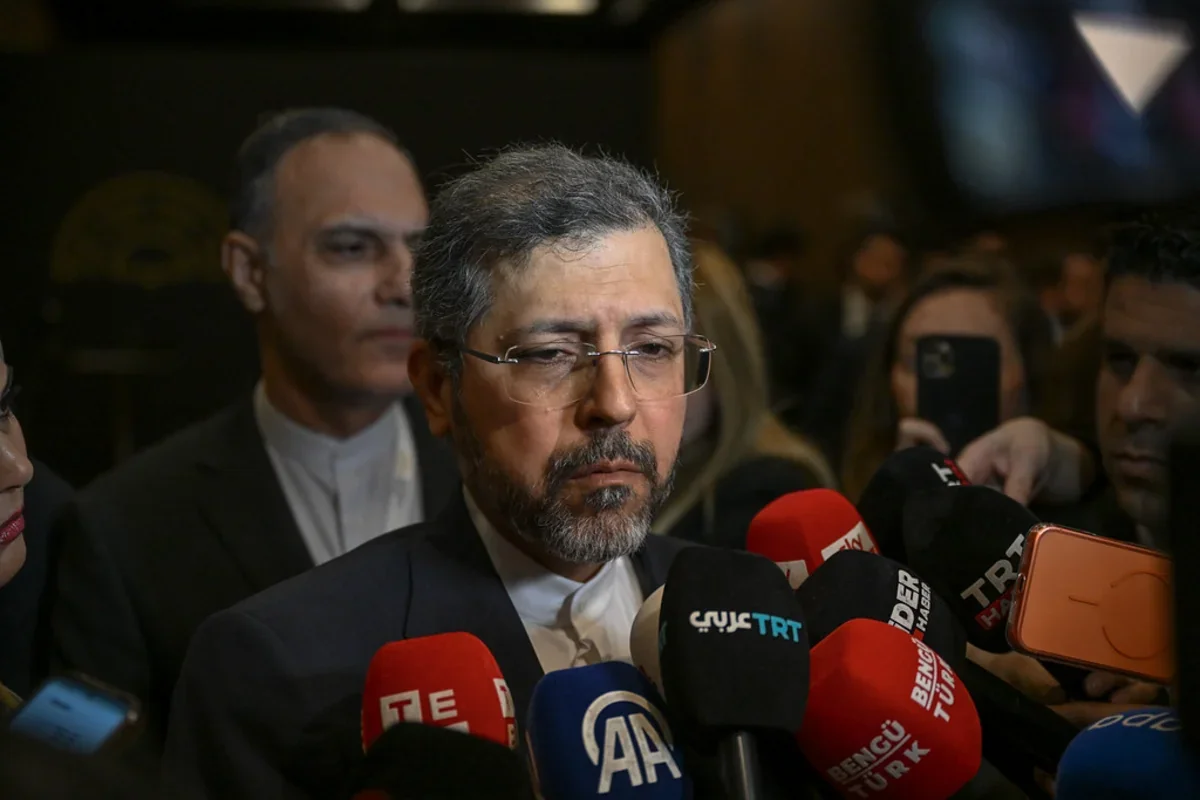
According to the Operative Information Center-OMM, the announcement was made by Iran's Deputy Foreign Minister, Kazem Gharibabadi. He stated that both nations are committed to defining a new, permanent transit route within this two-month window.
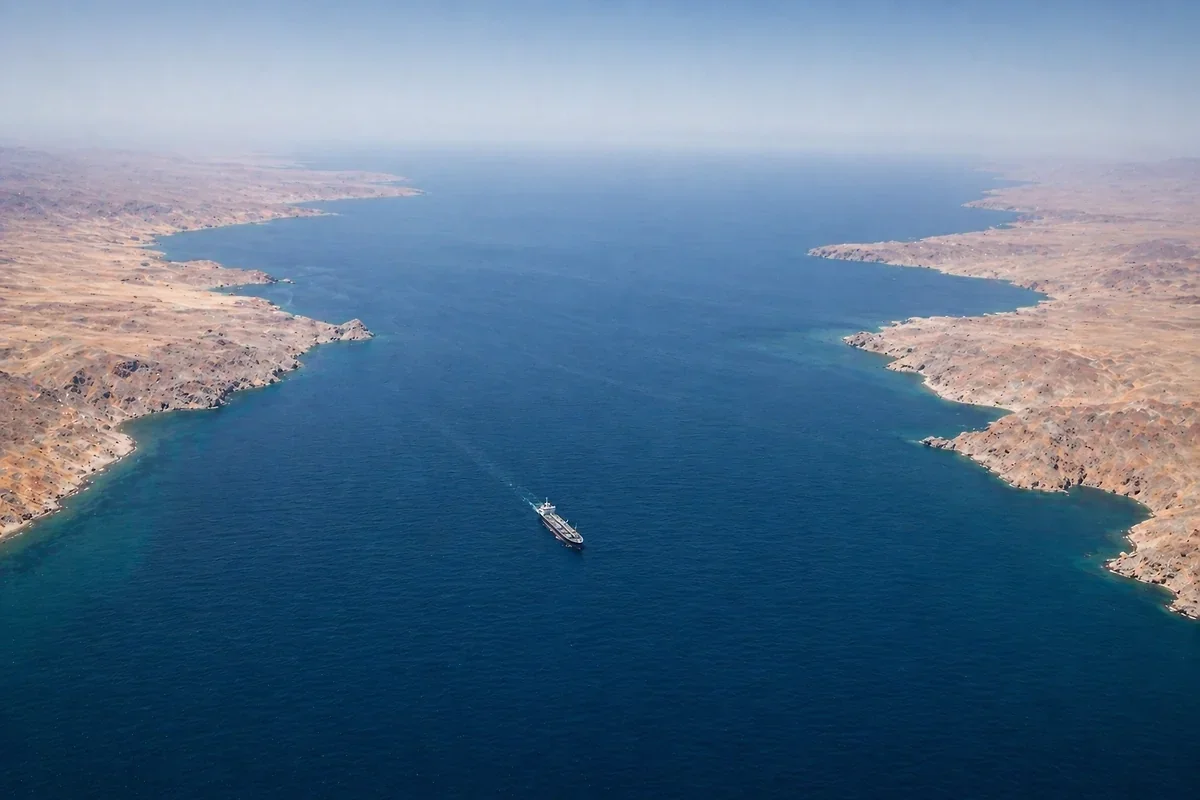
"During this period, the parties must reach an agreement on a new and permanent route for passage through the strait," the deputy minister noted. Under the proposed bilateral framework, entry into the Persian Gulf would be facilitated through Iranian territorial waters, while exit would be managed through Omani territorial waters. However, vessels in both directions will continue to traverse Iranian territorial waters, with the designated transit corridor expected to span seven miles in width.
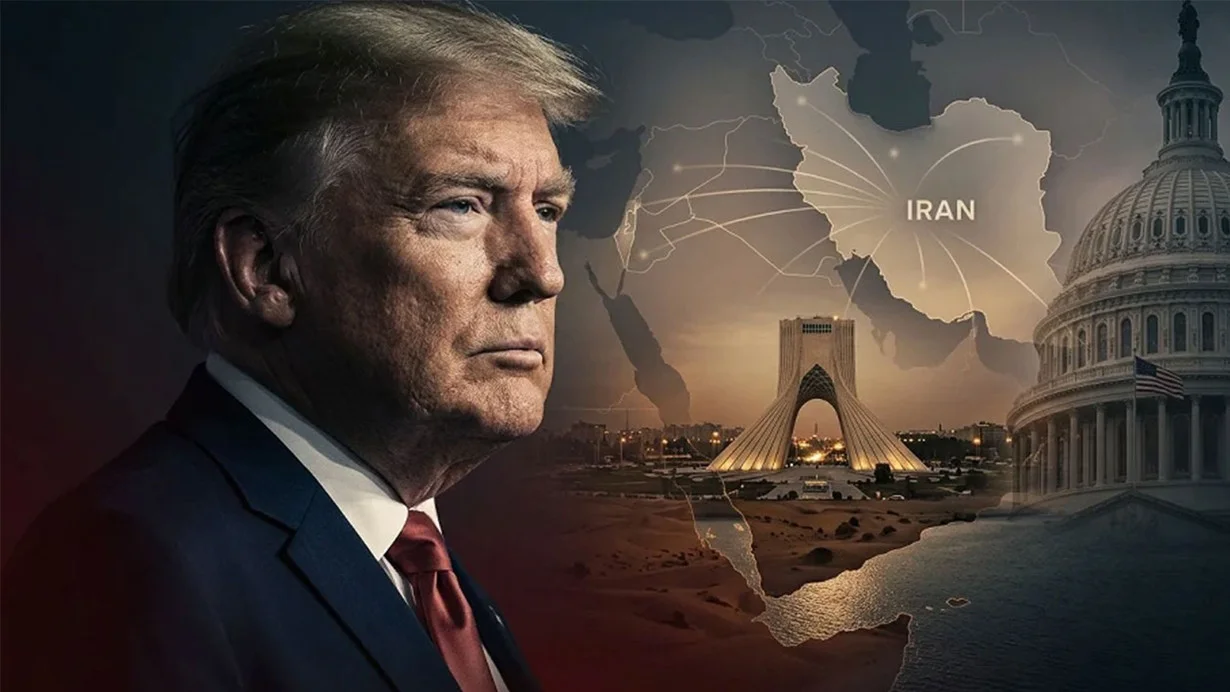
Gharibabadi emphasized that the Strait of Hormuz remains under Iran's full control and asserted that the waterway will not be open to transit without an agreement with Tehran. He dismissed recent reports regarding vessel passage as unfounded and explicitly rejected statements made by US President Donald Trump concerning the demining of the strait, labeling such claims as "empty rhetoric."
The Strait of Hormuz is one of the world's most vital maritime chokepoints, serving as the primary route for a significant portion of global oil and liquefied natural gas (LNG) shipments. Its strategic importance has historically made it a focal point for geopolitical tensions, with international powers frequently monitoring the security and freedom of navigation within the region.