 OMM Redaksiyası

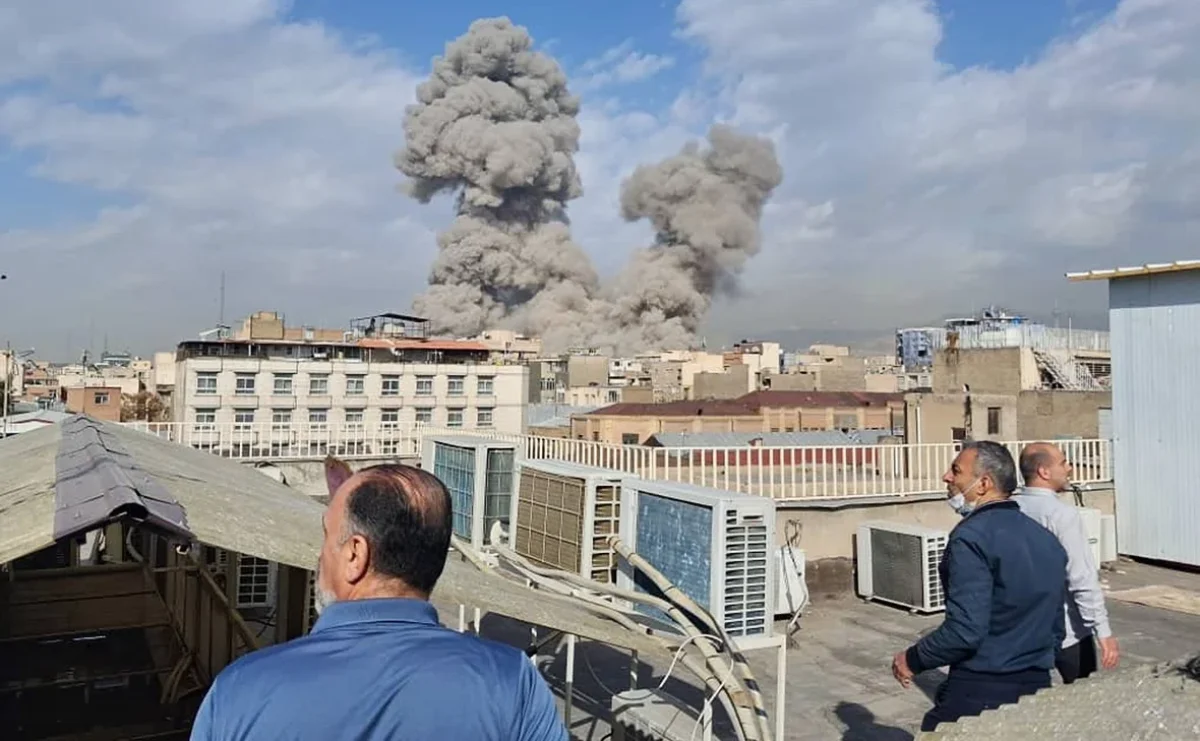
The intensified air strikes carried out by the United States and Israeli air forces, particularly in the western regions of Iran, are reportedly a preparation for a potential ground operation.
Operative Information Center-OMM, citing News Sky, reports that these bombardments could fundamentally alter the balance of power in the Kurdish-populated regions of the country.
According to reports, the attacks, which commenced on February 28, have primarily targeted security, intelligence, and border infrastructure. In recent days, police stations, border crossings, and intelligence buildings across Kermanshah, Urmia, and other western provinces have been subjected to strategic strikes. Experts evaluate these moves as a strategy to clear a path for a ground operation.
It is emphasized that the following targets have been neutralized as a result of the strikes:
- Police and border guard posts along the Iran-Iraq border;
- Internal security buildings belonging to the Islamic Revolutionary Guard Corps (IRGC);
- Regional intelligence centers and command posts.
The objective of these strikes is to weaken the regime's local security network, limit coordination capabilities, and create a bridgehead for the potential advancement of allied forces. According to L'orient Today, the attacks have resulted in the deaths of hundreds of security personnel and caused significant damage to infrastructure.
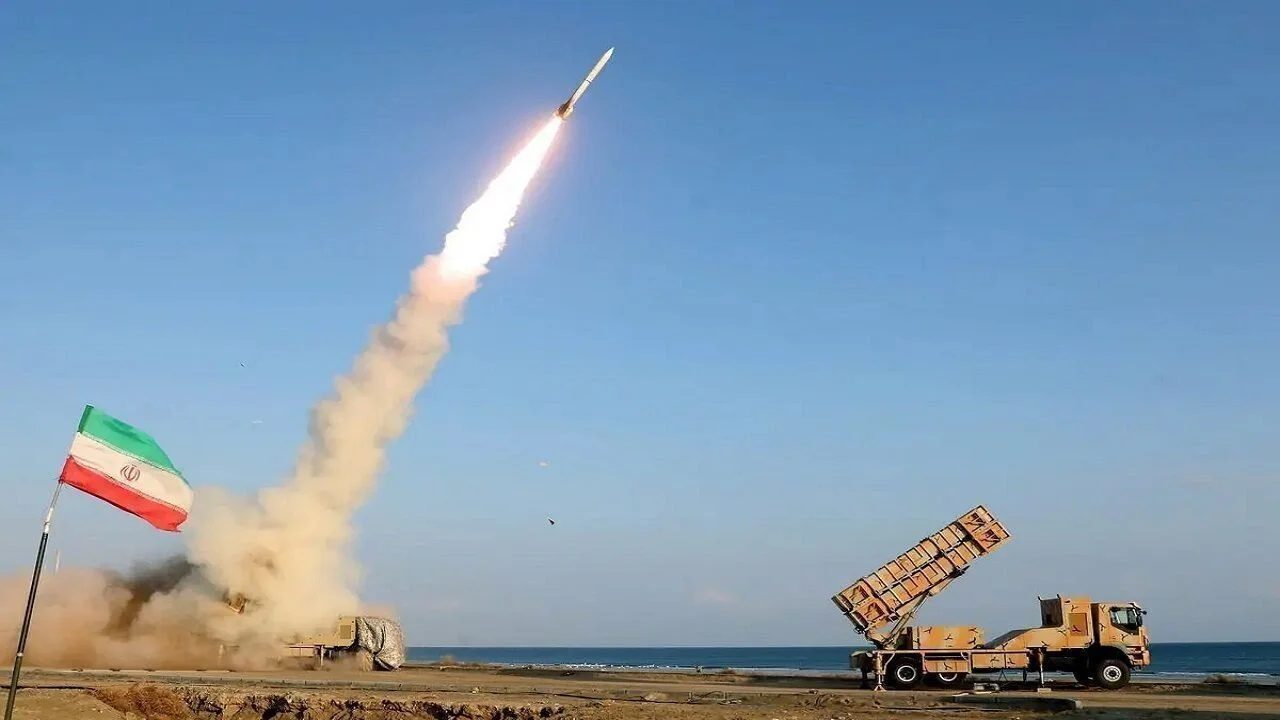
Simultaneously, the Islamic Revolutionary Guard Corps has responded by using unmanned aerial vehicles (UAVs) to intensively shell the positions of Kurdish groups along the Iraqi border. This escalation is being viewed as a precursor to a larger-scale military conflict in the region.
The current military escalation follows a period of heightened regional tensions involving US President Donald Trump's administration and its strategic allies. Historically, the western regions of Iran, characterized by their mountainous terrain and ethnic diversity, have been focal points for internal security operations. The involvement of US President Donald Trump's administration underscores a shift toward more direct military pressure on the Iranian security apparatus to curb its regional influence and ensure stability across the Middle East.