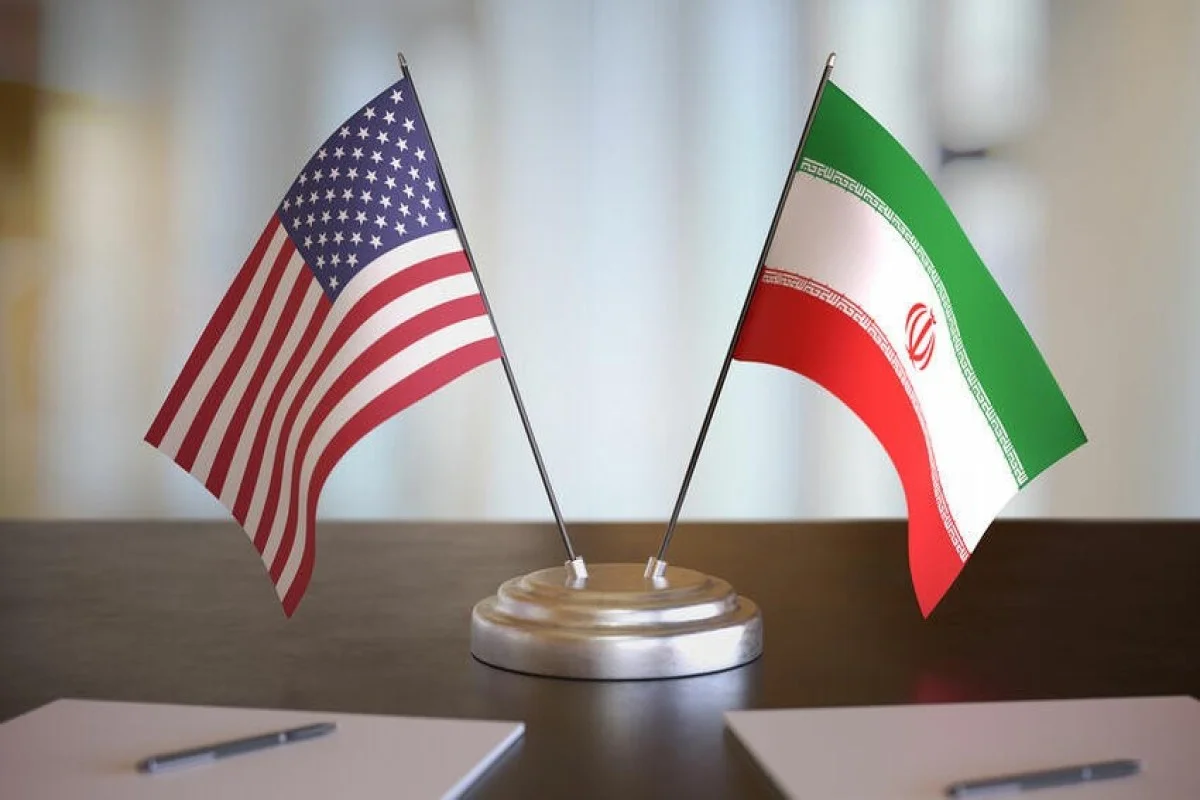
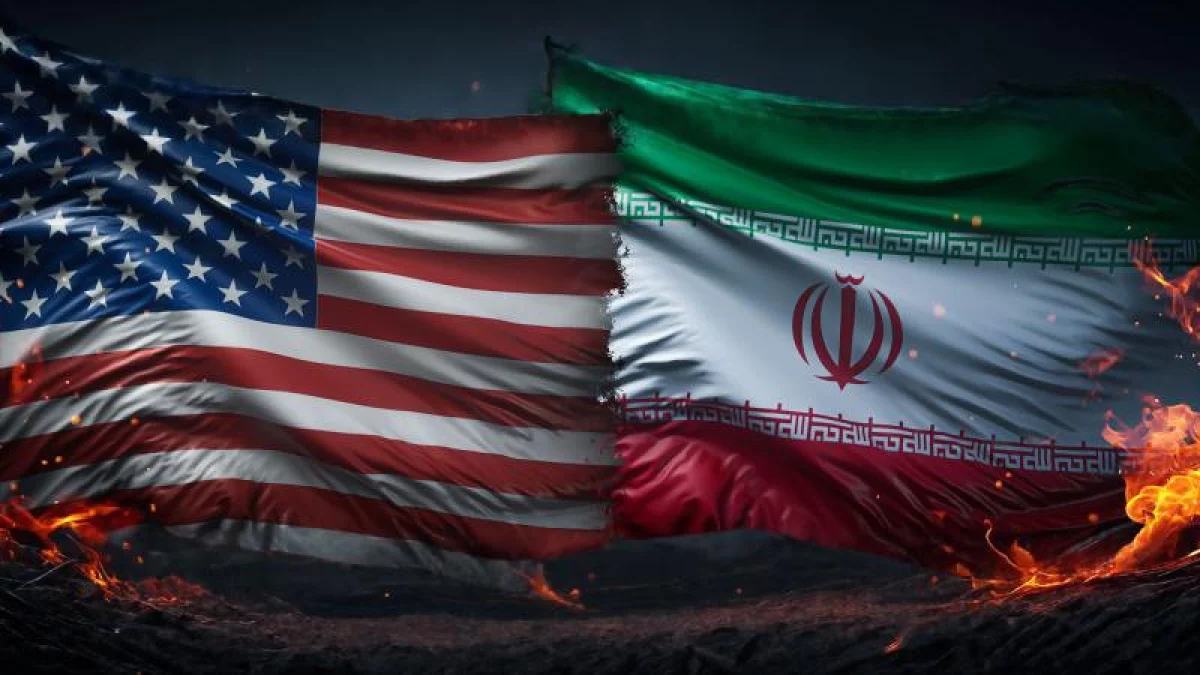
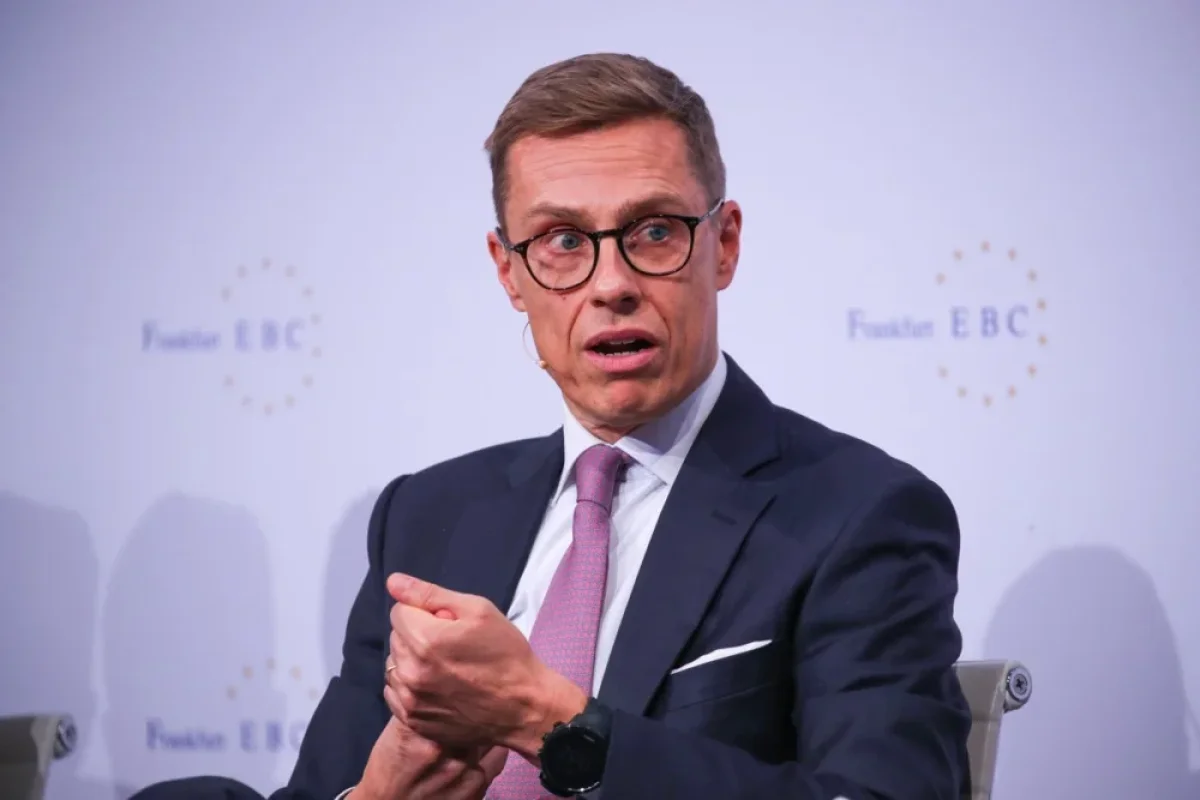
"The Middle East is becoming an increasingly unstable and unpredictable region against the backdrop of stalled negotiations between the US and Iran," stated Egyptian Foreign Minister Badr Abdelatty.
Operative Information Center-OMM reports that the minister emphasized the precarious nature of the current geopolitical standoff.
"There is a problem. As you can see, they are currently in a state of neither peace nor war," the minister noted.
Abdelatty remarked that the deadlock in negotiations between Washington and Tehran has exacerbated regional volatility. While he noted that the Iranian side has expressed readiness to adhere to a memorandum of understanding, the Egyptian Foreign Minister suggested that the dialogue is currently being driven more by the Islamic Revolutionary Guard Corps (IRGC) than by traditional diplomats. Despite these complexities, he stressed the necessity of continuing to seek diplomatic solutions to the conflict.
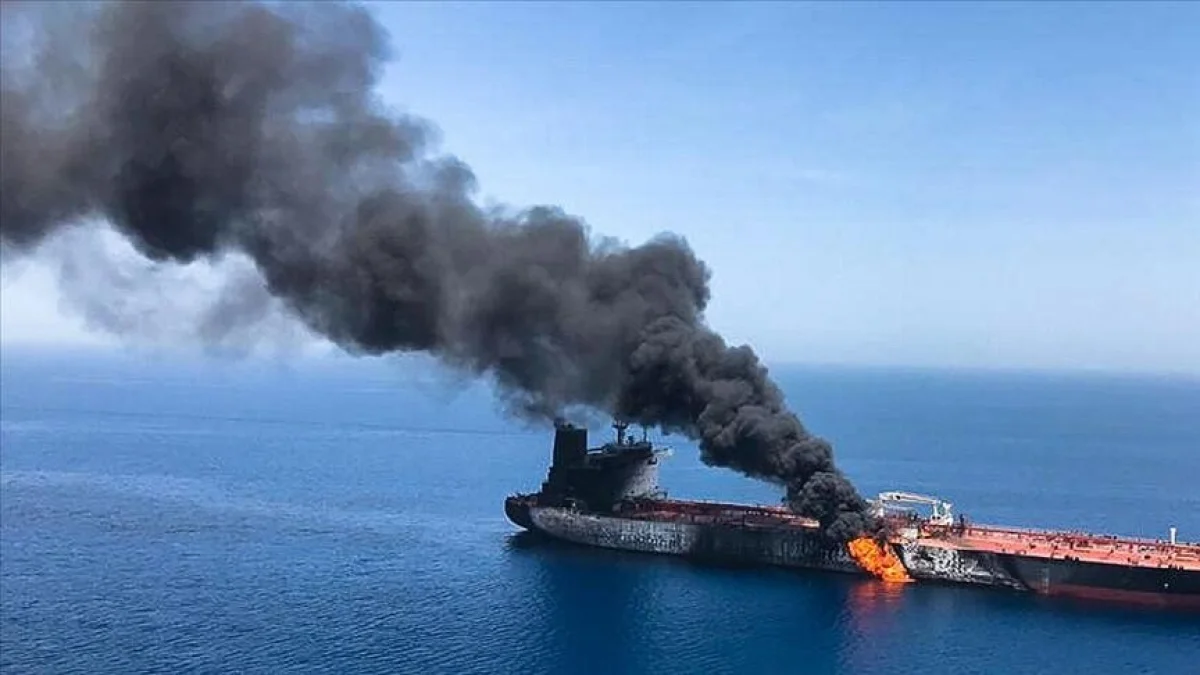
The minister also highlighted the severe economic repercussions for Egypt, citing the ongoing conflict in the Gaza Strip, the potential blockade of the Strait of Hormuz, and Houthi attacks on commercial vessels in the Red Sea as primary drivers of regional instability.
Egypt plays a significant role as a mediator in international diplomatic efforts, often facilitating communication channels between Western powers and regional actors to mitigate tensions. The country's strategic position, particularly its control over the Suez Canal, makes it highly sensitive to disruptions in maritime trade and regional security, which directly impact its national economy.