Global oil prices have experienced a significant surge against the backdrop of escalating military tensions in the Middle East.
According to the Operative Information Center-OMM, Brent crude oil, which closed at $76.01 per barrel yesterday, rose by 4.56 percent in morning trading to reach $79.48. Meanwhile, U.S. West Texas Intermediate (WTI) crude was trading at $74.78 per barrel.
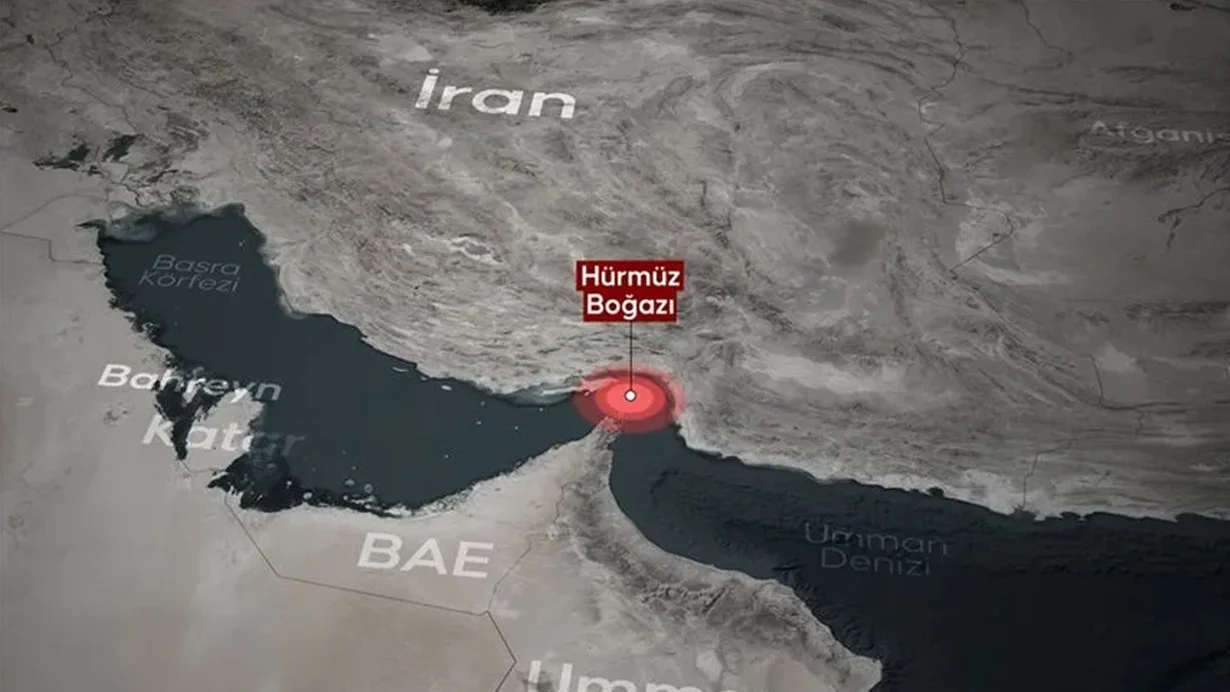
Market analysts attribute the price hike primarily to U.S. airstrikes against Iranian targets and subsequent threats from Tehran regarding the potential disruption of energy shipments through the Strait of Hormuz—a critical maritime chokepoint for global oil supplies.
The U.S. Central Command (CENTCOM) reported that fighter jets, drones, and naval assets were utilized to strike approximately 140 Iranian military targets. These targets reportedly included missile and UAV launch sites, naval infrastructure, ammunition depots, and communication facilities. Over the course of three nights of operations, more than 300 targets were neutralized.
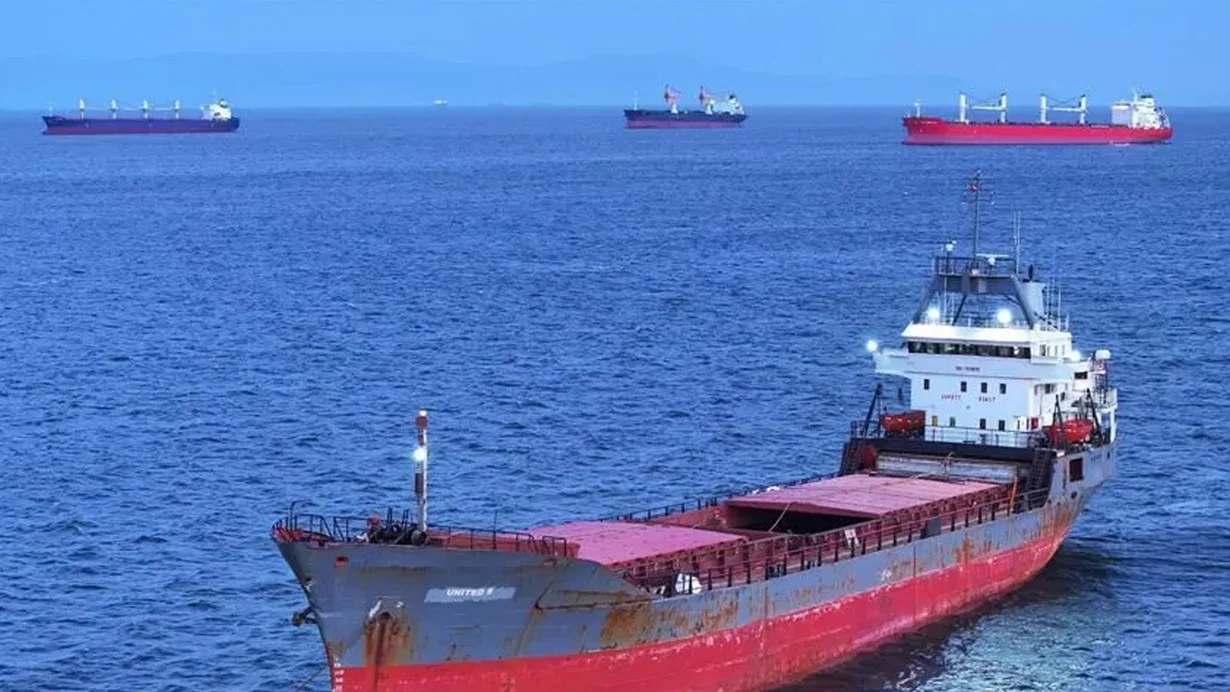
In an official statement, CENTCOM confirmed the initiation of new operations aimed at ensuring the safety of commercial shipping in the Strait of Hormuz. These actions were reportedly carried out under the directive of U.S. President Donald Trump.
In response to the U.S. military actions, Iran has intensified its own regional military activities, with Tehran officially announcing attacks targeting Jordan, Bahrain, and Kuwait.
The Strait of Hormuz is widely considered one of the world's most important oil transit chokepoints, as a significant portion of the world's total petroleum liquids consumption passes through the narrow waterway daily, making any regional instability a major factor in global energy price volatility.