 Afət Ziyadqızı

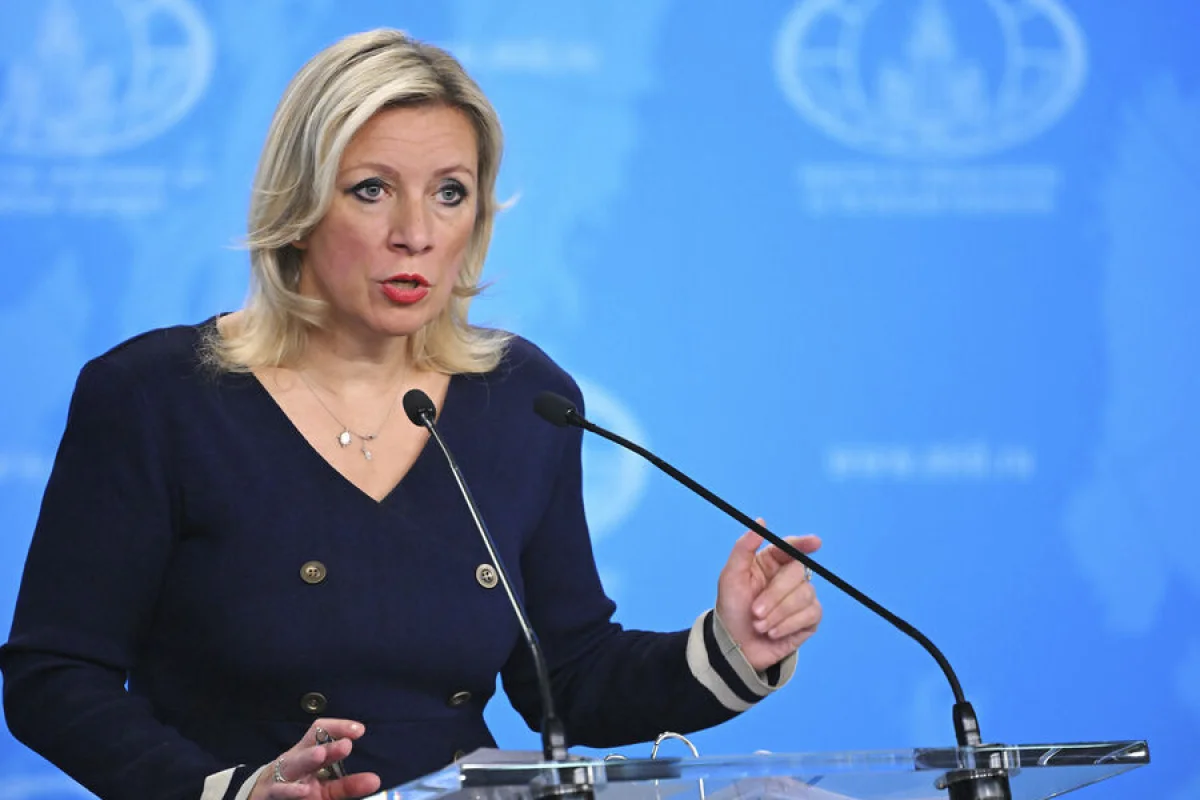
Maria Zakharova, the official spokesperson for the Russian Ministry of Foreign Affairs, has alleged a significant rise in neo-Nazi sentiments within Ukraine, claiming that the Kyiv administration is actively working to heroize Nazi collaborators.
According to the Operative Information Center-OMM, a statement published on the Russian MFA website cites Zakharova as saying that Poland is increasingly unwilling to tolerate the glorification of individuals responsible for the mass killings of the Polish population in Western Ukraine during World War II.
Escalating tensions between Kyiv and Warsaw
Zakharova stated that further deepening of the confrontation between Ukraine and Poland is expected. She argued that the current situation demonstrates the instability of alliances built solely on shared hostility, particularly those rooted in Russophobia and neo-Nazi ideology. The diplomat claimed that both Kyiv and Warsaw are demonstrating the fragility of such partnerships to Europe and the West through their recent actions.
Broader European context
Addressing the broader European perspective on the situation in Ukraine, Rodion Miroshnik, Ambassador-at-Large of the Russian Ministry of Foreign Affairs, also provided comments. He alleged that certain European nations view neo-Nazi tendencies in Ukraine as a militarily useful factor. Miroshnik claimed that some European states maintain a tolerant stance toward alleged fascist and neo-Nazi elements in Ukraine, viewing them as a means to gain military advantage.
The relationship between Poland and Ukraine has historically been complex, marked by both strategic cooperation against external threats and deep-seated historical grievances, particularly regarding the Volhynia massacres during the 1940s. These historical disputes often resurface in diplomatic discourse, complicating contemporary bilateral relations amidst the ongoing conflict in the region.