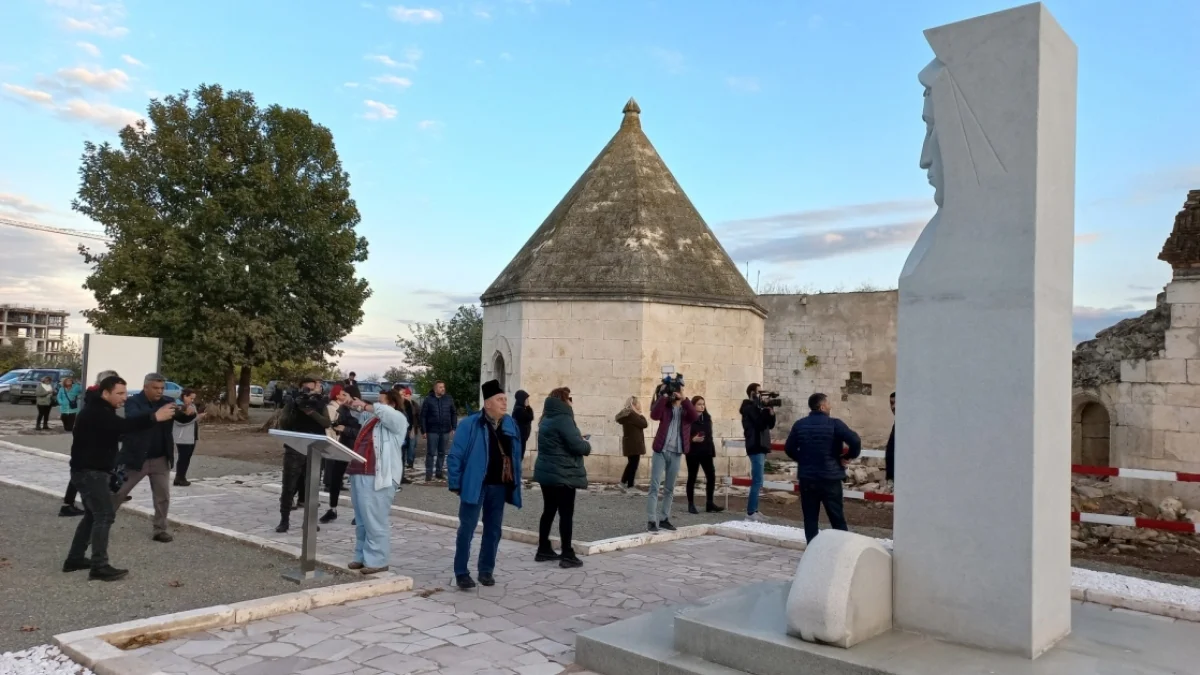
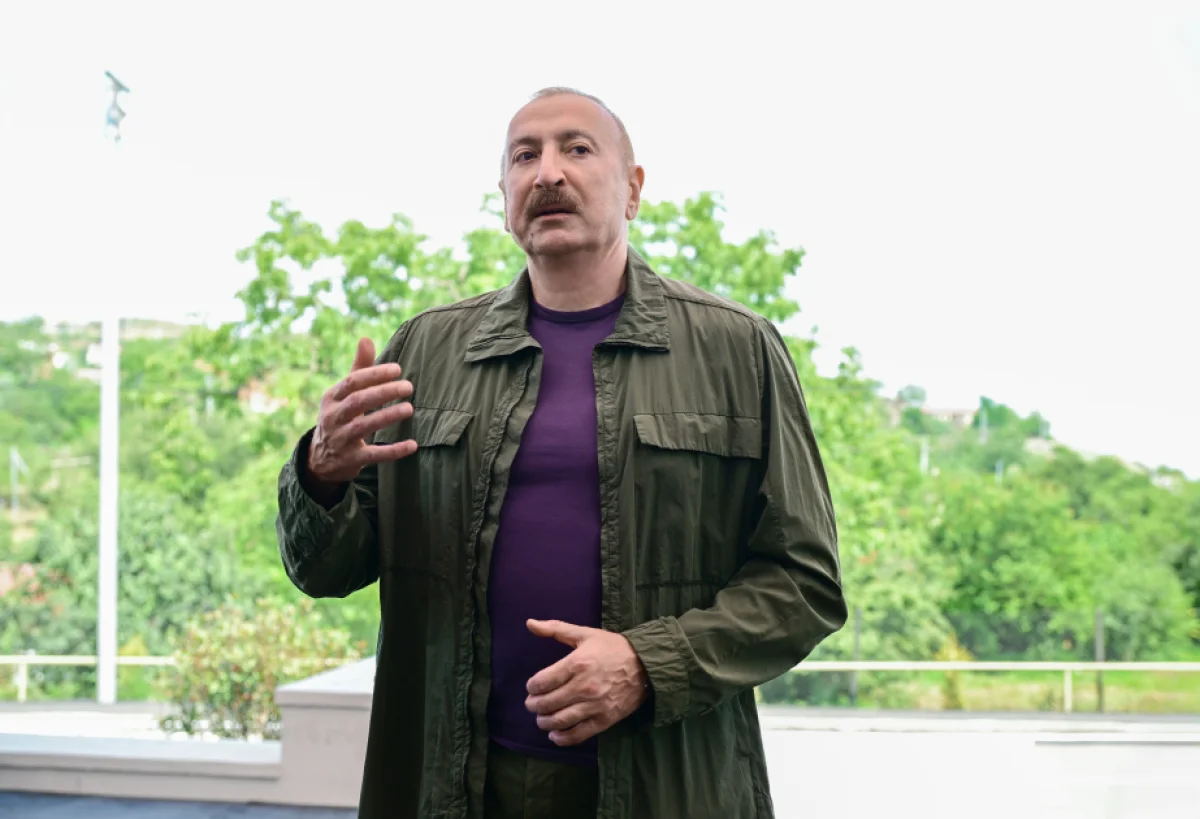
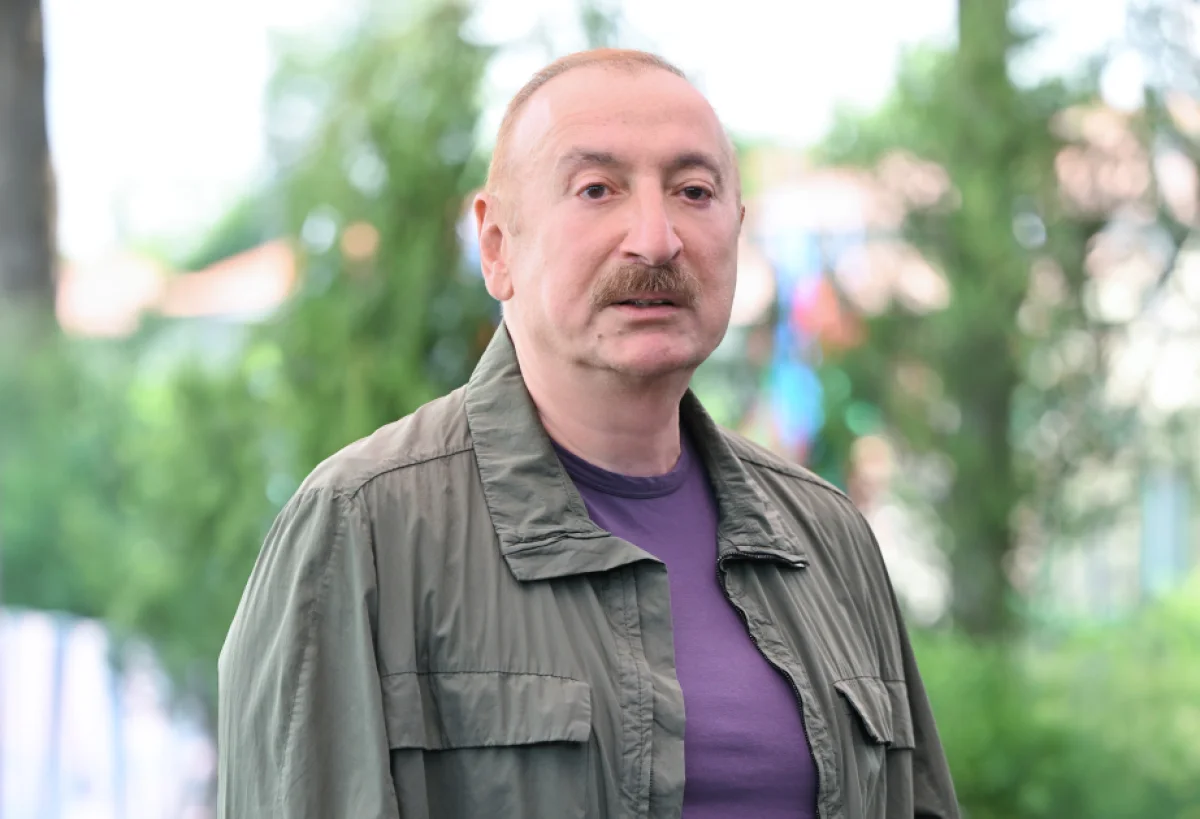
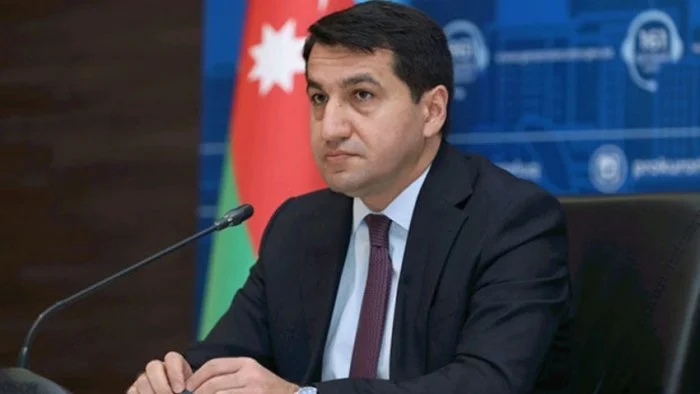
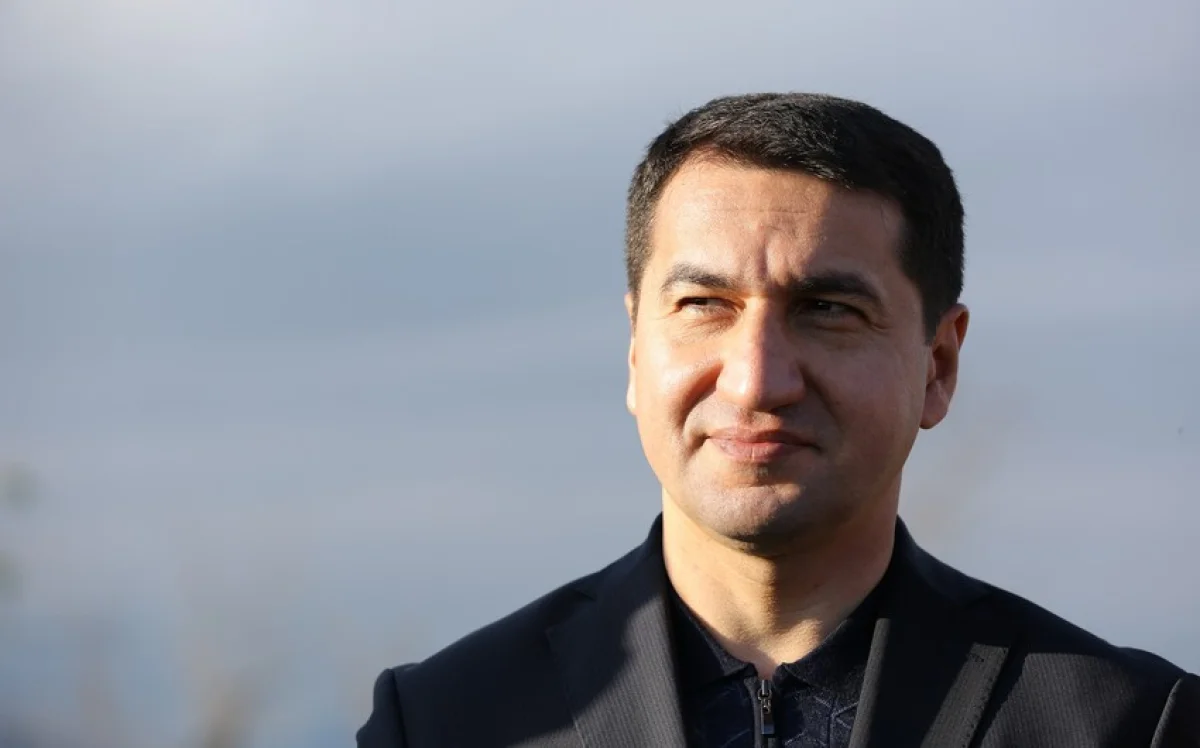
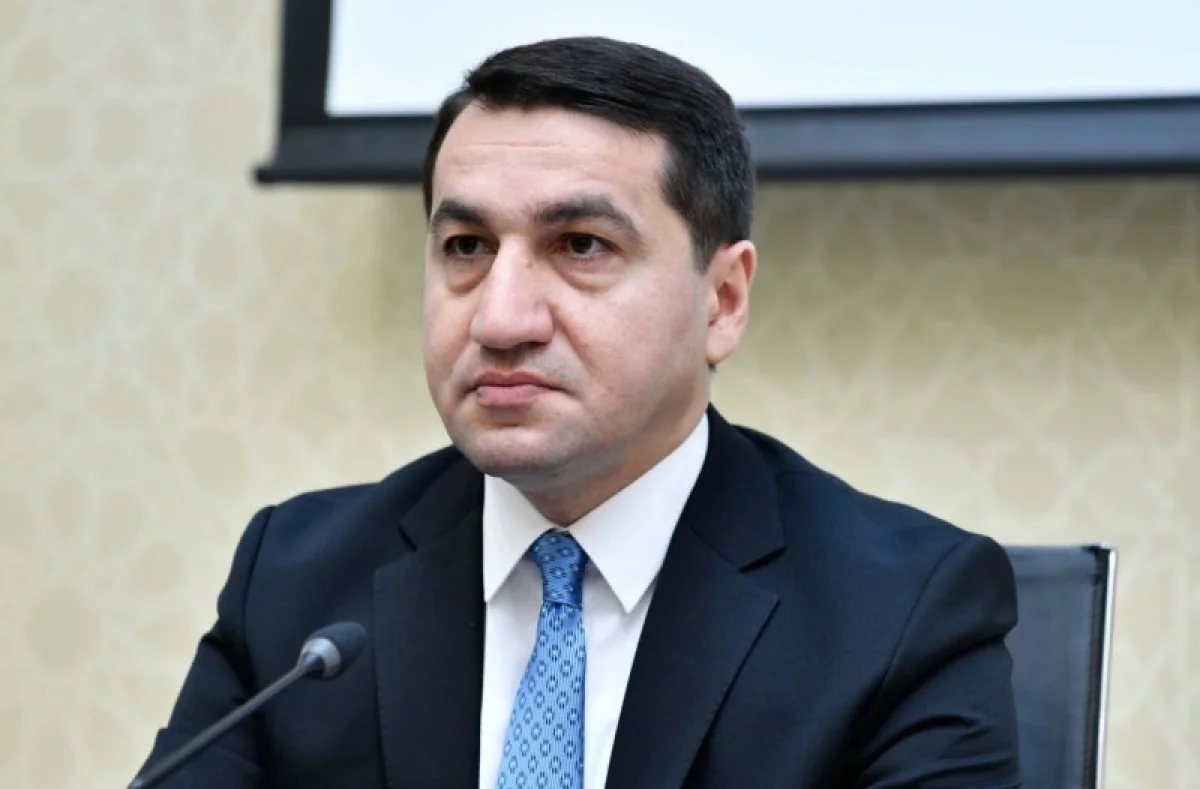
The landmine threat remains a significant challenge for Azerbaijan, hindering restoration and development in the liberated territories. According to the Operative Information Center-OMM, Hikmet Hajiyev, Assistant to the President of the Republic of Azerbaijan and Head of the Foreign Policy Affairs Department of the Presidential Administration, made these remarks during a speech to representatives of the diplomatic corps at Garabagh University in Khankendi.
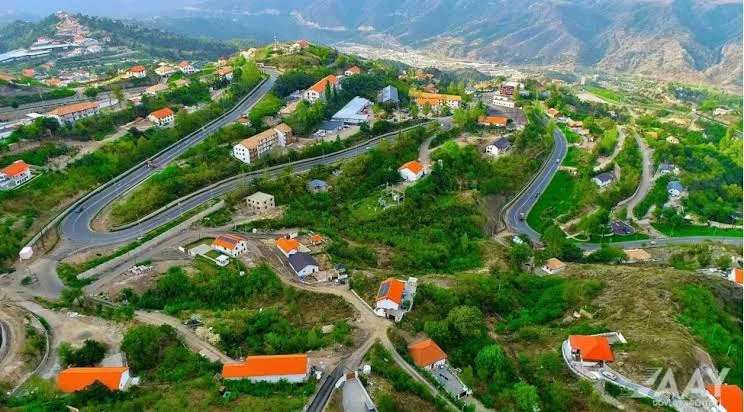
"These mines are a hidden threat buried under the soil in these areas. As you can see, this region has beautiful nature, but unfortunately, we do not have access to several districts due to the landmine threat," Hajiyev stated. He noted that during the period of occupation, more than 1.5 million mines were planted in these territories, resulting in approximately 12–13% of Azerbaijan's land being contaminated.
Hajiyev emphasized that while significant financial resources are allocated for demining operations annually, the task requires immense human courage. "There is no other way—only specialists enter the area and carry out demining work step by step," he added. The Presidential Assistant also reminded the audience that the number of victims continues to rise, noting that since 2020, more than 450 Azerbaijani citizens have been killed or injured as a result of landmine explosions.
The massive contamination of Garabagh and East Zangilan with explosive remnants of war remains the primary obstacle to the "Great Return" program, which seeks to resettle hundreds of thousands of internally displaced persons. Azerbaijan has frequently raised the issue on international platforms, highlighting that the lack of accurate mine maps significantly slows down the reconstruction of infrastructure, including schools, hospitals, and residential complexes in the liberated zones.