Last year, 1,889 technically faulty vehicles breaking down on the roads led to long-term traffic congestion across capital roads, according to official data.
The Operative Information Center-OMM was informed of these figures by the Main State Traffic Police Department. Officials noted that difficulties caused by vehicles that are unfit from a technical safety standpoint or those that have not received timely technical maintenance are frequently encountered on the road network.
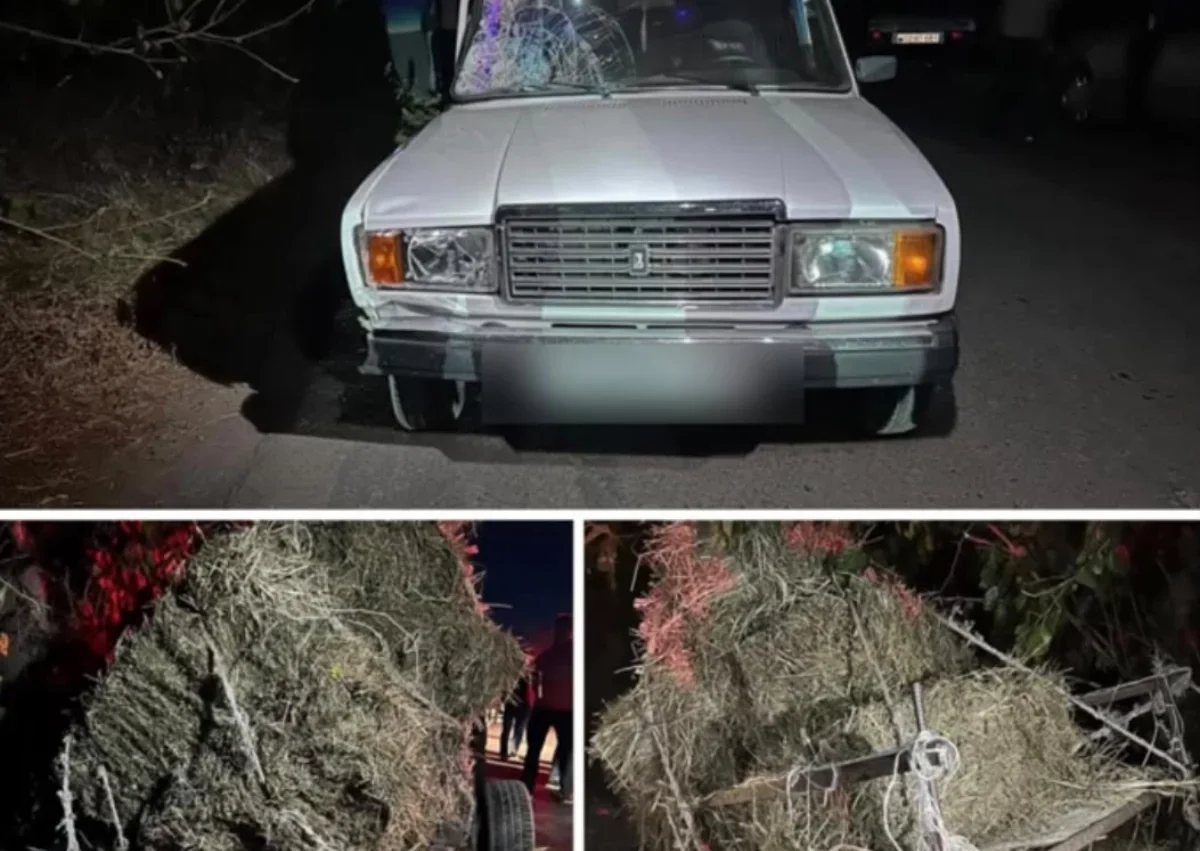
"Failure to take necessary safety measures to warn other drivers during forced stops, whether in residential areas or on highways, leads to more serious consequences and sometimes tragedies," the department stated in an official release. The Main State Traffic Police Department once again reminds drivers of their legal obligations: "When a vehicle breaks down or makes a forced stop where parking is prohibited, as well as during dark hours on unlit sections of the road or in conditions of limited visibility, safety measures provided by law must be taken to warn other road users in time."
The department emphasized that first and foremost, an emergency stop sign must be installed and emergency hazard lights must be activated. "The emergency stop sign must be placed at a distance of at least 30 meters from the vehicle so that other drivers can see it in time. In cases of heavy traffic intensity, the emergency stop sign or a portable flashing red light may be placed on top of the vehicle," the statement concluded.
Traffic management in Baku remains a priority for Azerbaijani authorities as the city continues to expand its infrastructure. The capital's road network, which connects major economic hubs, often faces pressure from the increasing number of private vehicles. Ensuring regular technical inspections and adhering to safety protocols are considered vital steps in reducing the frequency of road blockages and enhancing overall transport efficiency in Azerbaijan.