 Afət Ziyadqızı

Lebanese President Joseph Aoun has expressed support for efforts by the United States and Qatar to strengthen ceasefires across all regional fronts, including southern Lebanon. This initiative aims to prevent the resumption of hostilities and achieve a sustainable peace in the region.
According to the Operative Information Center-OMM, this information was released in an official report by the Lebanese Presidential Office.
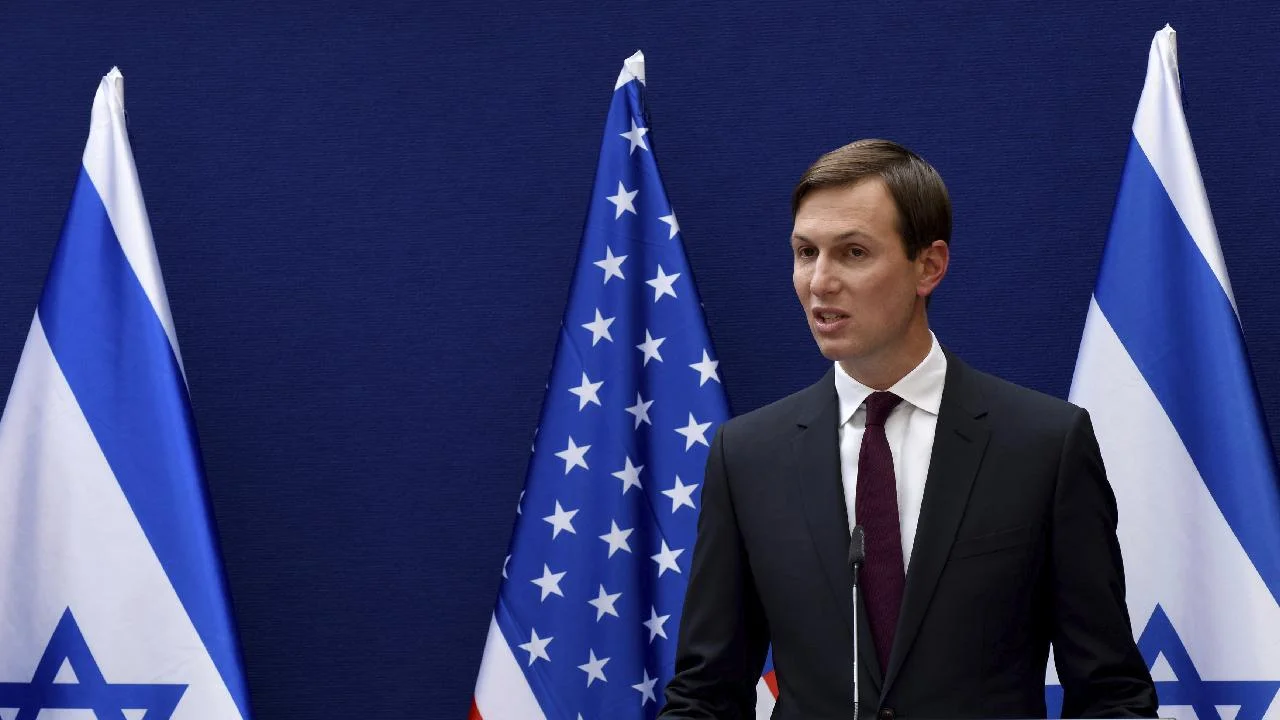
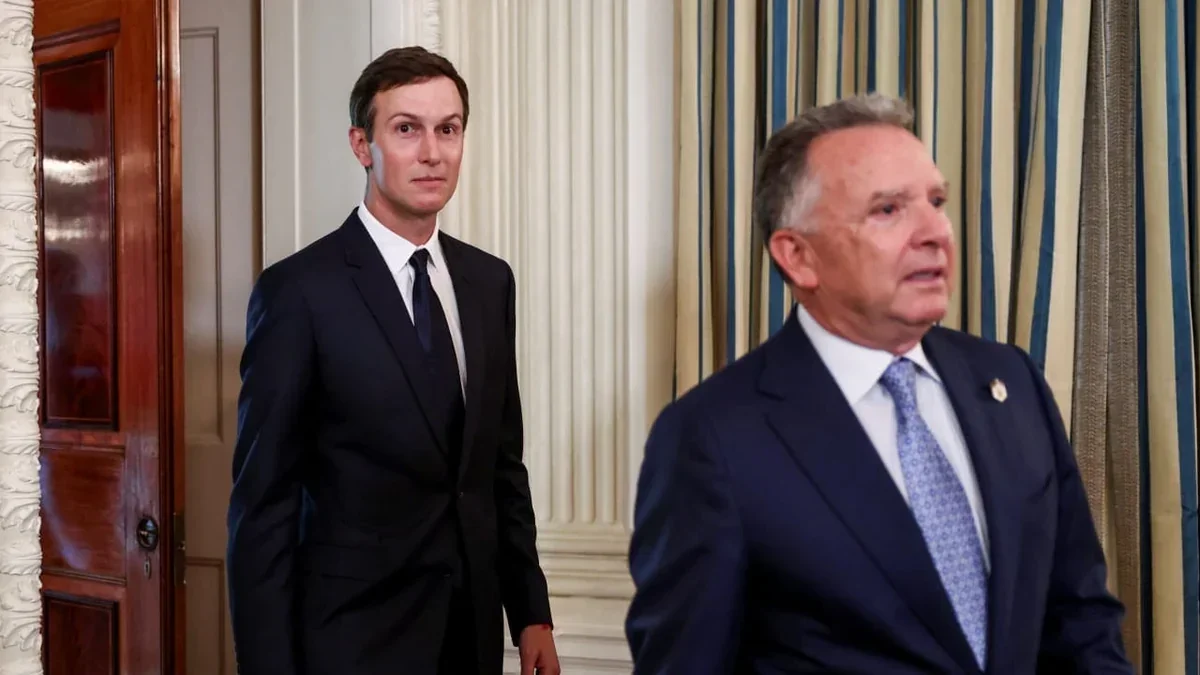
The report indicates that President Aoun held telephone conversations regarding these objectives with US Vice President J.D. Vance, Jared Kushner, and the Prime Minister and Minister of Foreign Affairs of Qatar, Sheikh Mohammed bin Abdulrahman Al-Thani.
The statement from the President's office noted:
"During the discussions, the possibility of establishing a coordinating body to prevent the resumption of military operations was addressed. President Aoun affirmed his support for all measures contributing to a lasting ceasefire and endorsed the development of a ceasefire monitoring mechanism."
The report further states that negotiation groups, which previously participated in quadrilateral consultations in Bürgenstock, have agreed to form a special working group to resolve conflicts, including those involving Lebanon. A joint statement by Qatar and Pakistan, which are mediating between the US and Iran, emphasized that Lebanese representatives would be included in the work of this body.
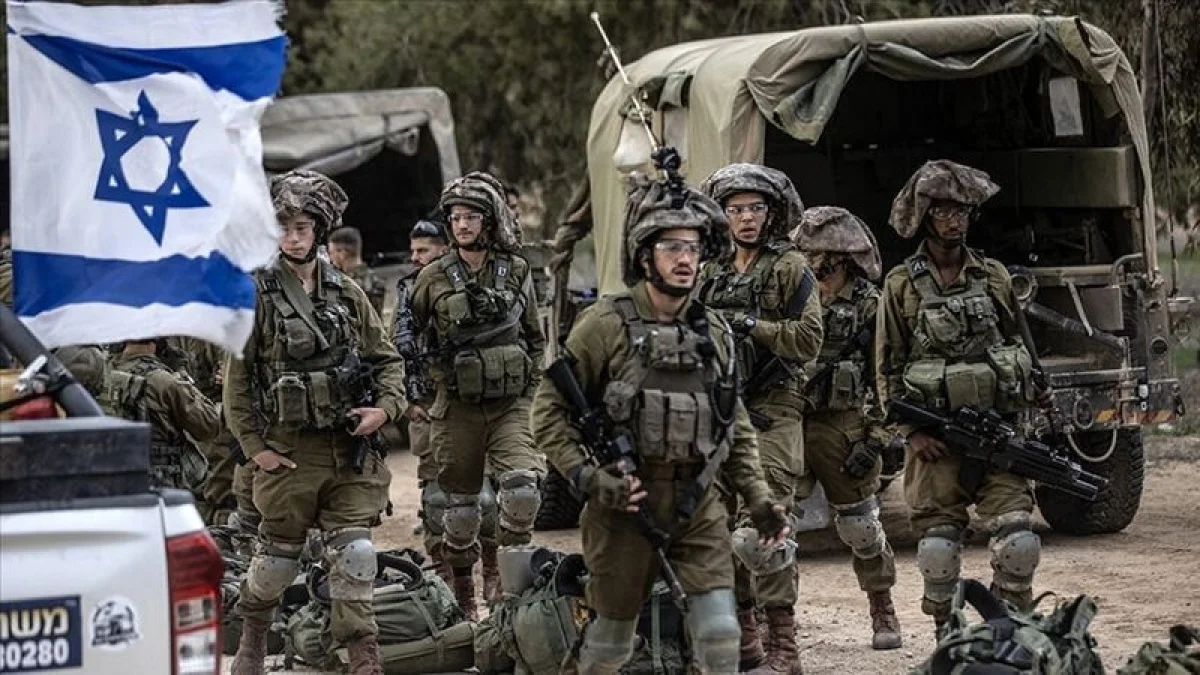
Meanwhile, the fifth round of US-brokered Lebanon-Israel negotiations is expected to take place in Washington from June 23-25. According to the newspaper Asharq Al-Awsat, the Lebanese delegation, led by diplomat Simon Karam, intends to present a significant condition during the talks. Beirut is insisting on the establishment of a concrete timeline for the complete withdrawal of Israeli troops from southern regions in exchange for a commitment to transform the territory south of the Litani River into a "secure and demilitarized zone."
The Litani River region has long been a focal point of geopolitical tension in the Middle East. The area, which serves as a buffer zone, remains critical to the security architecture of the Lebanon-Israel border, and any diplomatic breakthrough regarding its status would mark a significant development in regional stability efforts.