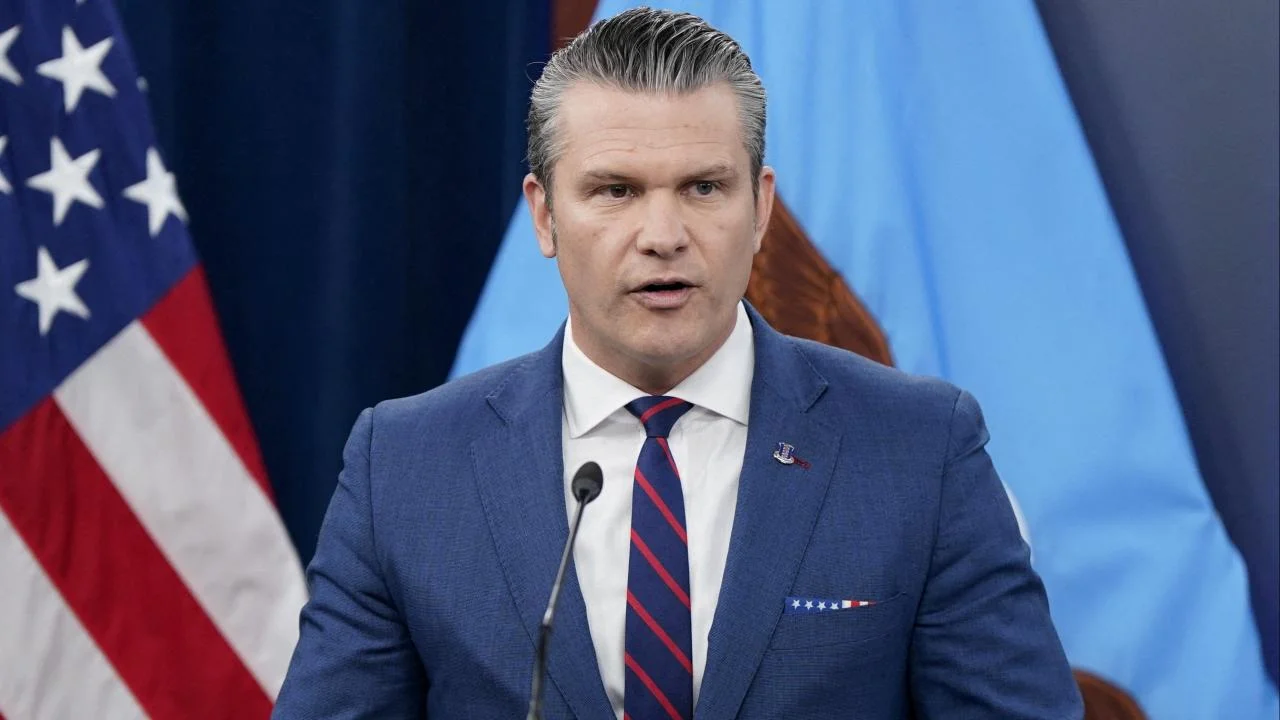
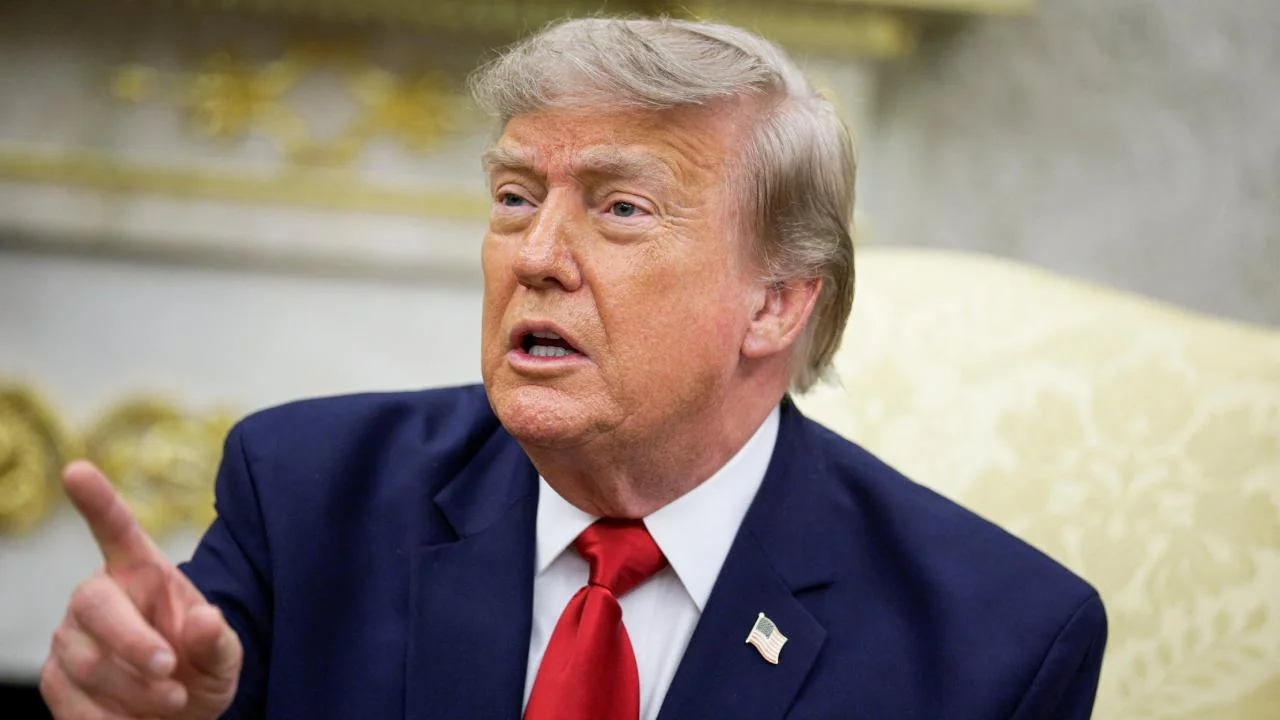
The administration of US President Donald Trump has intensified pressure on Cuba by cutting oil flows from Venezuela and threatening tariffs against Mexico, driving the island nation into a profound energy crisis.
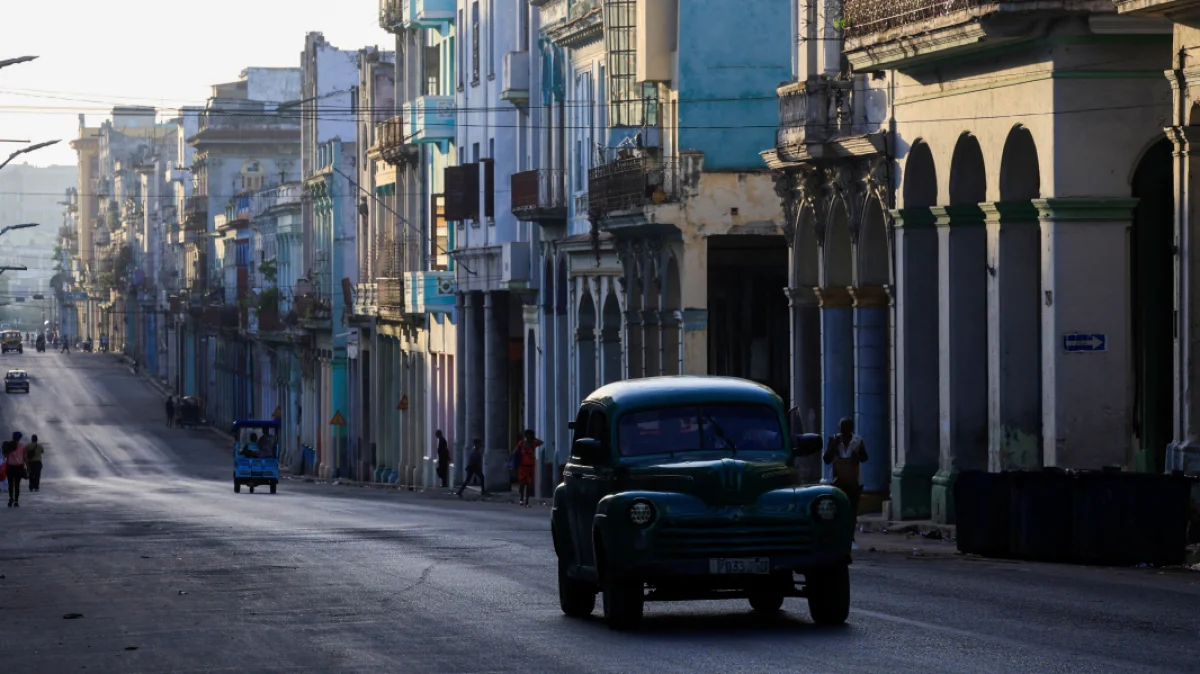
According to Operative Information Center-OMM, citing foreign media, the depletion of fuel reserves has led to a total suspension of transport, manufacturing, and tourism activities across the country.
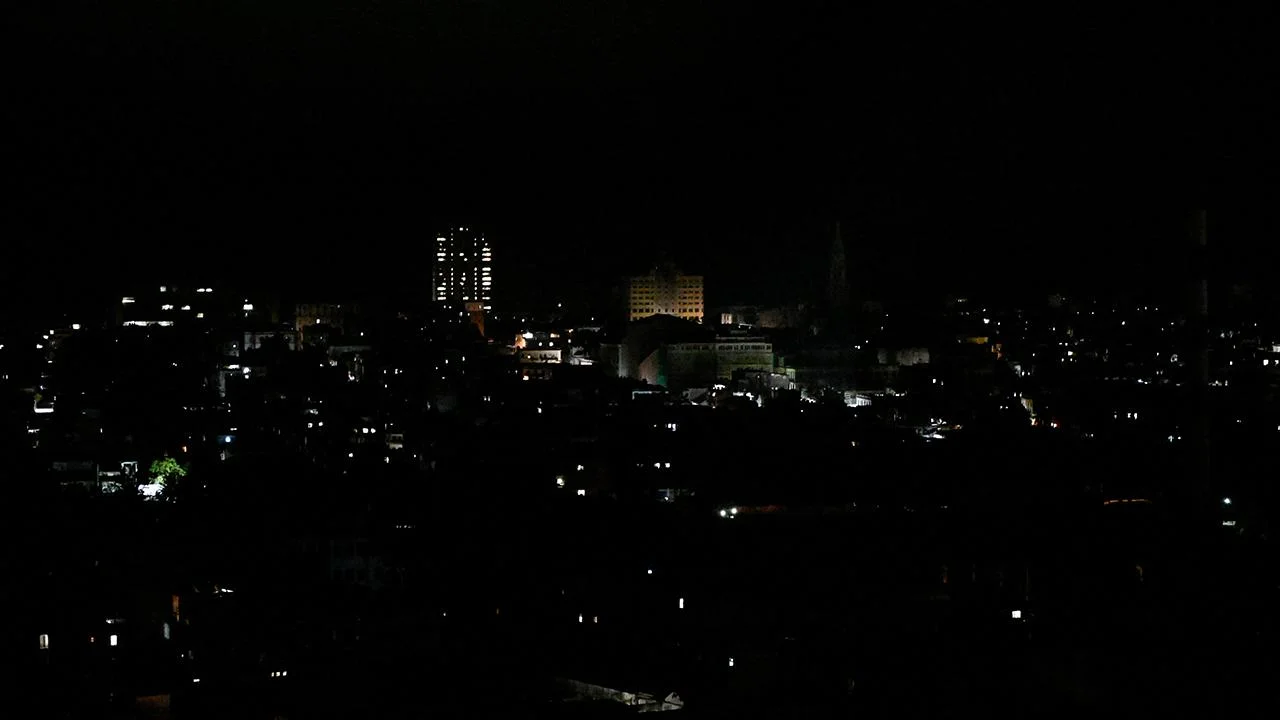
Nationwide power outages have become an inseparable part of daily life, with the capital, Havana, frequently plunged into darkness at night. To conserve energy, many schools have suspended classes, and workers have been sent on mandatory leave. The crisis extends beyond energy; state hospitals have been forced to reduce services, and piles of garbage are accumulating on the streets due to fuel shortages and broken machinery.
Cuba's tourism industry, which once hosted world-renowned figures, is facing a collapse due to both fuel shortages and international travel warnings. Flights from Russia and Canada have been canceled due to a lack of aviation fuel. Furthermore, the United Kingdom and Canada have advised their citizens to avoid non-essential travel to the island.
Cuban President Miguel Diaz-Canel has called on the population to show resilience and adapt to a "war-time" psychology. Meanwhile, US officials, particularly in discussions led by Marco Rubio, are emphasizing demands for regime change and the opening of the economy. The prevailing uncertainty is forcing many local residents to seek ways to emigrate from the country.
Historically, Cuba has struggled with economic stability since the imposition of the U.S. embargo in the 1960s. The current situation marks one of the most severe downturns since the "Special Period" of the 1990s. The island's heavy reliance on external oil supplies and its aging infrastructure make it particularly vulnerable to shifts in regional geopolitics and changes in Washington's foreign policy.