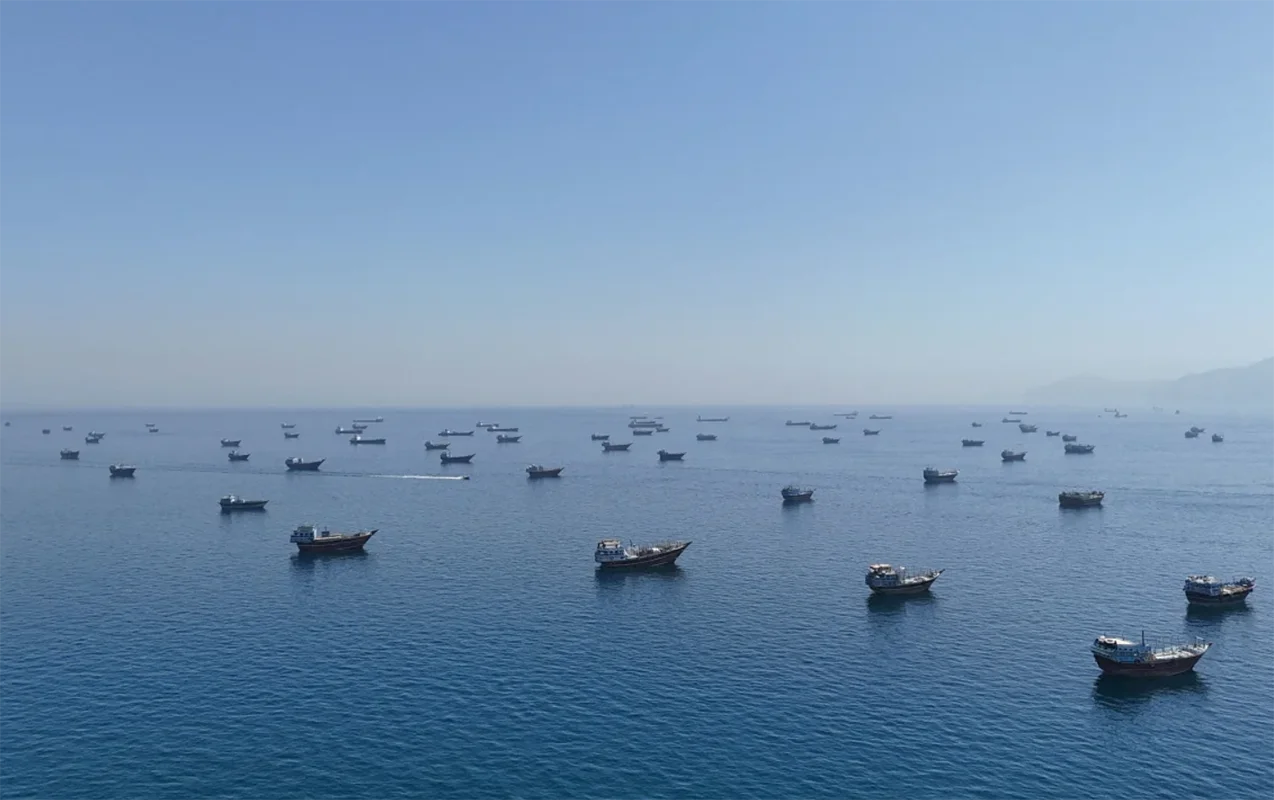
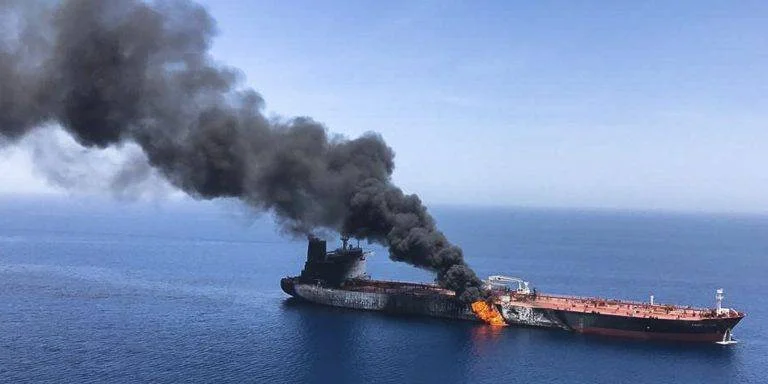
Qatar and the United Arab Emirates (UAE) have begun conducting ship-to-ship transfers of liquefied natural gas (LNG) outside the Strait of Hormuz to ensure the continuity of energy supplies.
According to the Operative Information Center-OMM, citing international media reports, this logistical shift follows a series of security incidents affecting maritime traffic in the region.
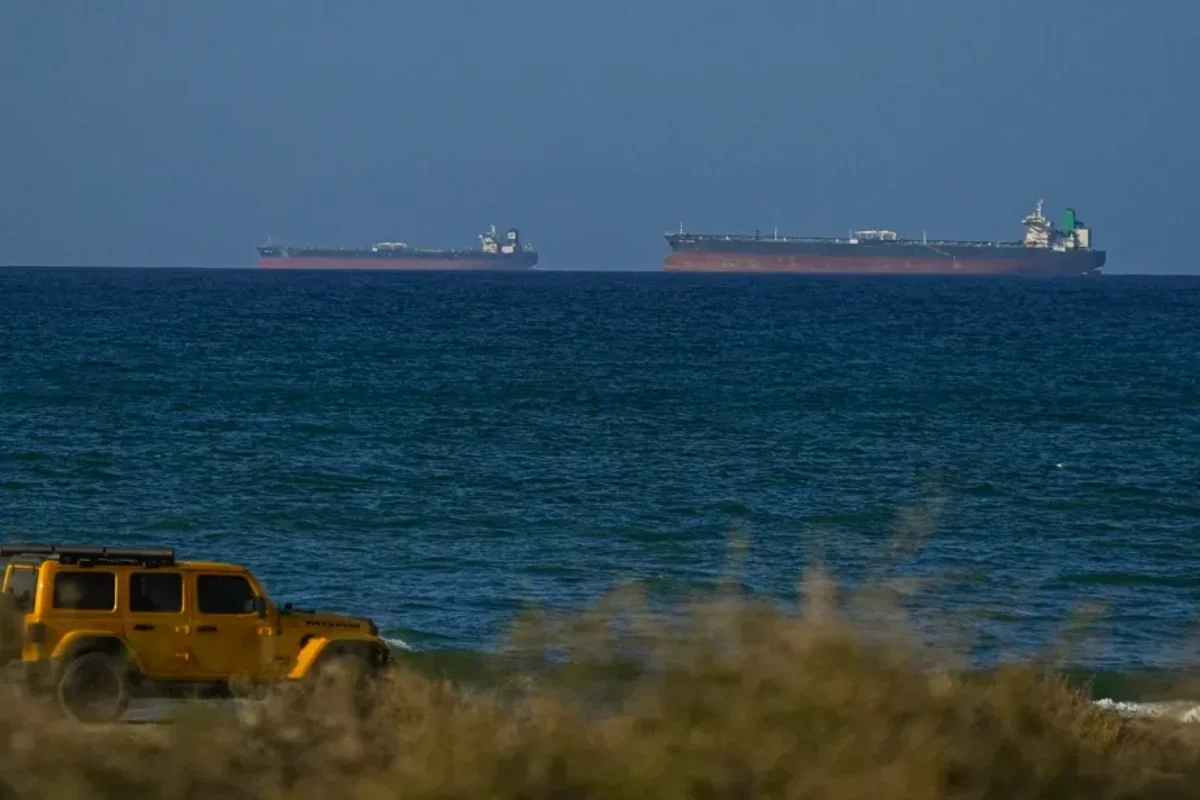
In recent weeks, three separate LNG tanker operations have been documented. In late August, the GasLog Shanghai, which had been targeted in an incident in July, transferred its cargo to the GasLog Savannah off the coast of Oman. Similarly, in mid-August, the Al Rekayyat tanker, which faced security challenges near the Strait of Hormuz, offloaded its cargo to the Tembek tanker off the eastern coast of the UAE for onward shipment to India. A third vessel, the Mraweh, received its cargo from the Enugu tanker near the Omani coast before departing for Japan.
While ship-to-ship transfers are typically rare in the LNG sector due to technical complexities, the current operational environment has necessitated these measures. The Strait of Hormuz remains a critical chokepoint for global energy transit, handling a significant portion of the world's oil and gas exports. Heightened security concerns surrounding the strait have led to increased volatility in Asian energy markets, with LNG prices reaching their highest levels in five months as shipping routes face potential disruptions.