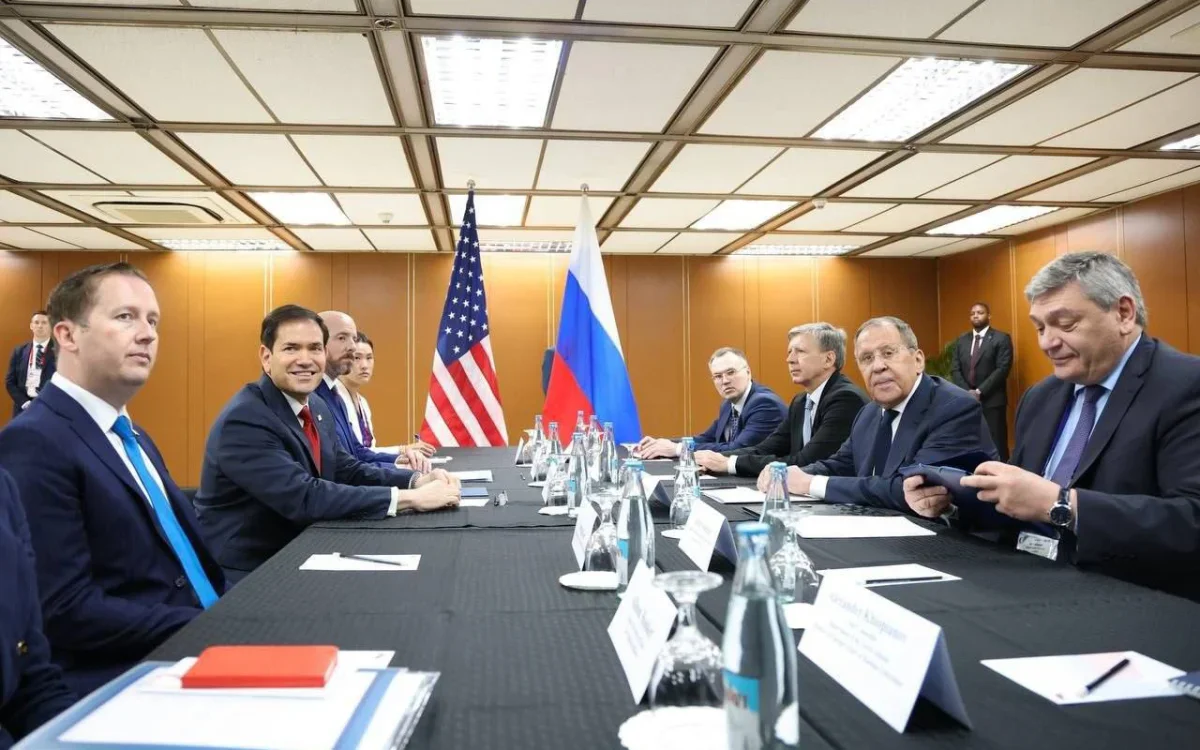
The New Strategic Arms Reduction Treaty (New START), the final remaining agreement regulating US-Russian strategic stability, is set to expire on February 5, 2026.
Operative Information Center-OMM reports that for the first time since the initial US-Soviet disarmament agreements were reached in 1972, the United States and Russia—possessors of the world's largest nuclear arsenals—will have no binding treaty in place to manage them.
Signing and ratification
The New START Treaty was signed by the presidents of Russia and the United States on April 8, 2010, in Prague. Its official name is the Treaty between the United States of America and the Russian Federation on Measures for the Further Reduction and Limitation of Strategic Offensive Arms. The ratification documents were exchanged on February 5, 2011, in Munich, replacing the previous START-1 and SORT agreements.
Key provisions and duration
The treaty mandated that both sides limit their deployed intercontinental ballistic missiles (ICBMs), submarine-launched ballistic missiles (SLBMs), and heavy bombers to 700, with nuclear warheads capped at 1,550. While the agreement provided for mutual inspections of military nuclear facilities to ensure compliance, Russia reached its performance criteria by February 5, 2018, and the US by September 2017. Originally set for ten years, both nations utilized an option in 2021 to extend the pact until February 5, 2026.
Suspension and current status
The treaty faced a major crisis in February 2023 when Russian President Vladimir Putin announced the suspension of Russia's participation. This followed a 2022 decision to close facilities to inspections, which Moscow attributed to Western sanctions and visa restrictions that allegedly created unilateral advantages for Washington. Despite the suspension, both the Russian Ministry of Defense and the US have expressed intentions to adhere to the treaty's quantitative limits until its expiration.
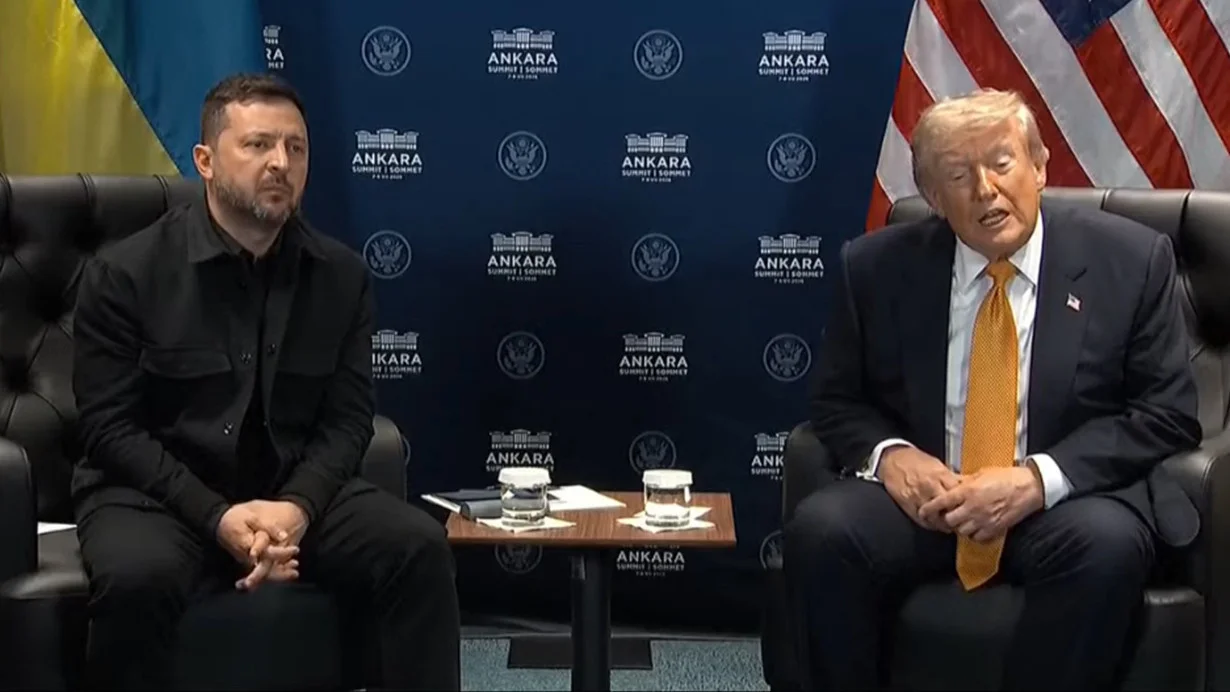
On September 22, 2025, President Vladimir Putin stated that Russia is prepared to observe the treaty's main restrictions for an additional year after its expiry, provided the US does the same. US President Donald Trump described the proposal as a "good idea," though no formal response has been issued from Washington.
Perspectives for a new agreement
In January 2026, US President Donald Trump indicated that the United States seeks a "better deal" involving other global players, specifically aiming to include China in future frameworks. However, Beijing has resisted participation, citing the disparity in arsenal sizes. Meanwhile, Moscow maintains that any new deal must account for the nuclear capabilities of France and the United Kingdom.
According to the Stockholm International Peace Research Institute (SIPRI), as of January 2025, Russia and the United States collectively held approximately 90% of the world's nuclear weapons, with Russia possessing 4,309 warheads and the US holding 3,700. In comparison, China's arsenal was estimated at 600 warheads, while France and the UK held 290 and 225, respectively. The expiration of New START without a successor marks a significant shift in the global security architecture that has defined the post-Cold War era.