 OMM Redaksiyası

Iran is prepared to restrict or completely halt its nuclear program in an effort to reach a potential agreement with the United States and reduce regional tensions. According to the Operative Information Center-OMM, citing a report by The New York Times (NYT), Tehran is considering the option of suspending or freezing its nuclear activities, marking a significant concession by the Iranian leadership.
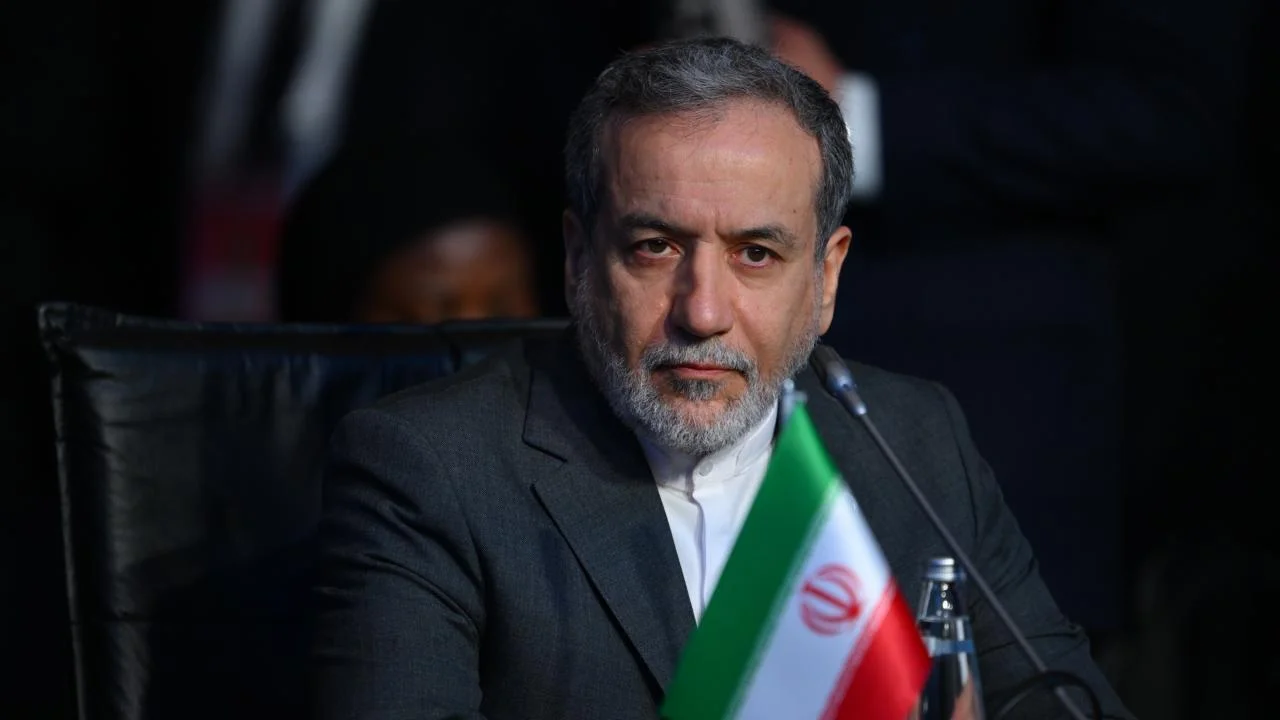
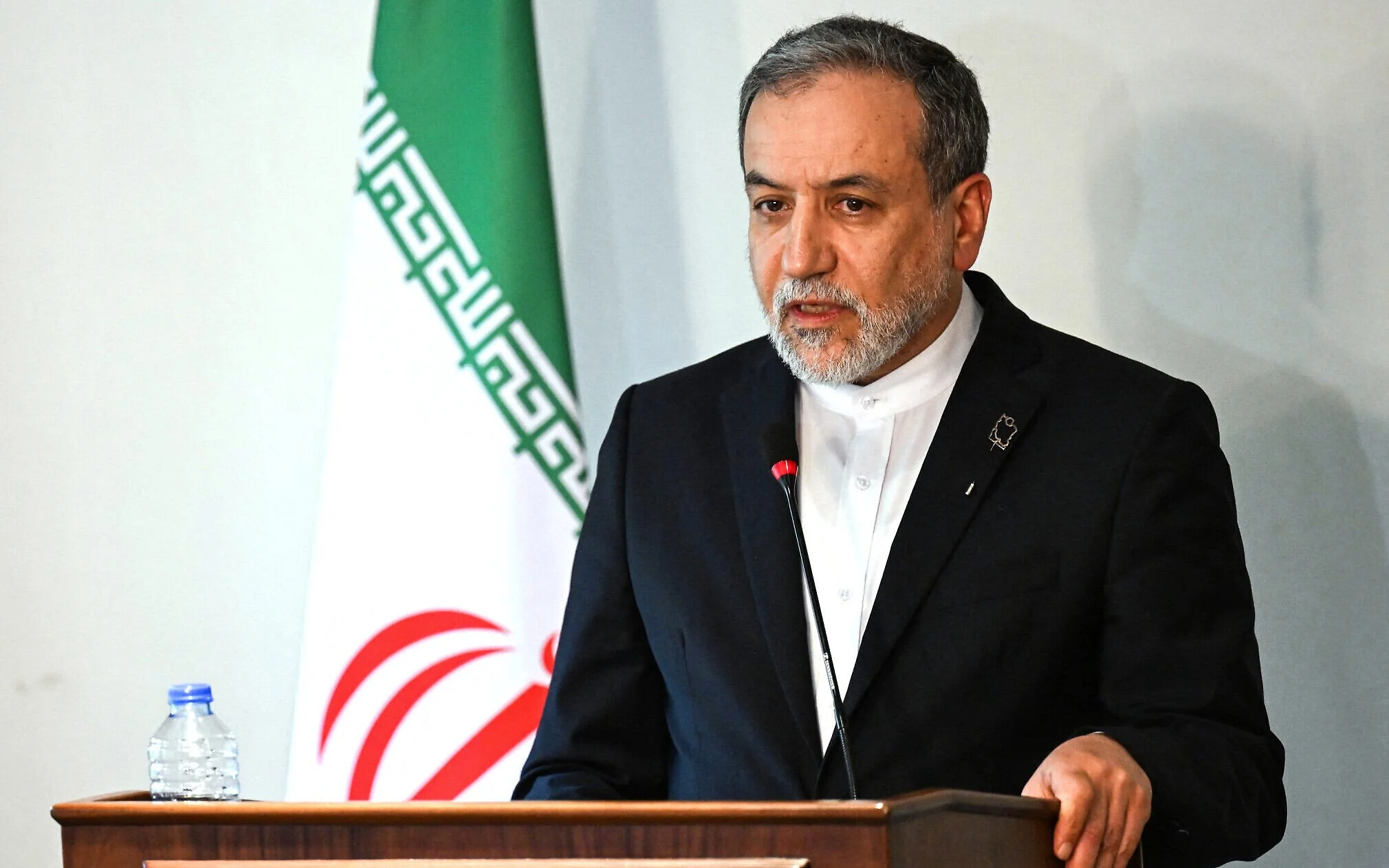
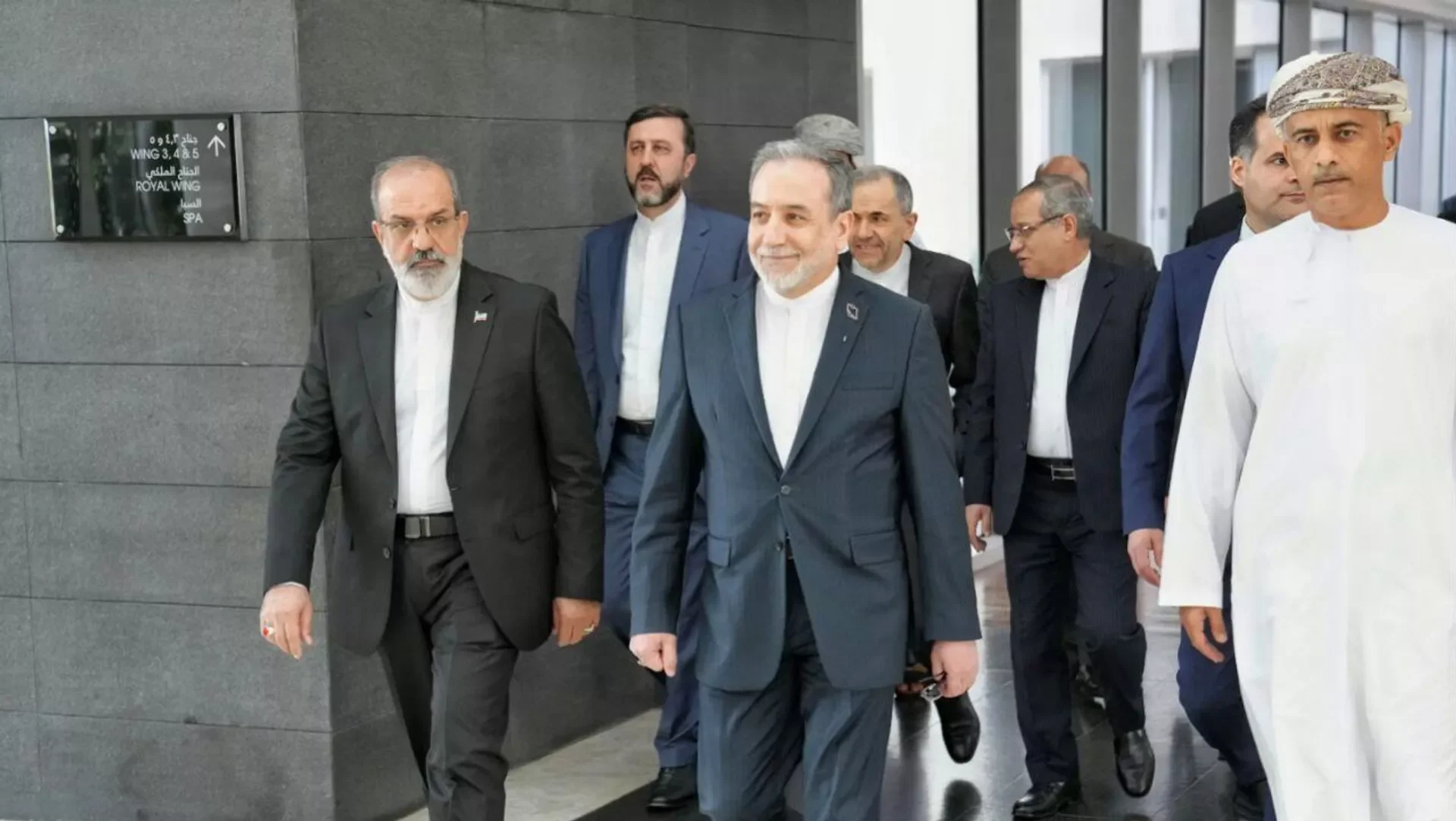
Sources indicate that the Iranian side is particularly interested in resolving the long-standing issue through the creation of a regional nuclear energy production consortium, which would include participation from the United States. According to confirmations from both U.S. and Iranian officials, Iranian Foreign Minister Abbas Araghchi and Steven Witkoff, the special representative of the U.S. President, have been in direct communication via correspondence ahead of nuclear negotiations scheduled for February 6 in Istanbul.
The upcoming meeting in Turkey is expected to include Jared Kushner, the son-in-law of the U.S. President and a prominent businessman, alongside high-ranking officials from Turkey, Qatar, and Egypt. This diplomatic push follows a statement by US President Donald Trump on January 26, in which he announced that a "massive armada" of the U.S. Navy had been dispatched toward Iran. US President Donald Trump expressed hope that Tehran would return to the negotiating table to agree on a "fair and equitable" deal involving the total renunciation of nuclear weapons, noting that Iranian representatives are already engaged in "serious talks" with the U.S. side.
The Joint Comprehensive Plan of Action (JCPOA), originally reached in 2015, has faced years of instability following previous shifts in American foreign policy. The current escalation of diplomatic efforts in Istanbul represents a critical juncture for Middle Eastern security and global non-proliferation efforts. Azerbaijan, which shares a border with Iran and maintains strategic relations with the United States, closely monitors these developments as regional stability remains a primary pillar of Baku's foreign policy and the broader security of the South Caucasus.