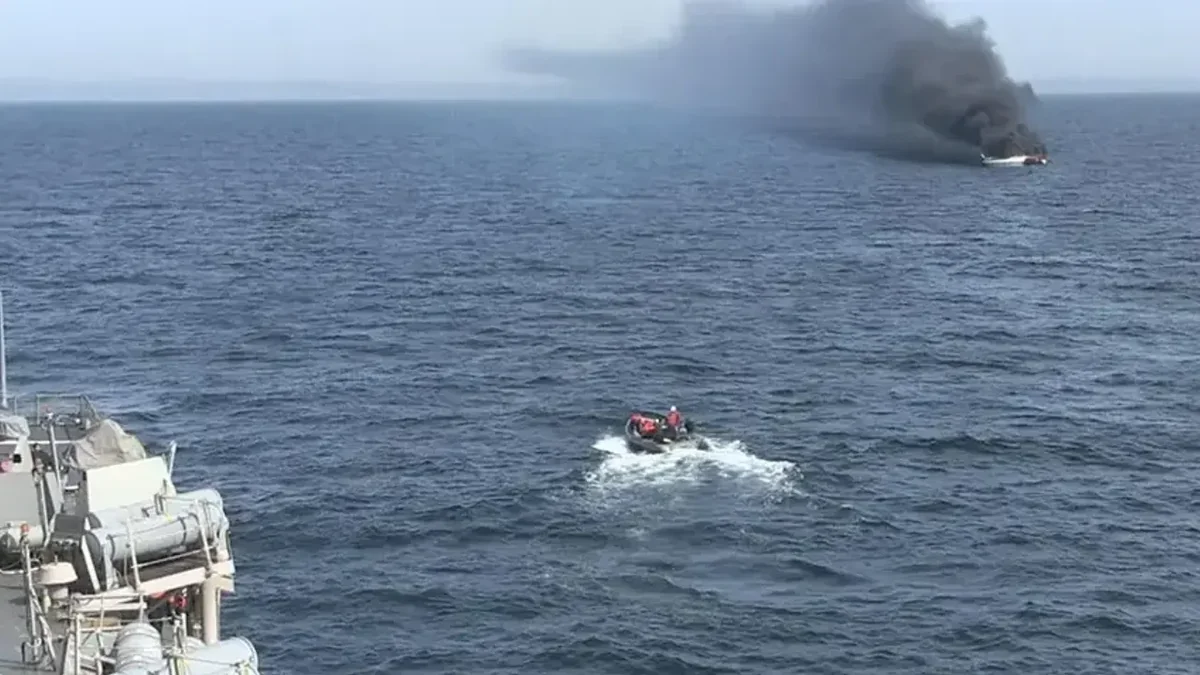
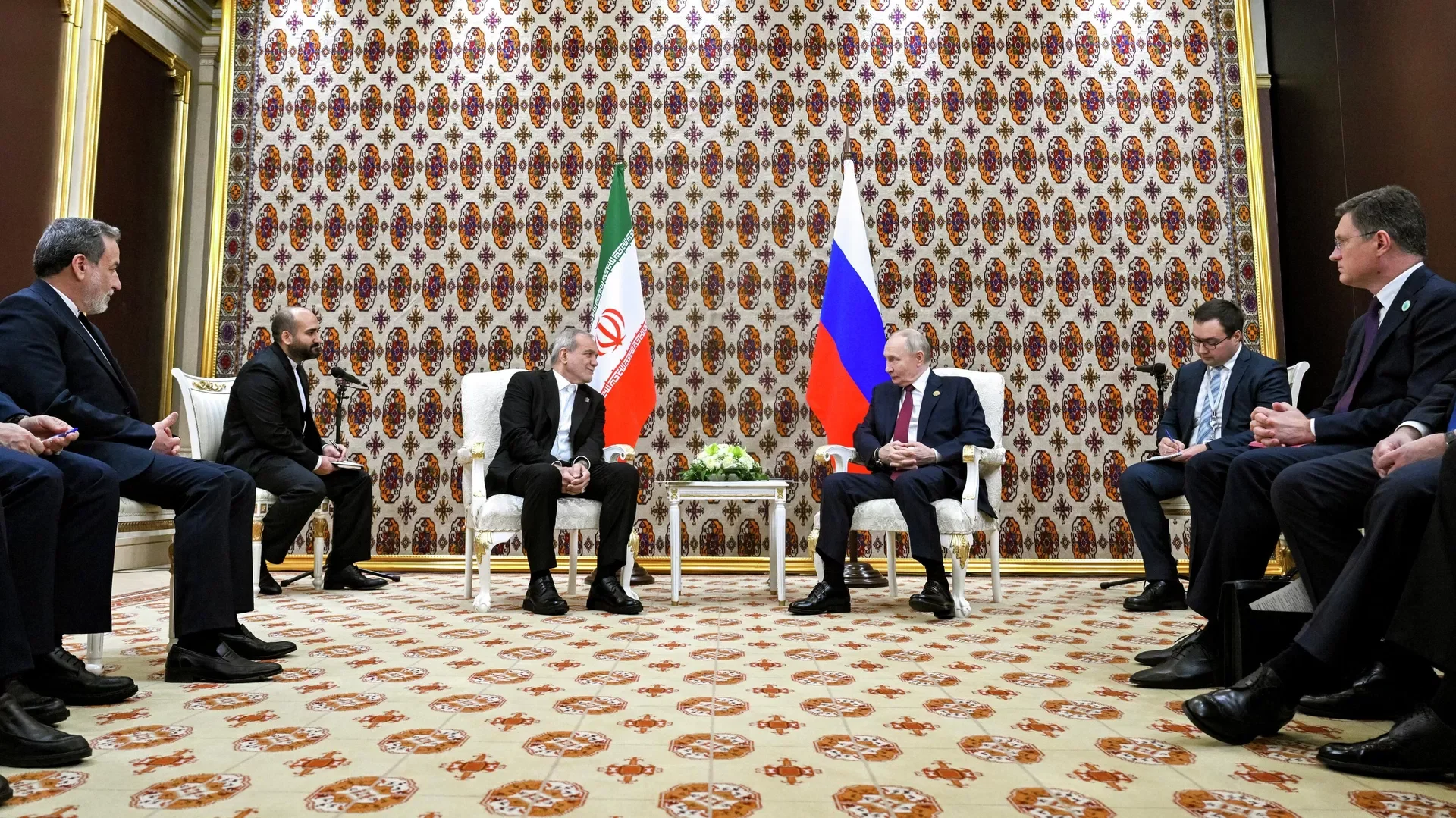
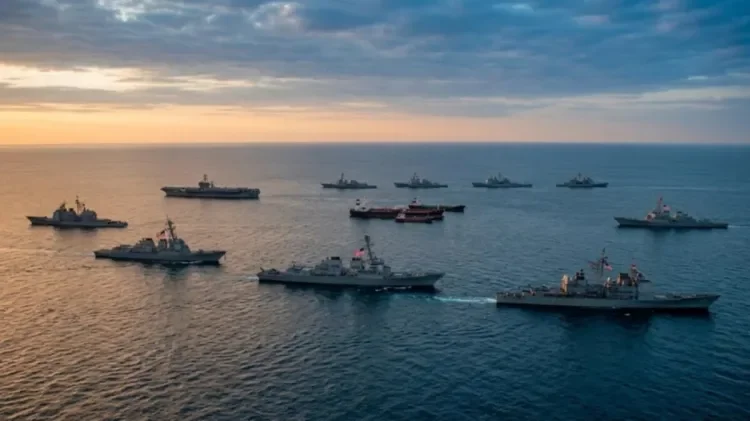
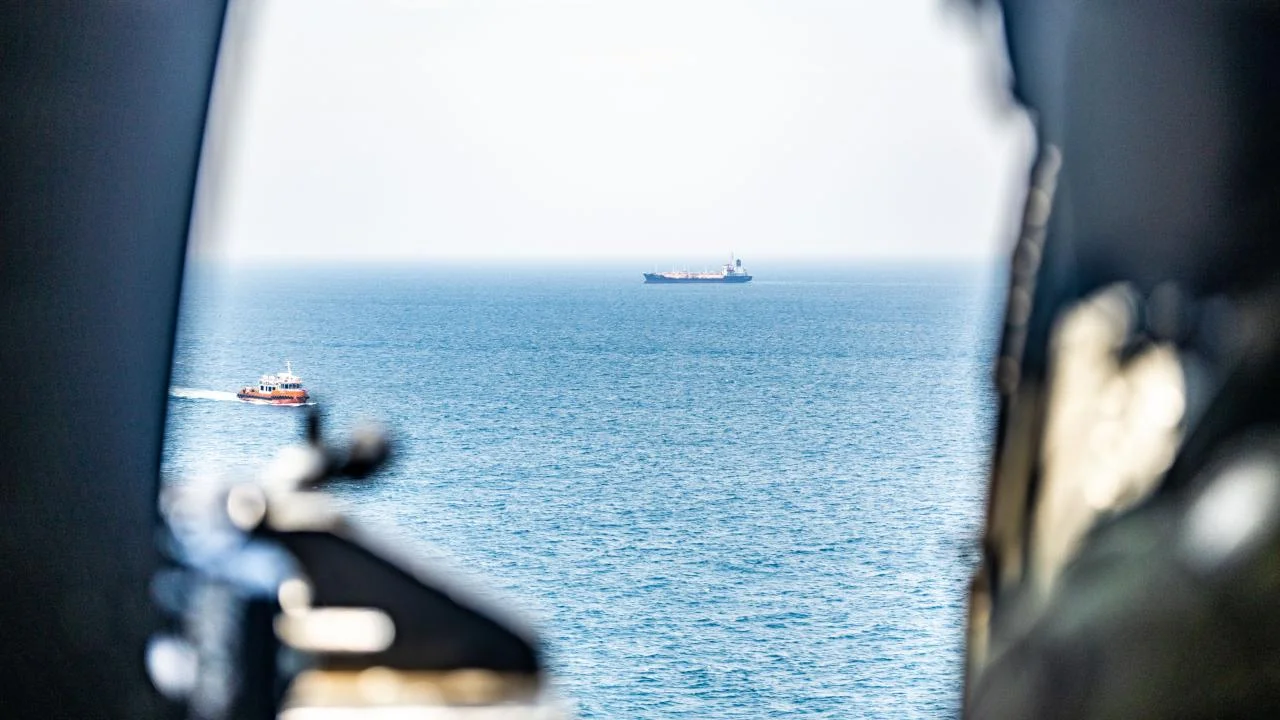
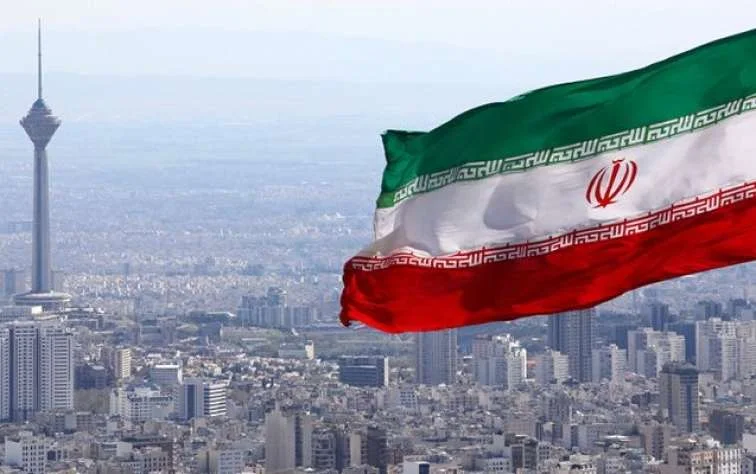
Iran has not yet granted its consent for the next round of negotiations with the United States, following recent statements by US President Donald Trump regarding a potential naval blockade of the country. Tehran has reportedly communicated this stance through diplomatic channels, signaling a significant cooling in the dialogue process between the İslamic Republic and Washington.
According to Operative Information Center-OMM, citing Iranian media sources, the refusal stems from what Tehran describes as "exaggerated demands" from the American side. "Due to US President Donald Trump's statements on a naval blockade, as well as the excessive nature of American requirements during the talks, Iran has not yet agreed to the next round," the source stated. The Iranian side emphasized that Washington must abandon these inflated demands for talks to proceed, warning that it will not waste time on "tiring and useless negotiations." This message was reportedly conveyed to the US side via Pakistani mediators, who have historically facilitated communication between the two nations.
The current tension comes amid a period of heightened geopolitical friction in the Middle East, where maritime security and economic sanctions remain central points of contention. Pakistan has frequently served as a diplomatic conduit between Washington and Tehran in the absence of formal diplomatic relations, helping to manage crises in the Persian Gulf. US President Donald Trump's administration has consistently maintained a hardline stance to curb Iran's regional influence, while Tehran continues to demand the lifting of economic restrictions as a prerequisite for any long-term diplomatic settlement.