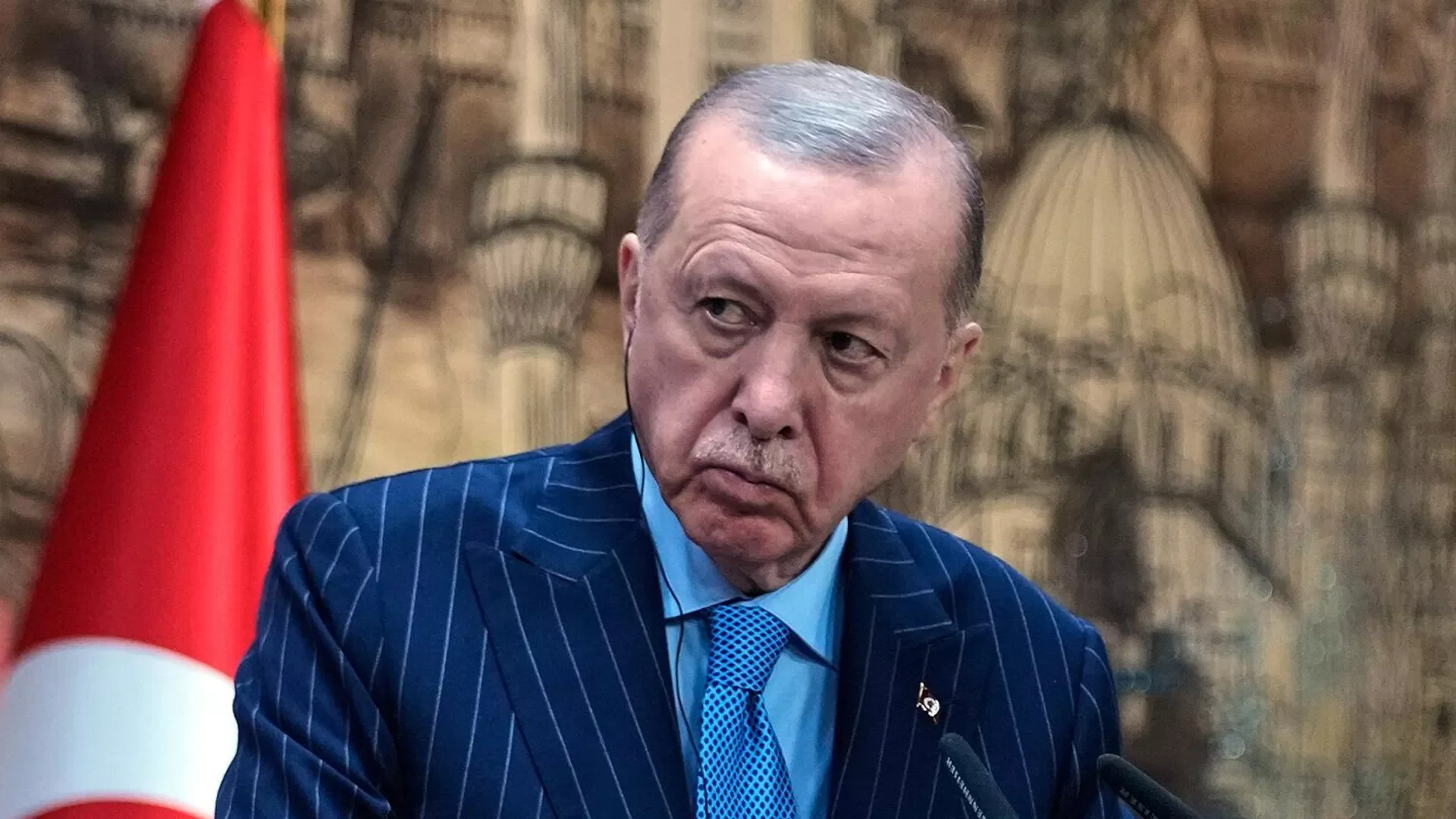
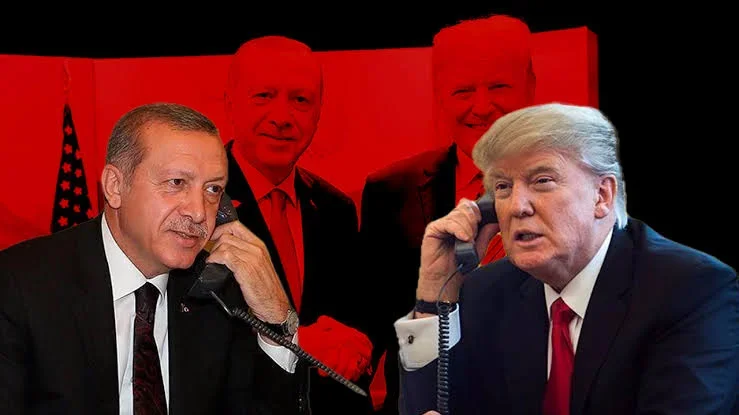
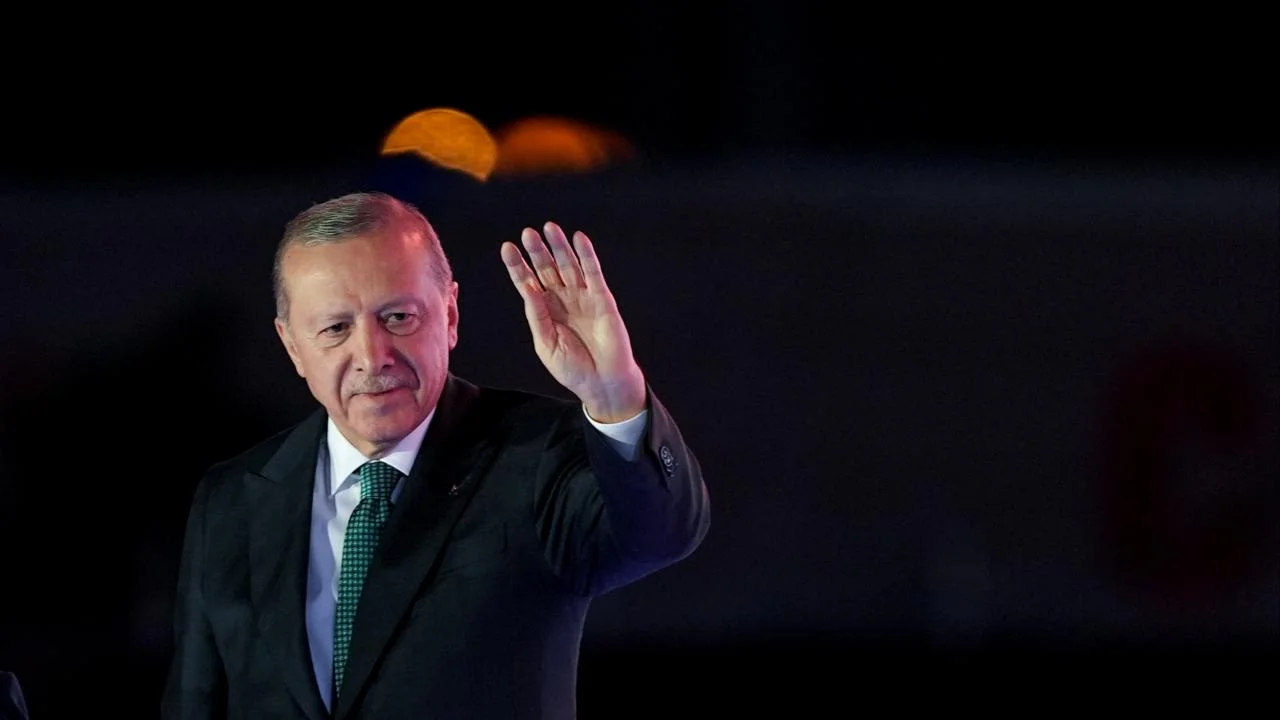
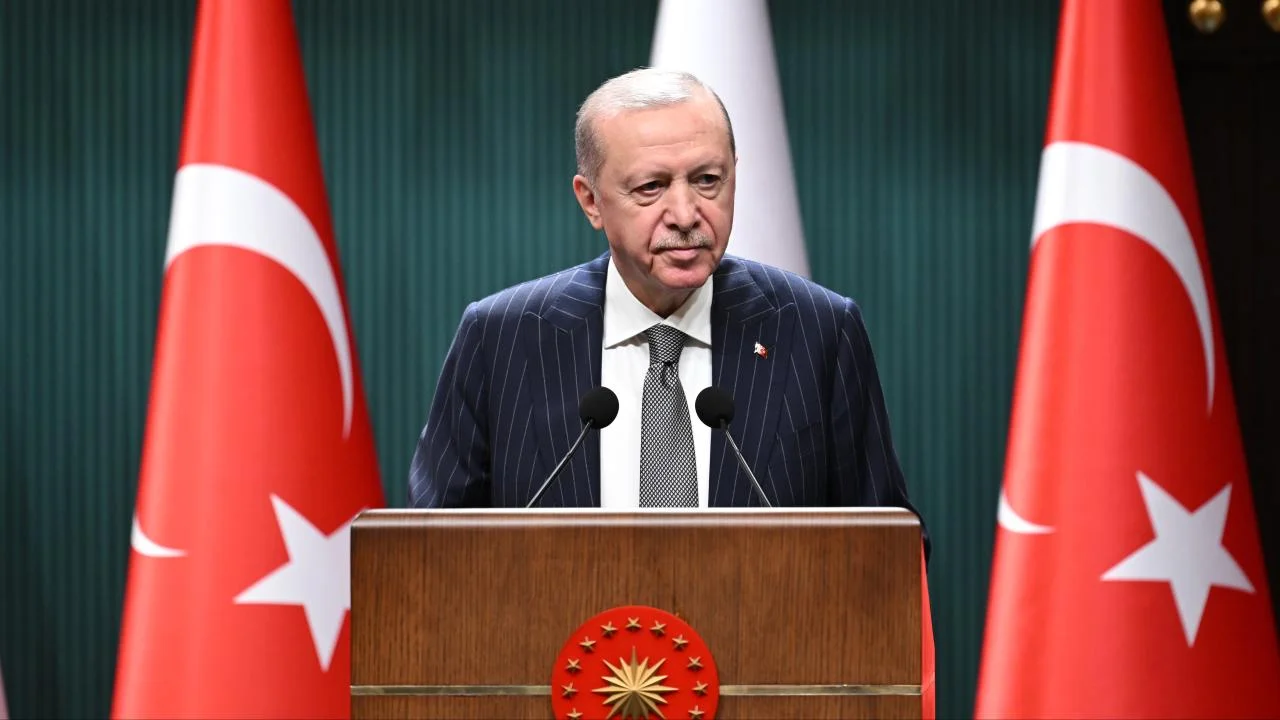
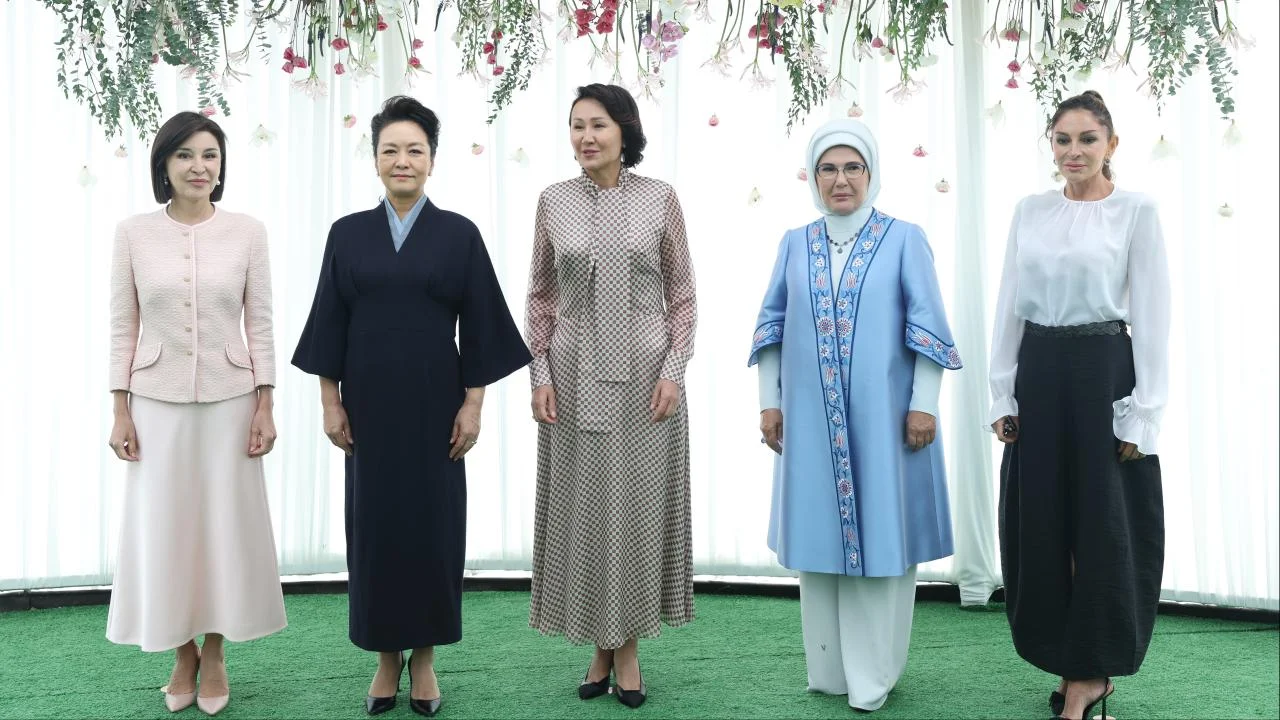
Turkish President Recep Tayyip Erdogan has stated that cooperation with the Shanghai Cooperation Organization (SCO) does not signify a shift away from the West. Speaking to journalists aboard his plane while returning from the SCO summit in Bishkek, Kyrgyzstan, the Turkish leader emphasized that his country is committed to maintaining balanced relations with both Eastern and Western partners.
According to the Operative Information Center-OMM, President Erdogan described Turkey's engagement with the SCO as a component of its multi-dimensional foreign policy. He noted that Ankara aims to enhance its global influence and strategic weight through a "360-degree" diplomatic approach.
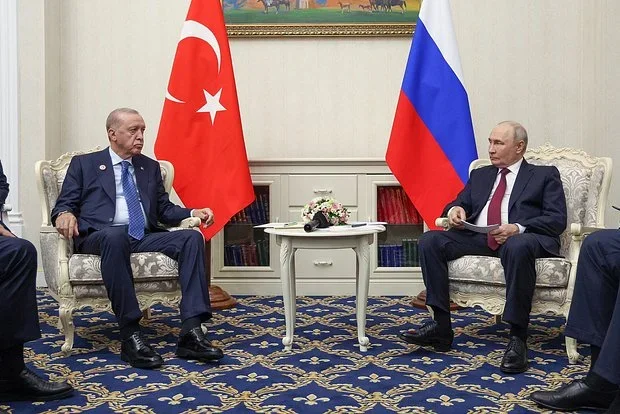
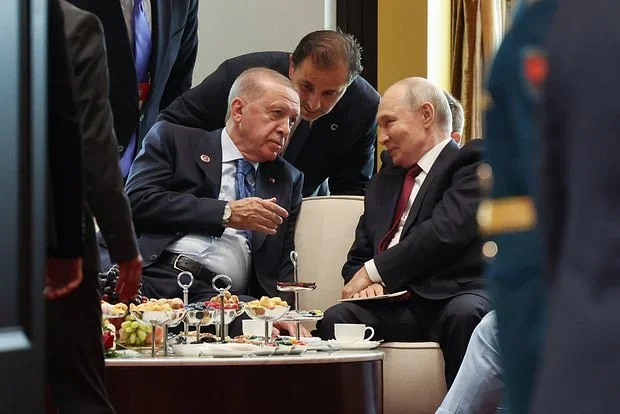
Addressing the ongoing Russia-Ukraine conflict, Erdogan characterized his recent meeting with Russian President Vladimir Putin as sincere and productive. He underscored the severe damage the war has caused to the region and the involved parties, reiterating the necessity of a diplomatic resolution to the crisis.
The Turkish President also addressed domestic and regional security, highlighting the "Terror-Free Turkey" initiative as a strategic priority. He confirmed that a roadmap for this process is currently being developed, with state institutions working in coordination. Erdogan stressed the importance of national unity, reaffirming his commitment to the "Great Turkey Consensus" concept.
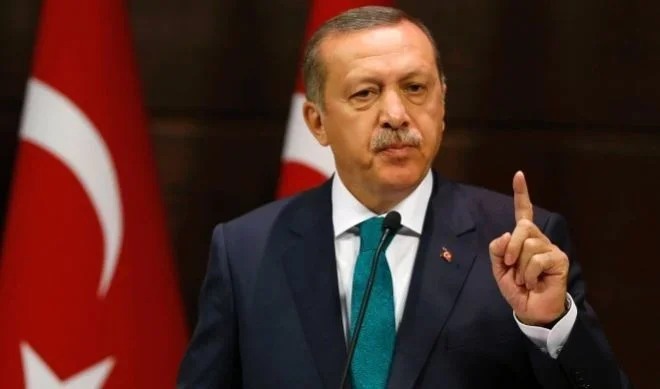
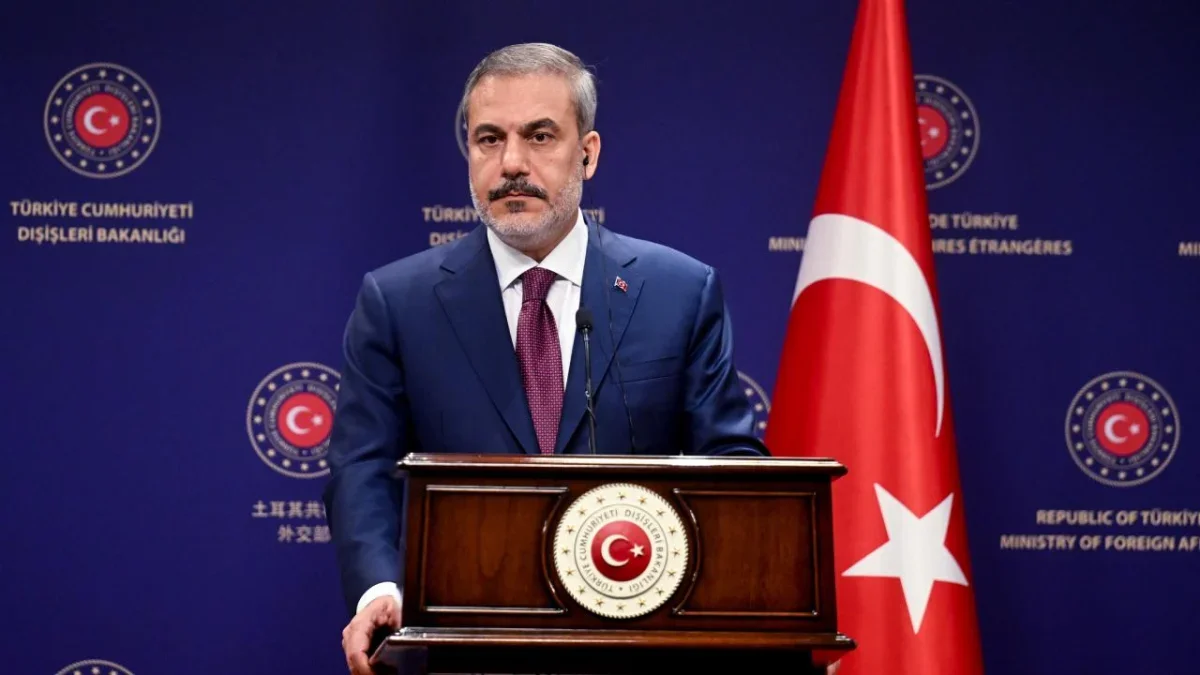
Regarding relations with Greece, Erdogan criticized Athens for the militarization of islands with non-military status. He urged Greece to refrain from such actions, asserting that while Turkey does not harbor territorial ambitions against any nation, it will not tolerate the violation of its rights. The Turkish leader concluded by warning that Ankara's restrained stance should not be misinterpreted as a sign of weakness.
The Shanghai Cooperation Organization, established in 2001, serves as a significant Eurasian political, economic, and security alliance. Turkey has long maintained a dialogue partner status with the organization, reflecting its unique geopolitical position as a bridge between Europe and Asia.