The rapidly intensifying El Nino weather phenomenon could leave approximately 50 million people facing acute hunger by the end of next year. The UN World Food Programme (WFP) issued a warning regarding the potential humanitarian impact of this climate event.
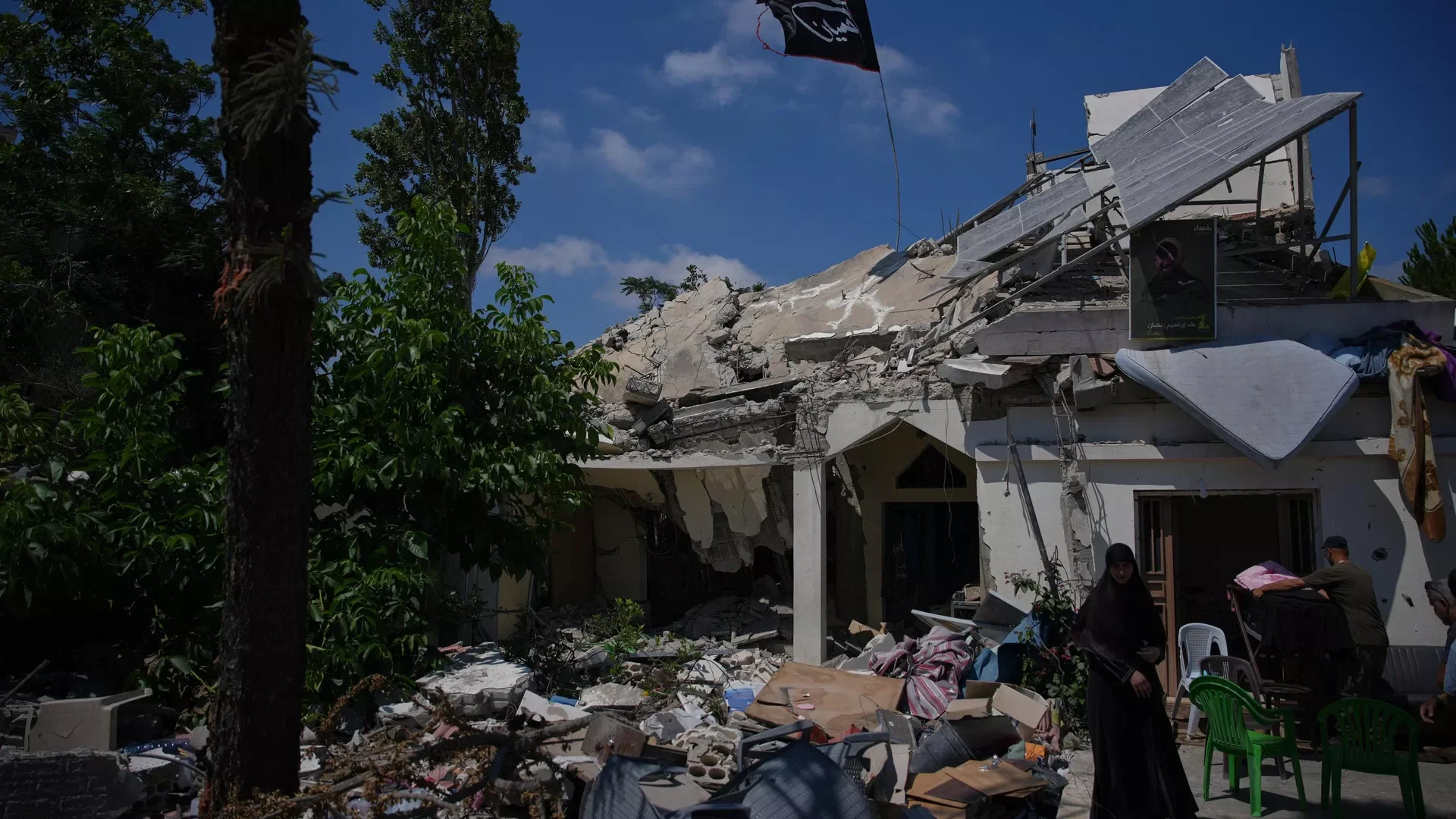
According to the Operative Information Center-OMM, the WFP reports that this situation will exacerbate the condition of millions already suffering from severe food shortages, compounded by long-standing droughts in parts of Africa and the impact of conflicts in the Middle East on food prices.
The WFP stated that even if El Nino is weaker than anticipated, its effects could trigger a serious humanitarian crisis in many countries. Projections indicate that the number of people suffering from acute food insecurity—currently estimated at 225 million across 45 nations—could rise by more than 20 percent.
Analyses suggest that Central and South America, the Caribbean, and Southern Africa will be the regions most severely affected by El Nino. In South and Southeast Asia, below-average rainfall is expected to create significant challenges for agriculture and farming sectors.
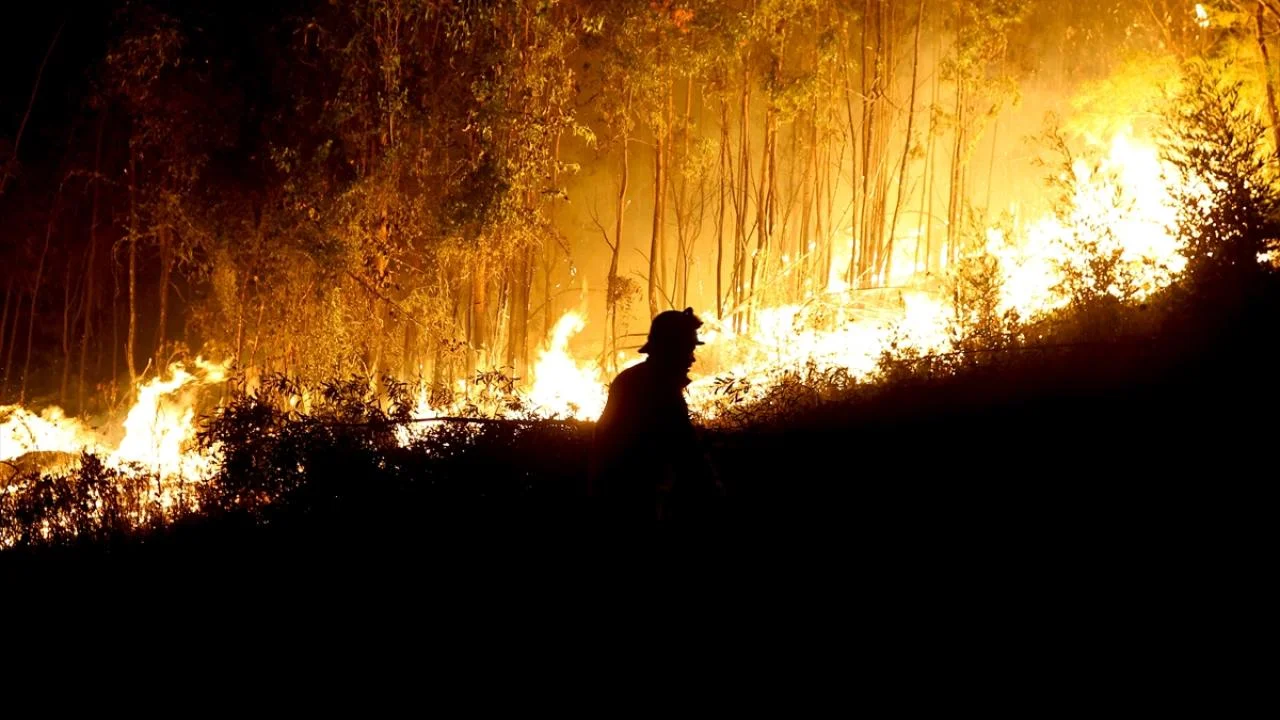
Experts note that El Nino, which forms in the Pacific Ocean every few years and alters global precipitation patterns, is expected to be one of the strongest events in the last 70 years. Its impacts are further amplified by ongoing climate change. Meteorologists suggest that the combination of a strong El Nino and global warming could make this year, or more likely 2027, the hottest year on record.
This WFP report is considered the first comprehensive study assessing the impact of El Nino on global hunger. The organization plans to allocate at least 80 million USD toward early warning systems and preemptive humanitarian measures to mitigate the effects of extreme weather events.
Historically, the 2015-2016 El Nino event resulted in 60 to 100 million people suffering from acute food shortages. While experts anticipate that the current weather patterns may be stronger, they remain hopeful that proactive measures will help limit the severity of the humanitarian impact.