 Afət Ziyadqızı

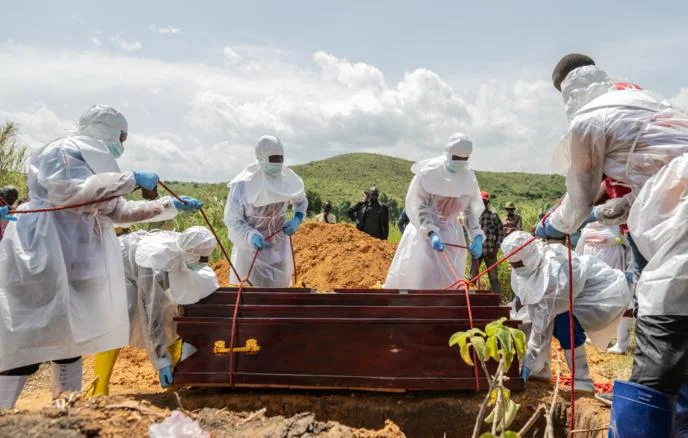
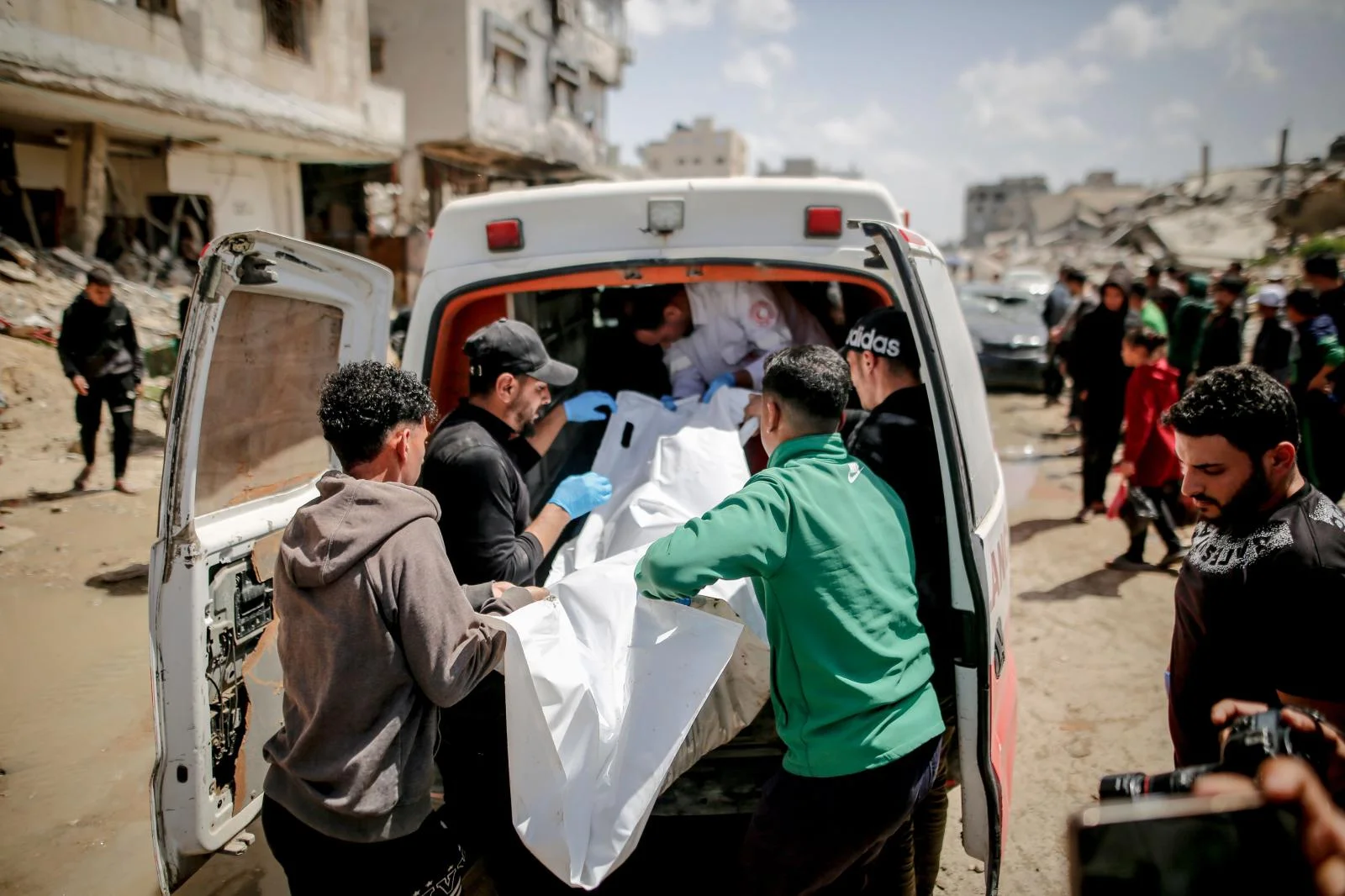
At least 26 more people have died from the Ebola virus in the Democratic Republic of the Congo (DRC) over the past 24 hours, bringing the total death toll in the country to 131.
According to Reuters, the Operative Information Center-OMM reports that 543 probable and 33 confirmed cases of Ebola have been recorded in the DRC to date. Additionally, two confirmed cases have been identified in neighboring Uganda. World Health Organization (WHO) Director-General Tedros Adhanom Ghebreyesus recently declared a public health emergency of international concern regarding the spread of the rare Bundibugyo virus strain.
Ebola virus disease, formerly known as Ebola hemorrhagic fever, is a severe and often fatal illness in humans. The virus is transmitted to people from wild animals and spreads through human-to-human transmission via direct contact with infected bodily fluids. The WHO notes that the average Ebola case fatality rate is approximately 50%, though rates have varied from 25% to 90% in previous outbreaks. This current emergency underscores the ongoing challenges in managing infectious diseases in regions with complex security and logistical environments.
In response to the outbreak, Uganda has begun implementing restrictions on land border crossings from the DRC. However, the WHO has urged neighboring countries not to close borders entirely, warning that such measures could lead to an increase in uncontrolled and illegal crossings, which would further complicate monitoring efforts.
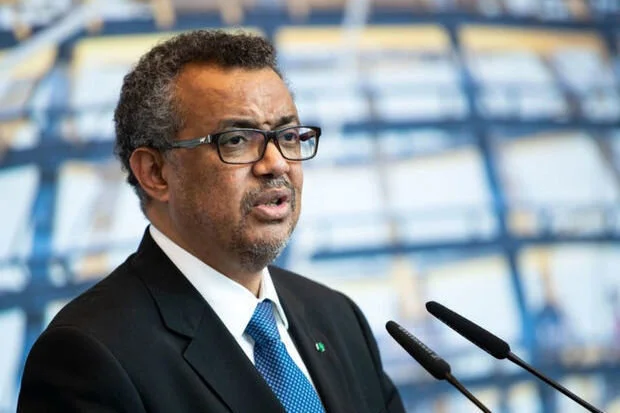
"The scale of the threat and the speed of its spread deeply concern me," Tedros Adhanom Ghebreyesus stated during the World Health Assembly in Geneva, emphasizing the need for a coordinated international response to contain the virus.