The death toll from the 7.8 magnitude earthquake that struck the Philippines on the morning of June 8 has risen to 37, with more than 20,000 people left homeless.
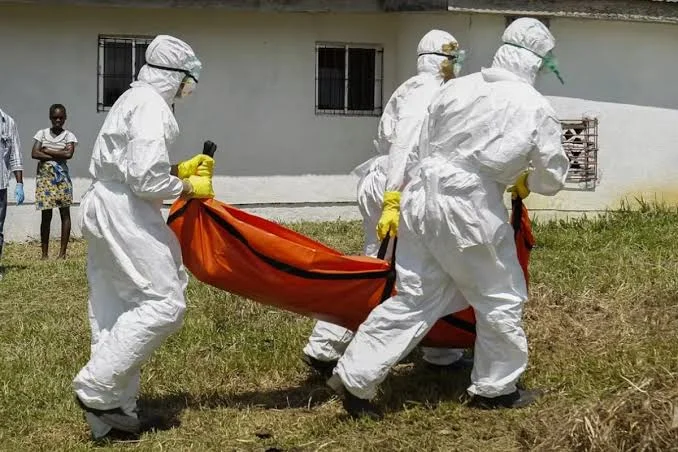
According to the Operative Information Center-OMM, citing reports from the Associated Press, approximately 500 people have sustained injuries of varying severity.
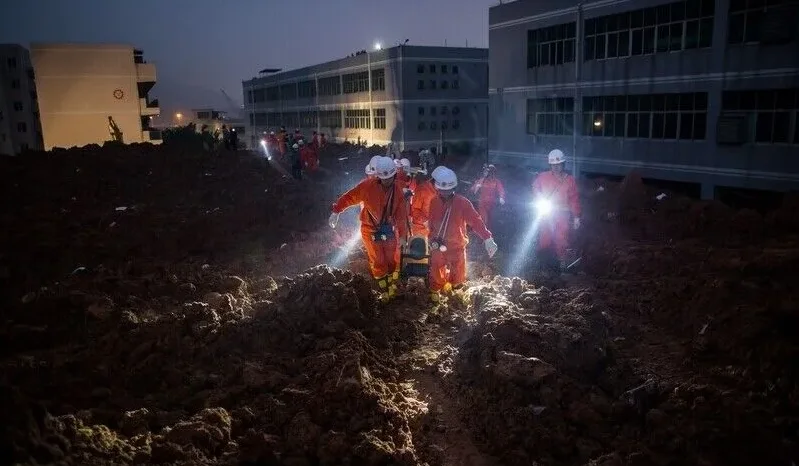
On June 9, rescue teams continued search and recovery operations in collapsed and severely damaged buildings to ensure no survivors remained trapped under the rubble. While four individuals are officially registered as missing, the Office of Civil Defense has emphasized the critical need to thoroughly inspect several collapsed structures to determine the status of potential survivors and confirm further casualties.
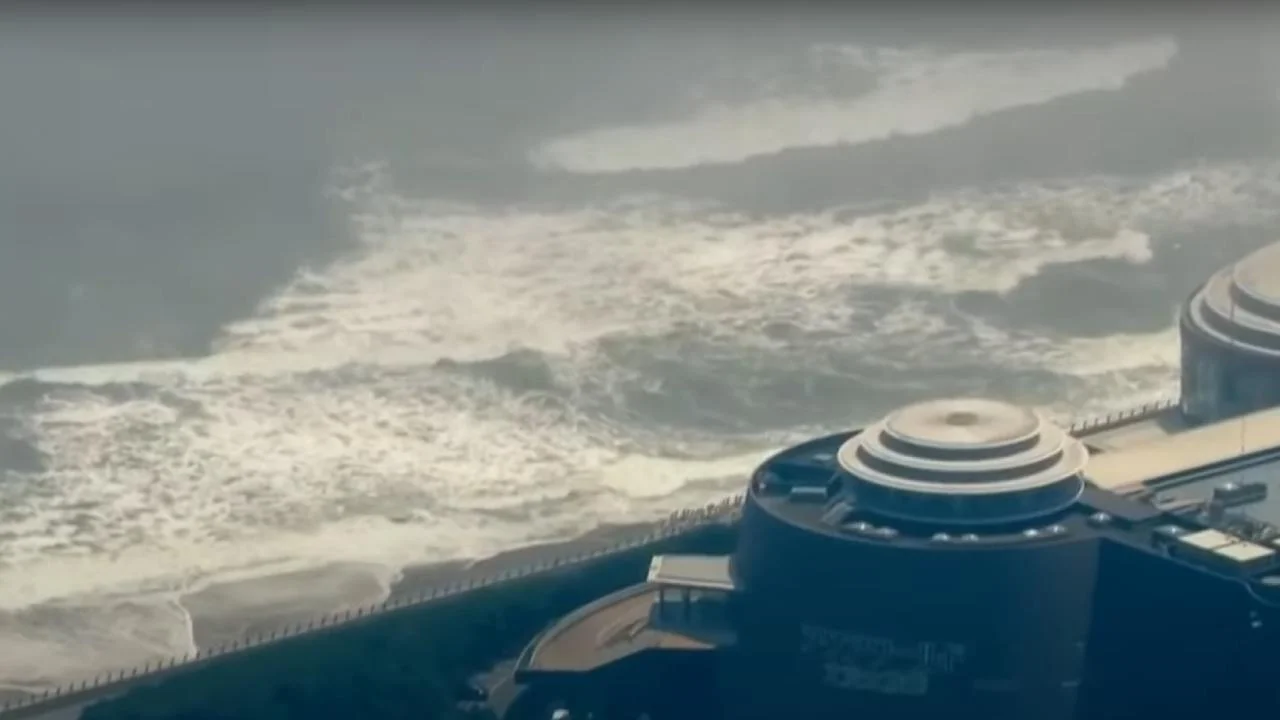
The earthquake's epicenter was located off the coast of Mindanao island. The seismic activity triggered tsunami warnings, forcing thousands of residents to evacuate their homes. Reports indicate that wave heights reached 1.4 meters along the Philippine coast, causing damage to several homes in coastal villages. Additionally, smaller tsunami waves were recorded along the coasts of Indonesia, Palau, and southern Japan.
The Philippines is located along the Pacific "Ring of Fire," an area known for frequent seismic and volcanic activity due to the movement of tectonic plates. Earthquakes of this magnitude often pose significant risks to infrastructure, necessitating robust disaster response protocols and international cooperation in the region.