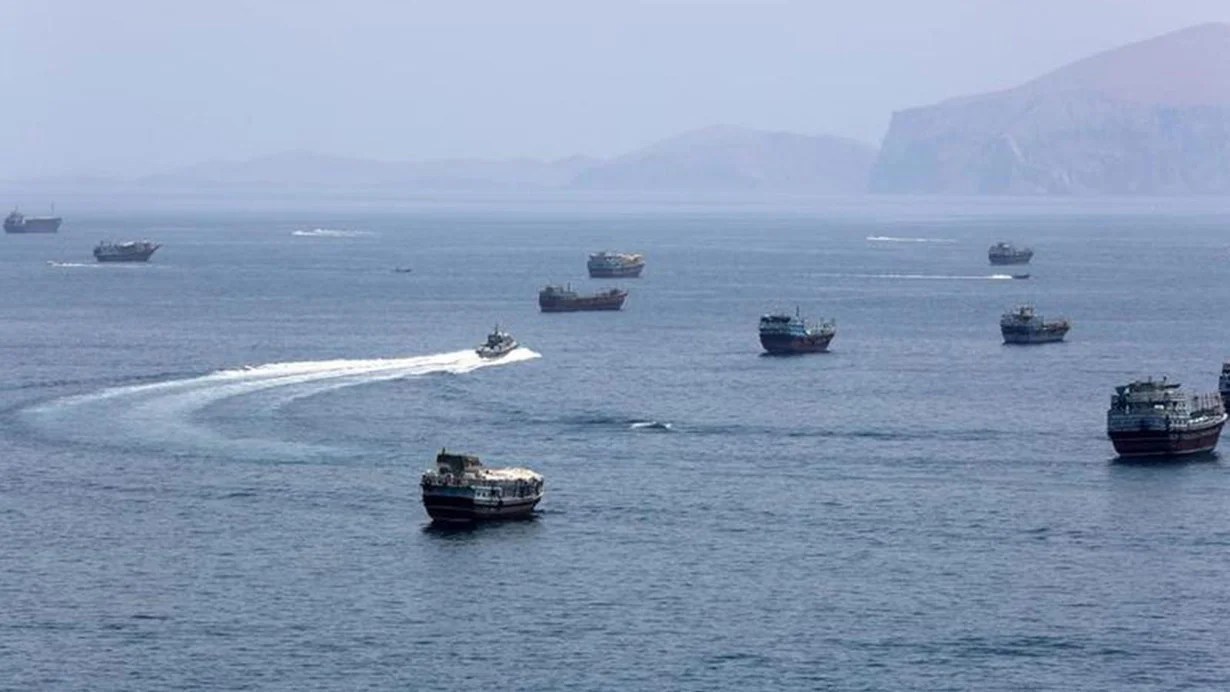
"Iran's demand for payments from vessels passing through the Strait of Hormuz could lead to similar scenarios in other parts of the world in the future."
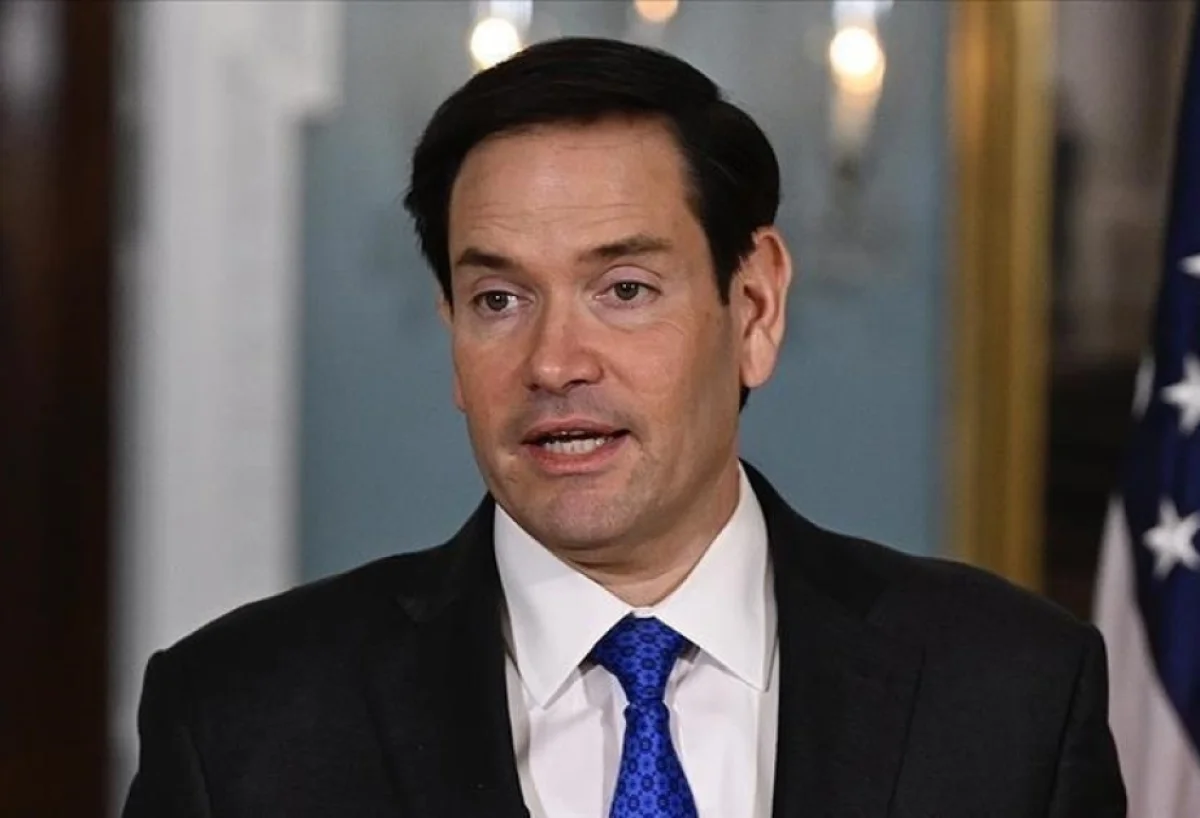
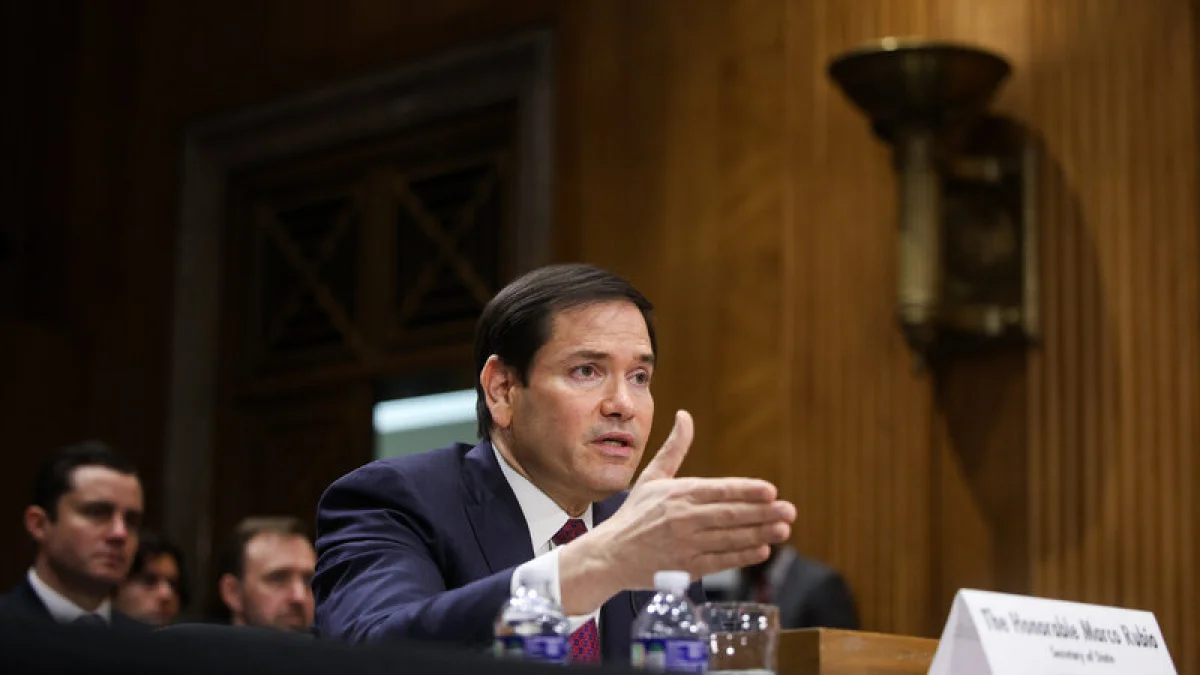
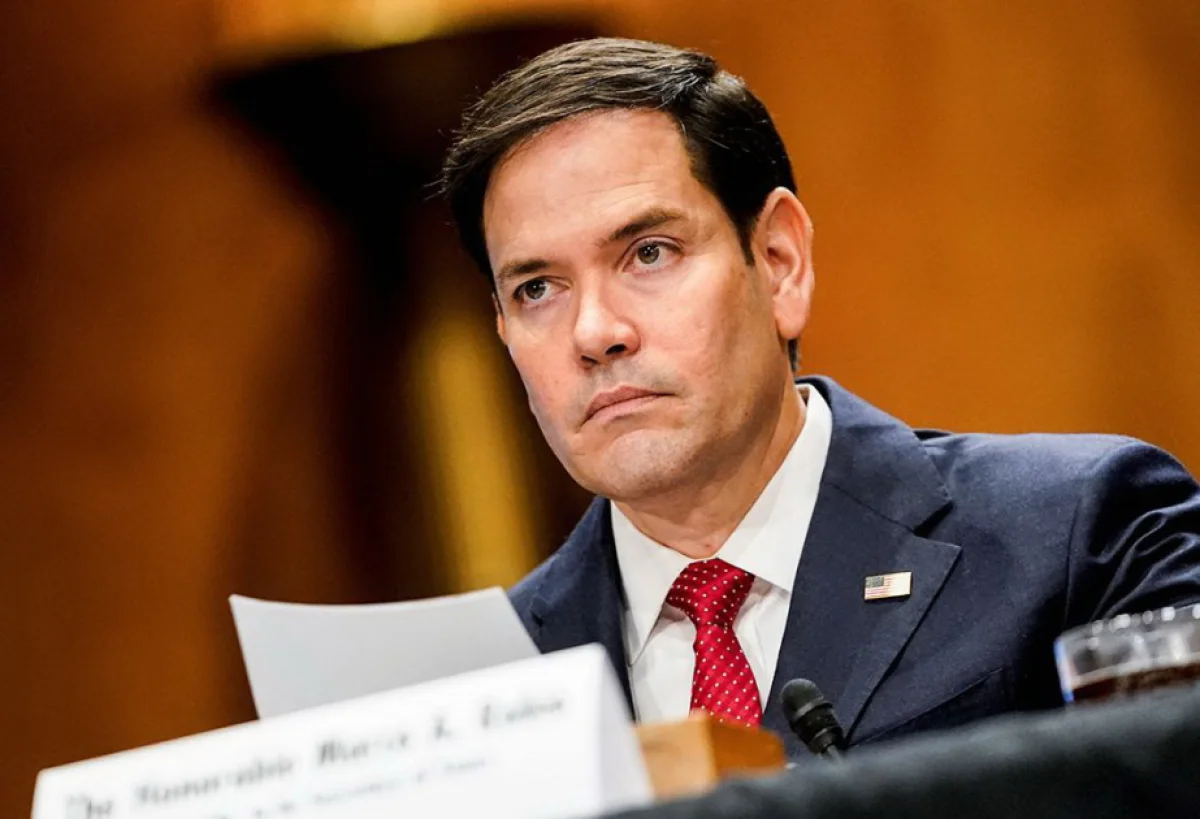
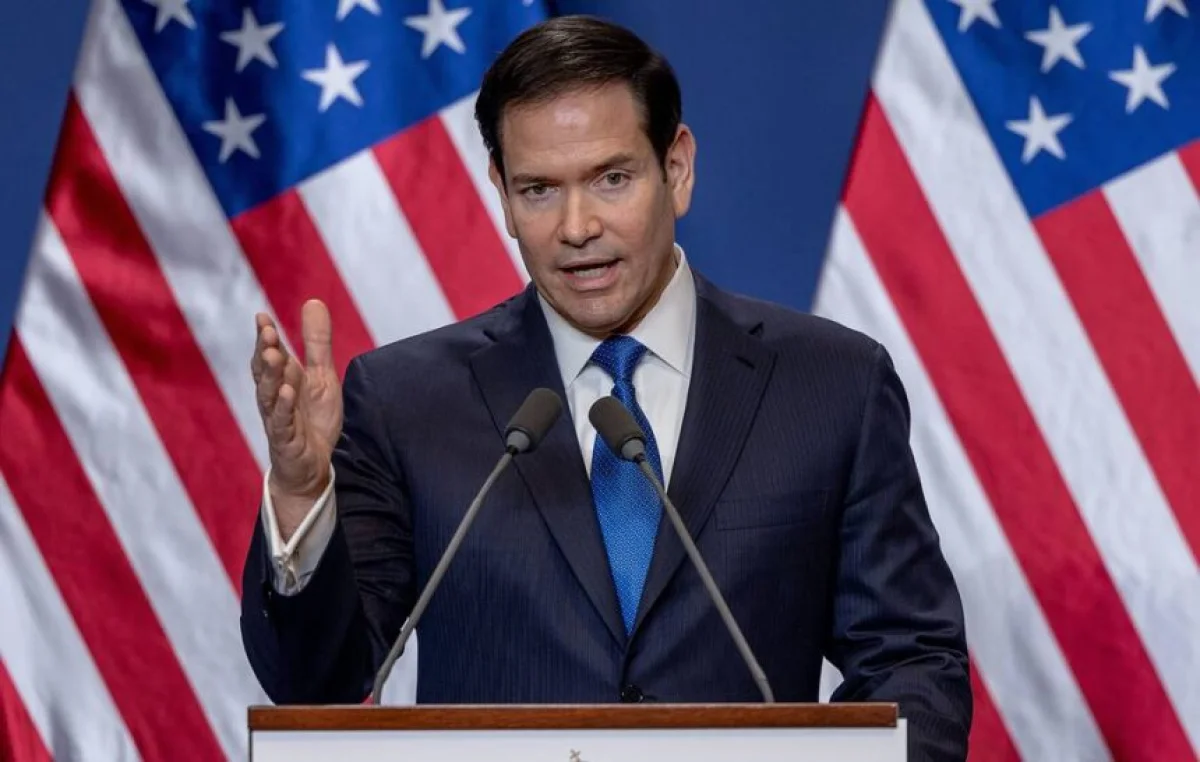
According to the Operative Information Center-OMM, this statement was made by US Secretary of State Marco Rubio.
According to Rubio, Iran possesses no legal basis under current international mechanisms to control shipping within the Strait of Hormuz. He emphasized that such actions undermine the fundamental principles of freedom of navigation.
"If it becomes a precedent for a state in the Middle East to control international maritime routes, levy transit fees on vessels, and use force against those who refuse to pay, this could be replicated in other regions, including the Asia-Pacific," Rubio stated. He warned that this situation poses a severe risk to the global economy and the rules-based order that has governed international trade for the past 150 years.
The Strait of Hormuz is a critical maritime chokepoint, through which a significant portion of the world's oil supply passes. Disruptions here have historically led to spikes in global energy prices and heightened geopolitical tensions.
Rubio also noted that Tehran has sent proposals to Washington regarding the resumption of negotiations, both directly and through intermediaries. However, he indicated that the US remains skeptical of Iran's sincerity in these overtures.
"If Iran demonstrates that it is serious about negotiations, the US will respond in kind. Otherwise, we will take the necessary steps to protect our interests and the security of our allies," Rubio added, while reiterating that the US remains open to participating in constructive and positive diplomatic dialogue.