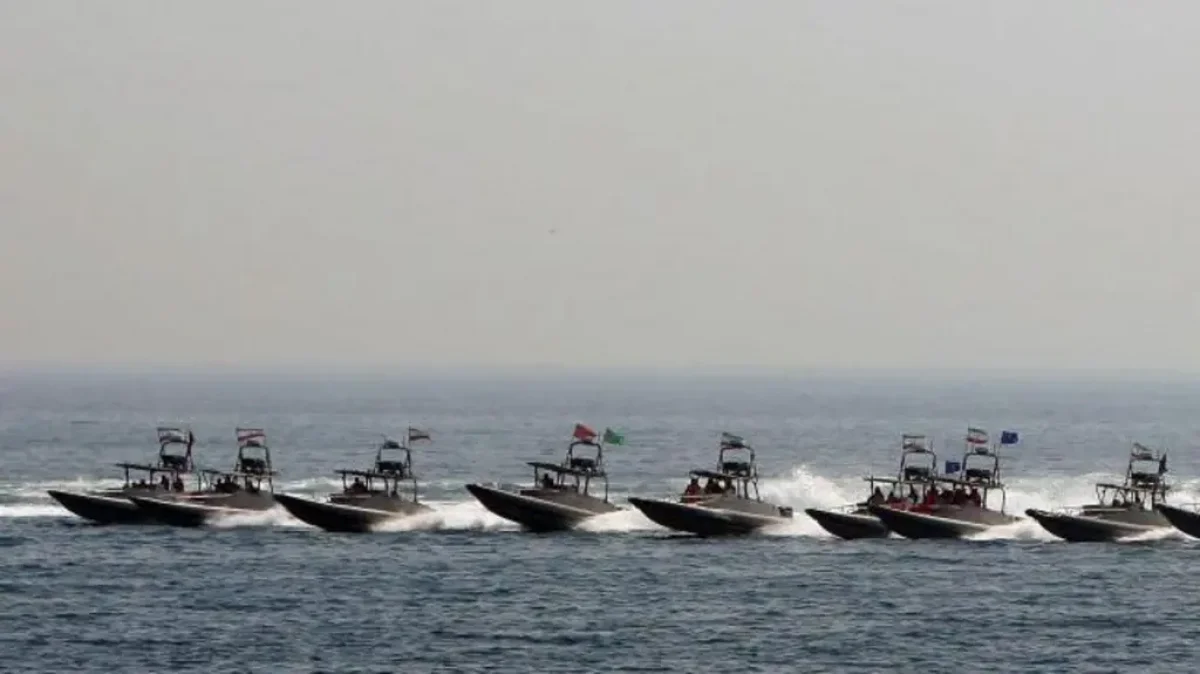
European leaders are increasingly concerned that the decision of Yemen's Ansar Allah (Houthi) movement to align its military actions with Iran could pose significant risks for the European Union.
The Brussels-based Euractiv portal reports that this strategic shift may inadvertently draw the European Union into a broader regional conflict, according to Operative Information Center-OMM.
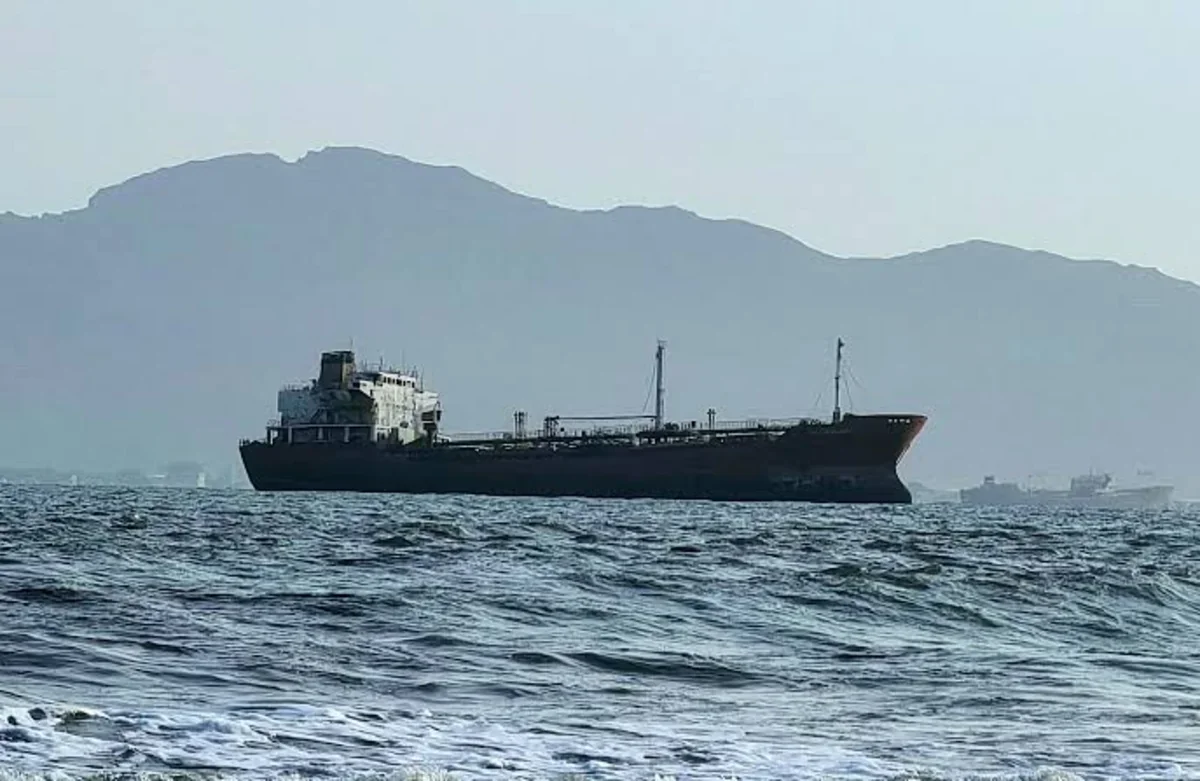
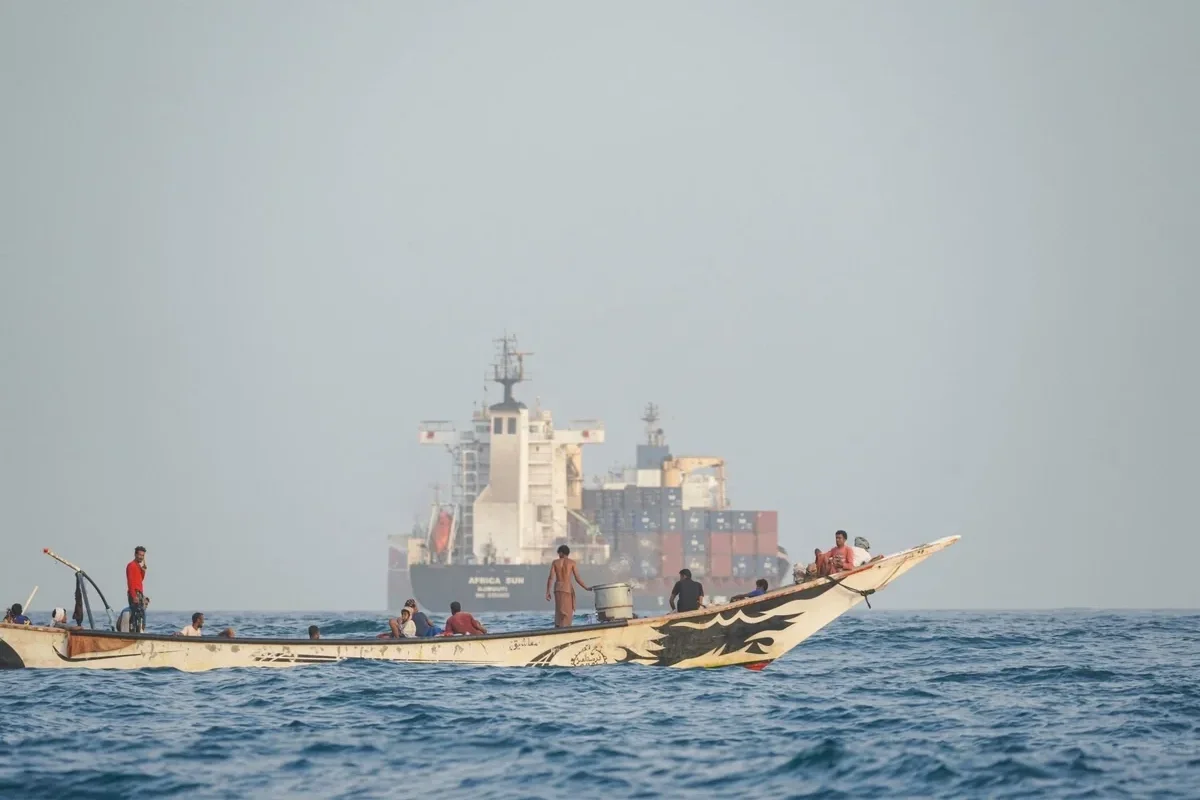
Since February 2024, the EU has been conducting Operation Aspides in the Red Sea region as a direct response to persistent attacks by Houthi rebels on maritime traffic. The mission has deployed between three and six naval vessels from various EU member states at different intervals, including frigates, destroyers, and minesweepers, to protect commercial shipping lanes.
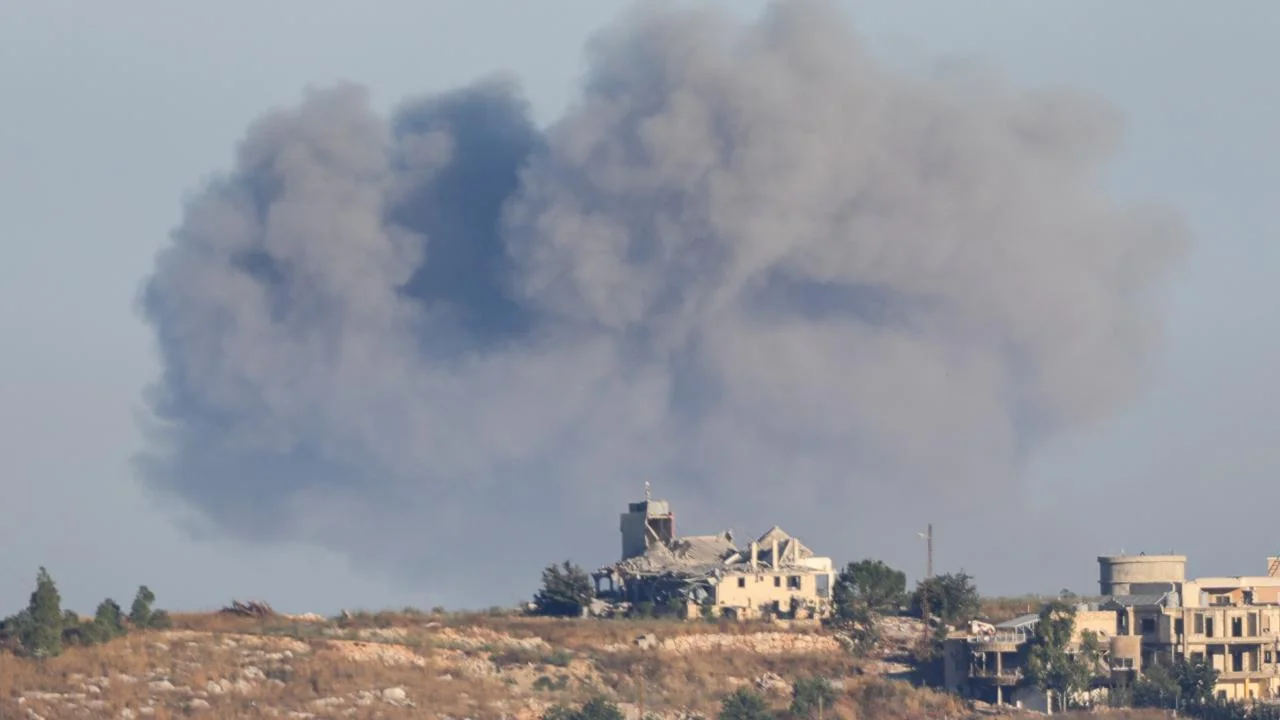
According to two European diplomats, the Houthis' deeper involvement in the confrontation with the United States and Israel threatens to further destabilize the already volatile situation in the Middle East. Brussels assessments suggest that a renewed surge in attacks on merchant vessels in the Gulf of Aden and the Red Sea is highly likely, which would have a detrimental impact on international trade and global supply chains.
Operation Aspides, which means "shield" in Ancient Greek, is a defensive maritime security operation aimed at restoring and safeguarding freedom of navigation in the Bab al-Mandab Strait and the Strait of Hormuz. The Red Sea is a vital artery for global commerce, handling approximately 12% of international trade. Any escalation in this corridor typically leads to increased shipping costs and delays, affecting energy and consumer goods markets across Europe and Asia.