The Australian government has announced that it does not intend to join potential US plans regarding a blockade of the Strait of Hormuz.
According to Operative Information Center-OMM, Matt Thistlethwaite, Australia's Assistant Minister for Foreign Affairs, stated in an interview with Sky News that Canberra remains firm in its position not to participate in such military or strategic blockades.
Thistlethwaite emphasized that the Australian government believes the most effective path toward resolving regional tensions is through diplomacy. "We believe that the best way to achieve lasting peace is to resolve this issue through negotiations," the official noted. He further expressed disappointment over the lack of progress in US-Iran communications and urged a resumption of constructive dialogue to ensure regional stability.
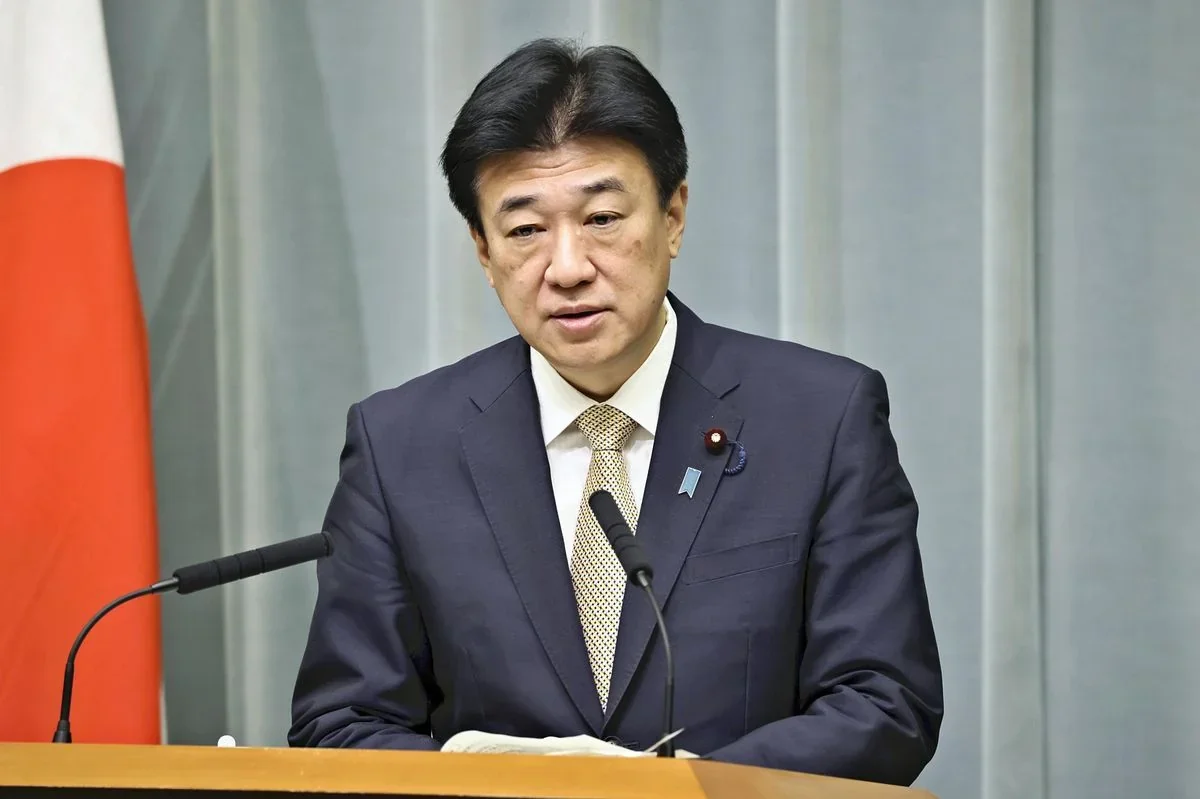
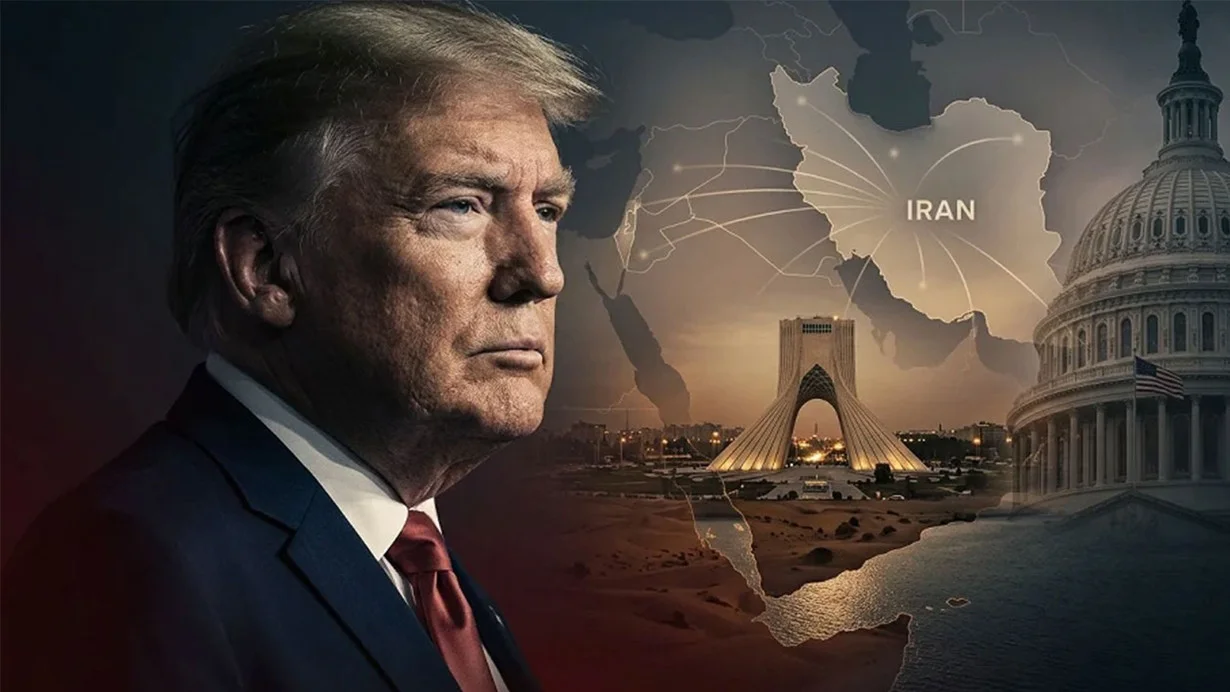
Australian Prime Minister Anthony Albanese also addressed the matter, clarifying that his country has not received any formal request from Washington regarding participation in such an operation. He added that official Canberra does not expect to be invited into this specific process. Meanwhile, Japan's Chief Cabinet Secretary Minoru Kihara indicated that Tokyo has also not made a decision regarding participation in the US-led initiative. These statements come after US President Donald Trump previously claimed that several NATO allies were willing to support Washington in its strategic maneuvers in the region.
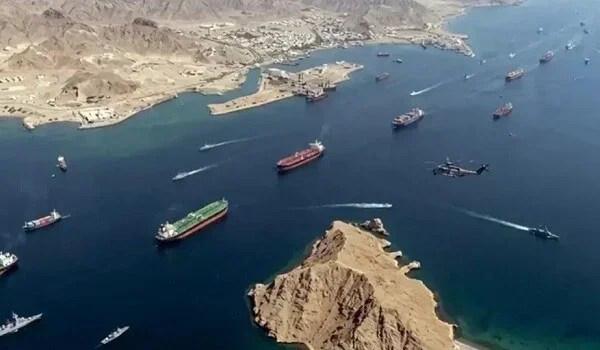
The Strait of Hormuz is one of the world's most vital maritime chokepoints, located between Oman and Iran. It connects the Persian Gulf with the Gulf of Oman and the Arabian Sea. Approximately one-fifth of the world's total oil consumption passes through the strait daily, making its security a matter of global economic importance. International tensions in the waterway often lead to fluctuations in global energy markets, prompting frequent discussions regarding maritime security and freedom of navigation.