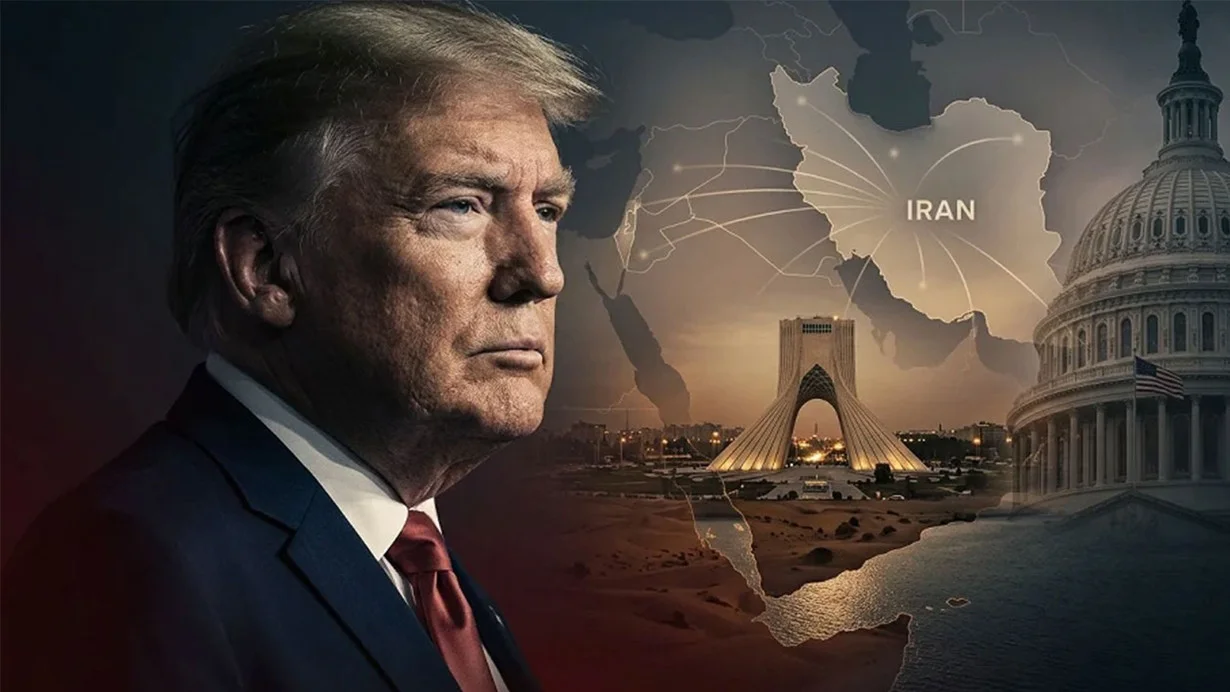
Foreign ministers of the Association of Southeast Asian Nations (ASEAN) have called on US President Donald Trump and the Iranian leadership to transform current ceasefires into a lasting peace to ensure the security of global energy and trade routes.
According to the Operative Information Center-OMM, citing reporting from Al-Jazeera, this strategic appeal emphasizes the critical importance of maintaining stability in one of the world's most vital maritime corridors.
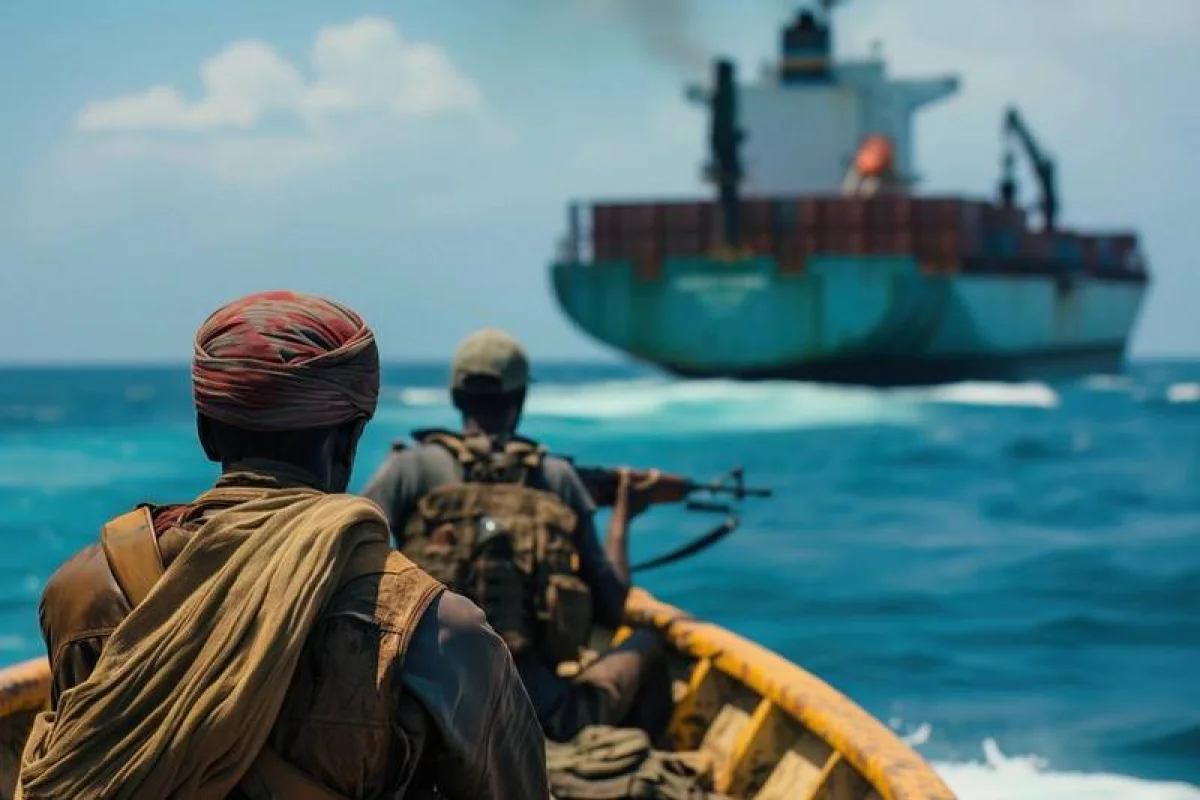
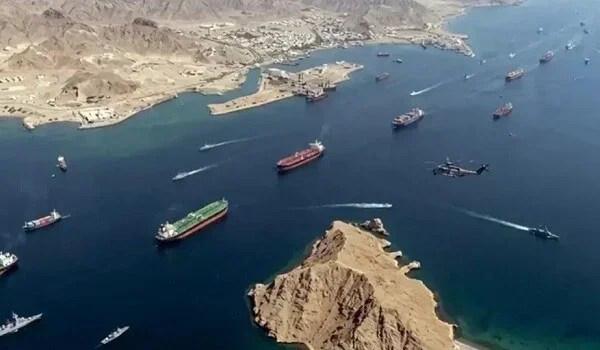
In a joint statement, the 10 member states of ASEAN highlighted the global significance of energy flows: "We call for the restoration of safe, unhindered, and continuous passage for sea and aircraft through the Strait of Hormuz. Furthermore, we urge all parties to ensure the safety of seafarers and vessels in accordance with the International Convention for the Safety of Life at Sea (SOLAS)."
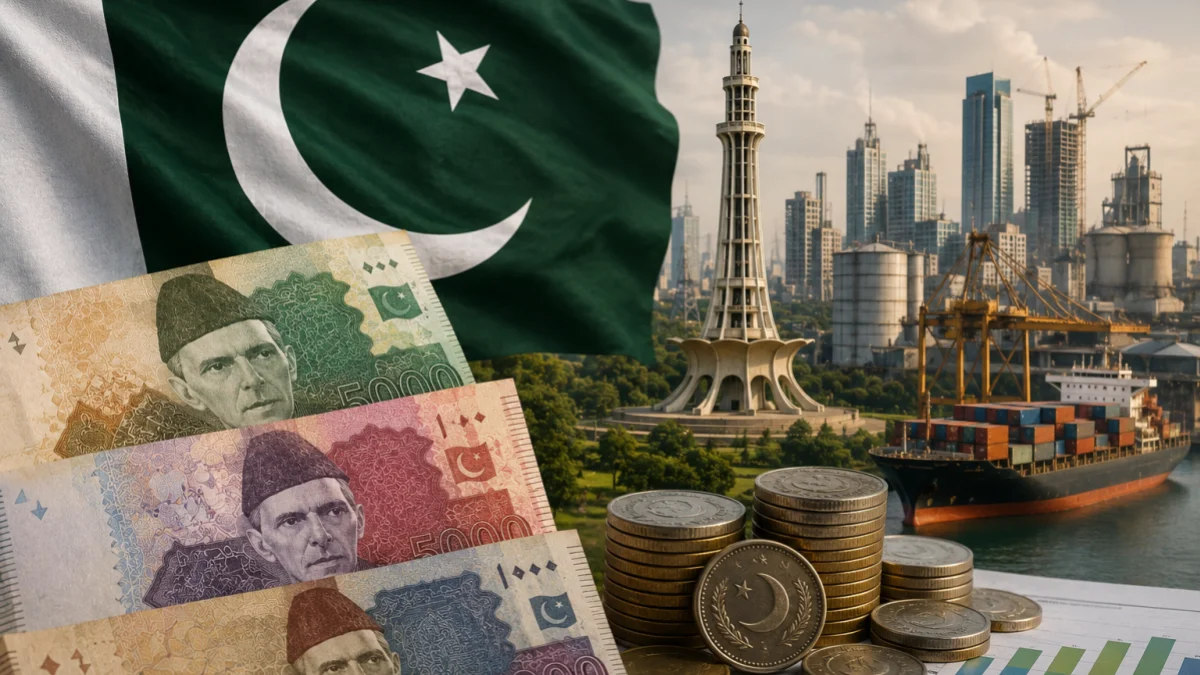
The ministers urged Washington and Tehran to continue negotiations aimed at a permanent cessation of hostilities. They expressed gratitude to Pakistan and all participating parties for their mediation efforts during the talks held in Islamabad on April 11-12, emphasizing the necessity of regional peace and adherence to international law.
While Southeast Asia possesses significant fossil fuel reserves, the region remains heavily dependent on oil and gas imports. A substantial portion of these vital resources is transported through the Strait of Hormuz, making the stability of the Persian Gulf essential for the economic security of ASEAN nations. The Strait of Hormuz is a chokepoint between the Persian Gulf and the Gulf of Oman, through which approximately one-fifth of the world's total oil consumption passes daily, making any disruption a significant threat to global market stability.