 OMM Redaksiyası

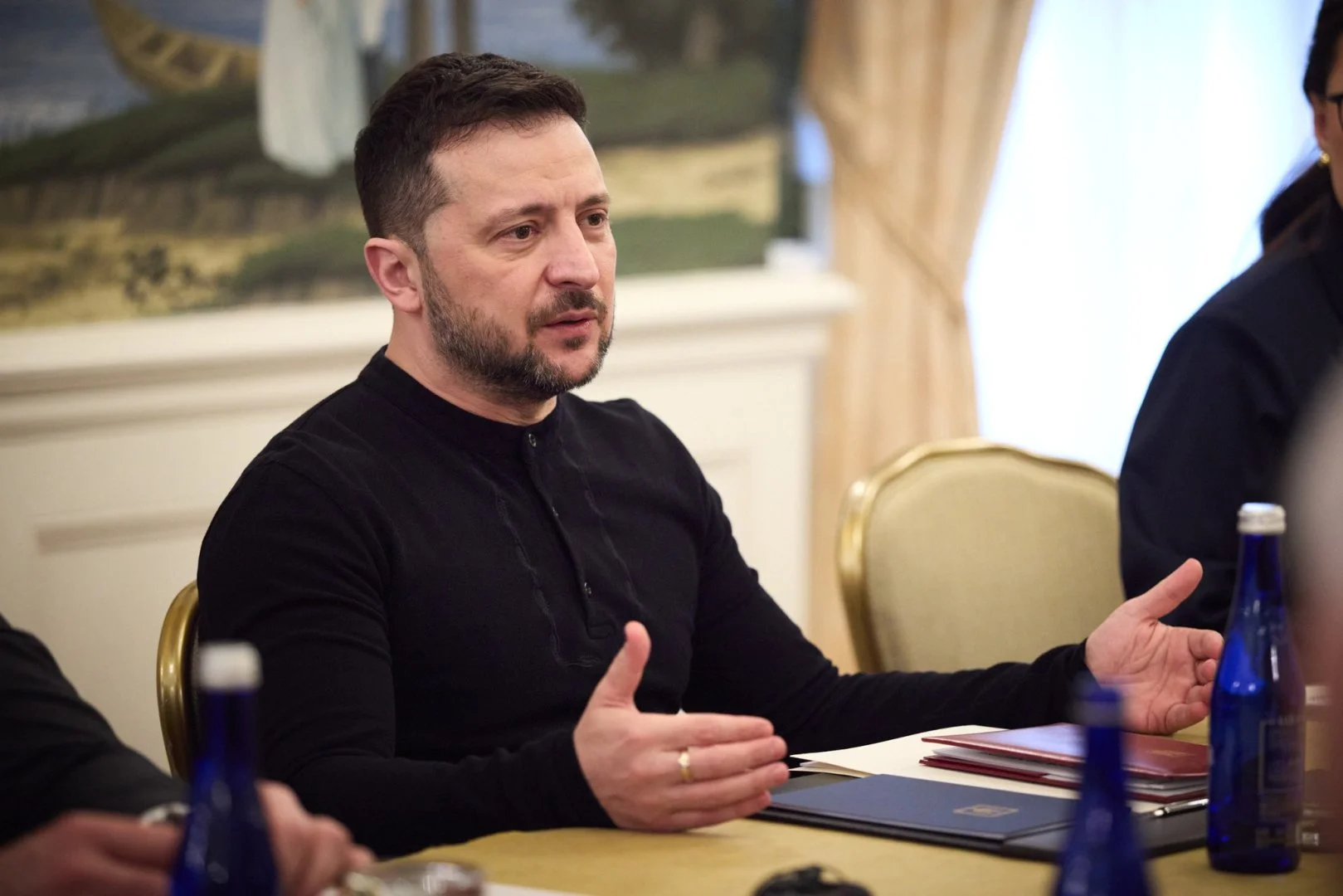
Ukrainian President Volodymyr Zelensky stated on Saturday that Russia's decision to change the leadership of its delegation for the upcoming Geneva peace talks is a deliberate move aimed at delaying progress.
Operative Information Center-OMM, citing foreign media, reports that speaking to journalists on the sidelines of the Munich Security Conference, Zelensky expressed surprise at Moscow's replacement of military intelligence chief Igor Kostyukov, who led previous discussions, with presidential aide Vladimir Medinsky.
Zelensky noted that by changing the group's leader, the Russians intend to postpone decision-making processes. He emphasized his hope that Washington would not allow Russia to use this new delegation to restart negotiations from scratch. The Ukrainian leader also mentioned that work on long-term security guarantees with international partners is nearing completion.
Zelensky reiterated the importance of deploying foreign troops on Ukrainian territory to prevent renewed Russian aggression following any ceasefire. He firmly rejected the idea of territorial concessions, labeling the exchange of parts of Ukrainian land as "madness." The president emphasized that the issue is not just about territory, but the lives of approximately 200,000 people living there.
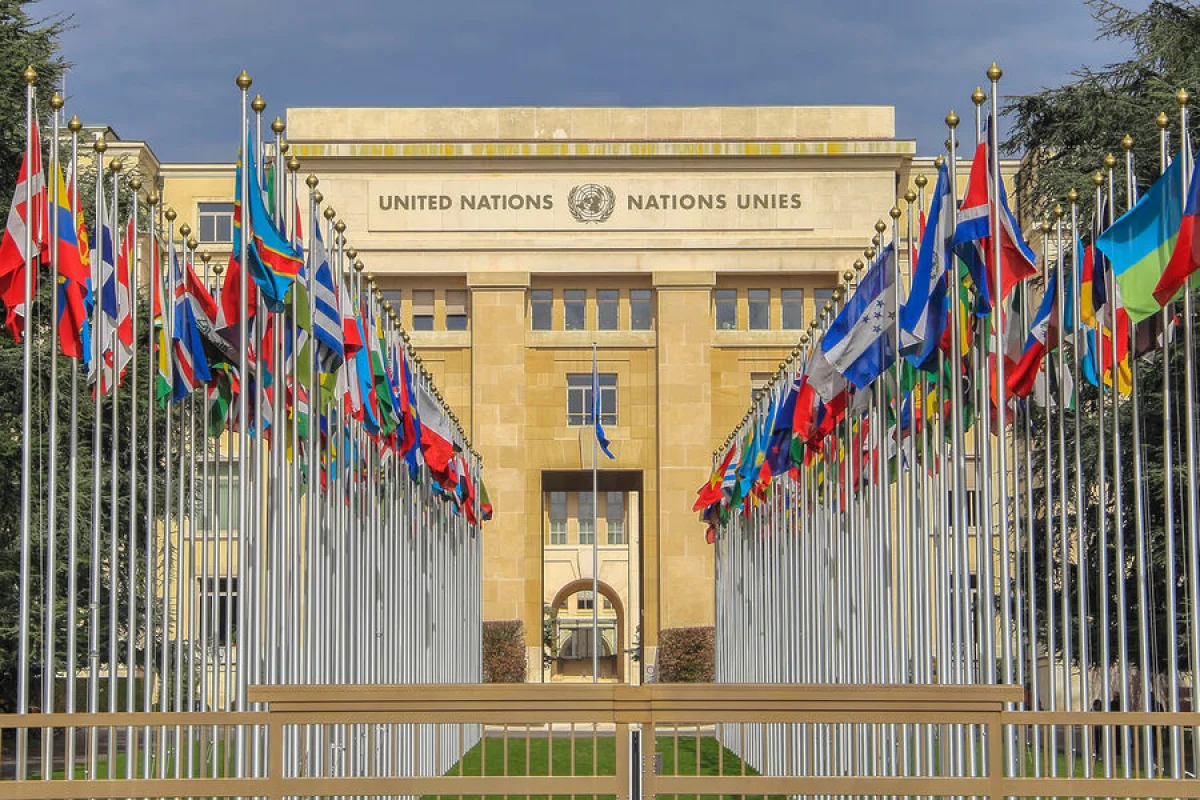
Trilateral meetings between delegations from Ukraine, Russia, and the United States are scheduled to take place in Geneva on February 17-18. These discussions are part of mediation efforts led by US President Donald Trump to end the conflict, which has now entered its fourth year. The Geneva format remains a critical diplomatic channel for addressing the humanitarian and security crisis resulting from the ongoing hostilities.
The Munich Security Conference, where Zelensky made these remarks, serves as a major global platform for discussing international security policy. Established in 1963, the annual event brings together heads of state, diplomats, and military officials to address current and future security challenges. In the context of the current conflict, the conference has become a focal point for coordinating Western support for Ukraine and discussing the future of European security architecture.