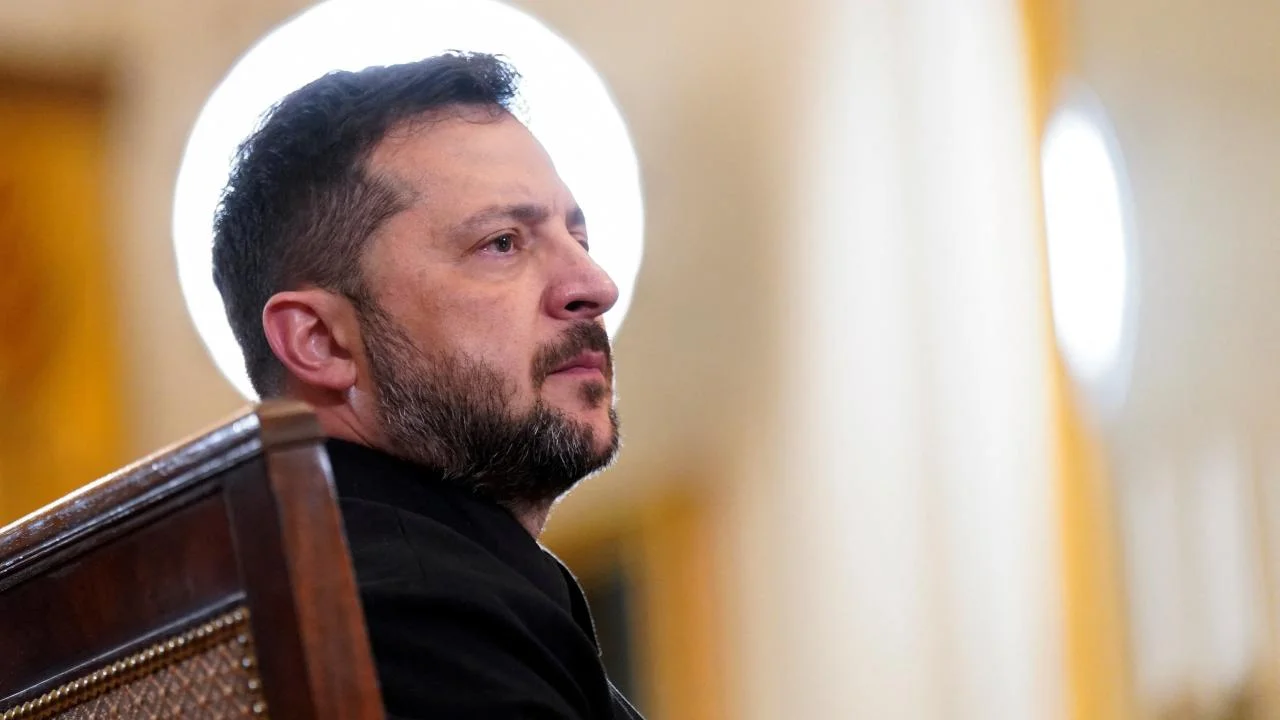
Ukrainian President Volodymyr Zelenskyy has called on international allies to deploy military contingents near the front lines to bolster the country's defense capabilities.
According to Operative Information Center-OMM, the Ukrainian leader made these remarks during an interview with BBC News. Zelenskyy emphasized that Ukraine's allies should consider stationing their military personnel within the territory of Ukraine, specifically as close to the contact line with Russia as possible.
"France and Britain could each provide one brigade. We understand that this means up to 5,000 personnel. Additionally, there are signals from several other countries ready to strengthen Ukraine with their own contingents. We would like to see a contingent closer to the front line," he noted.
The President added that while Poland has not yet confirmed the deployment of troops to Ukraine, Kyiv does not consider the stationing of foreign military personnel in western regions like Lviv to be sufficient. According to him, Warsaw could provide more logistical support for fighter jets and air defense systems, as well as facilitate the interception of enemy aerial targets from the territory of neighboring states.
Zelenskyy acknowledged that "no one wants to be on the front line," but stressed that Ukrainians wish to see their "partners" alongside them in the conflict zone. This appeal comes as Ukraine continues to seek advanced weaponry and direct tactical support to counter ongoing Russian military operations.
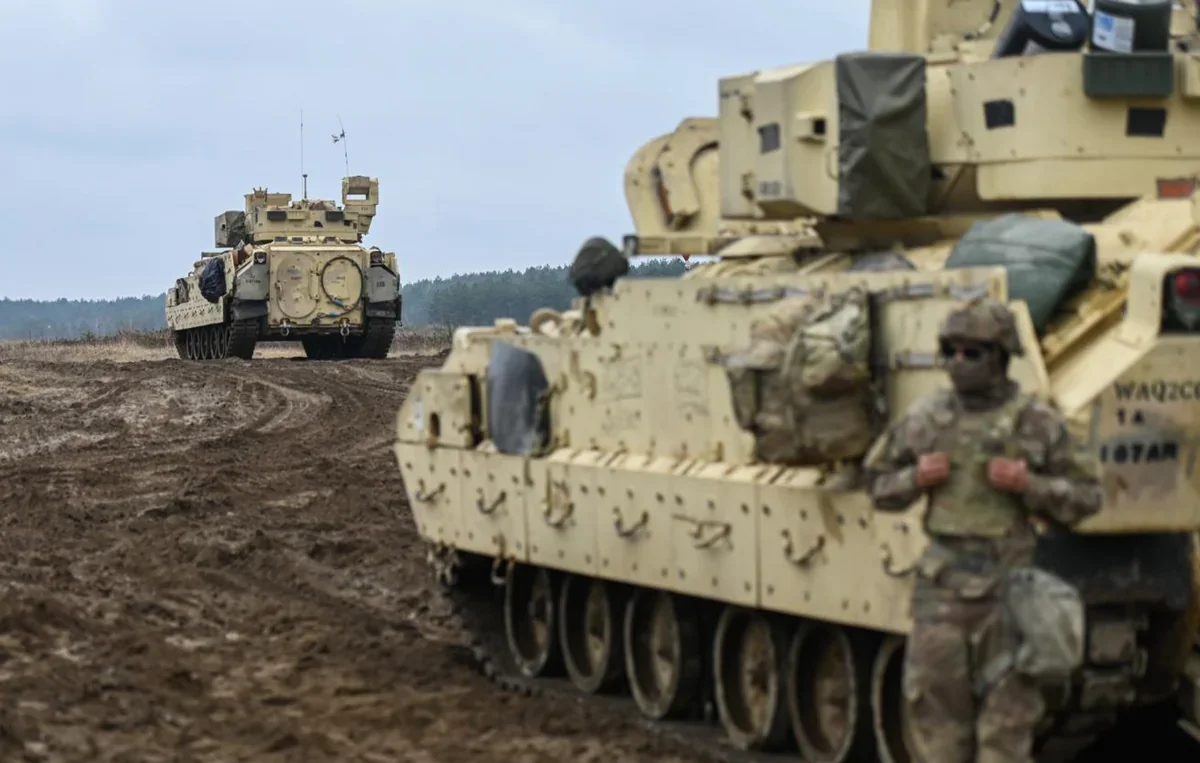
The request for direct military presence marks a significant escalation in Kyiv's diplomatic efforts to secure Western involvement. Since the full-scale invasion began in 2022, NATO members have largely restricted their support to intelligence sharing, financial aid, and the provision of hardware, including tanks and long-range missiles, while avoiding direct boots-on-the-ground engagement to prevent a direct confrontation between NATO and Russia. However, recent discussions in European capitals, particularly in Paris, have suggested that the deployment of non-combat or training missions is no longer a taboo subject among certain allies.