Disruptions to shipping traffic in the Strait of Hormuz following US and Israeli strikes targeting Iran have triggered new emergency measures and conservation steps worldwide.
Operative Information Center-OMM reports, citing foreign media, that the effective closure of the Strait of Hormuz is rapidly increasing pressure on energy, trade, and financial channels in the global economy.
In response, governments have developed new economic packages that include measures such as permitting remote work and restricting car usage to reduce energy consumption. The International Energy Agency (IEA) has warned that rising tensions in the Middle East have caused the largest disruption to global oil supplies in history, calling for a radical action plan aimed at rapidly reducing oil consumption.
The IEA stated that military conflicts in the Middle East are causing an unprecedented global energy crisis. The agency recommended transitioning to remote work models to reduce fuel consumption and lowering speed limits on highways by at least 10 kilometers per hour. Following these warnings, several nations have initiated emergency protocols. Vietnam's Ministry of Industry and Trade advised citizens to work from home and use public transport, while Nepal extended its weekend for public offices and educational institutions to two days to conserve energy. South Korea approved a 26.2 trillion won (17.7 billion dollar) supplementary budget to mitigate the economic impacts, while Thailand and Malaysia have instructed public sector employees to transition to remote work.
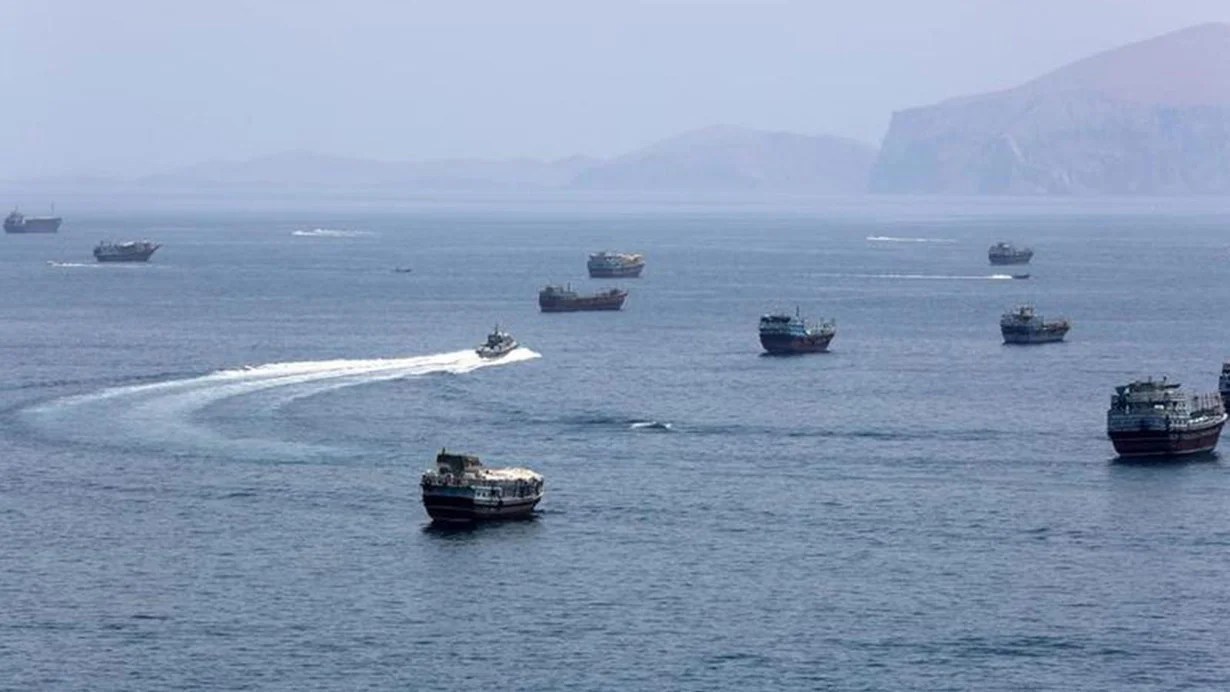
The Strait of Hormuz, located between Oman and Iran, is one of the world's most strategically important choke points. It connects the Persian Gulf with the Gulf of Oman and the Arabian Sea, serving as the primary maritime route for approximately a fifth of the world's liquid petroleum consumption. Any prolonged disruption to transit through the strait historically leads to sharp volatility in global energy markets and impacts supply chains across Europe, Asia, and the Americas.