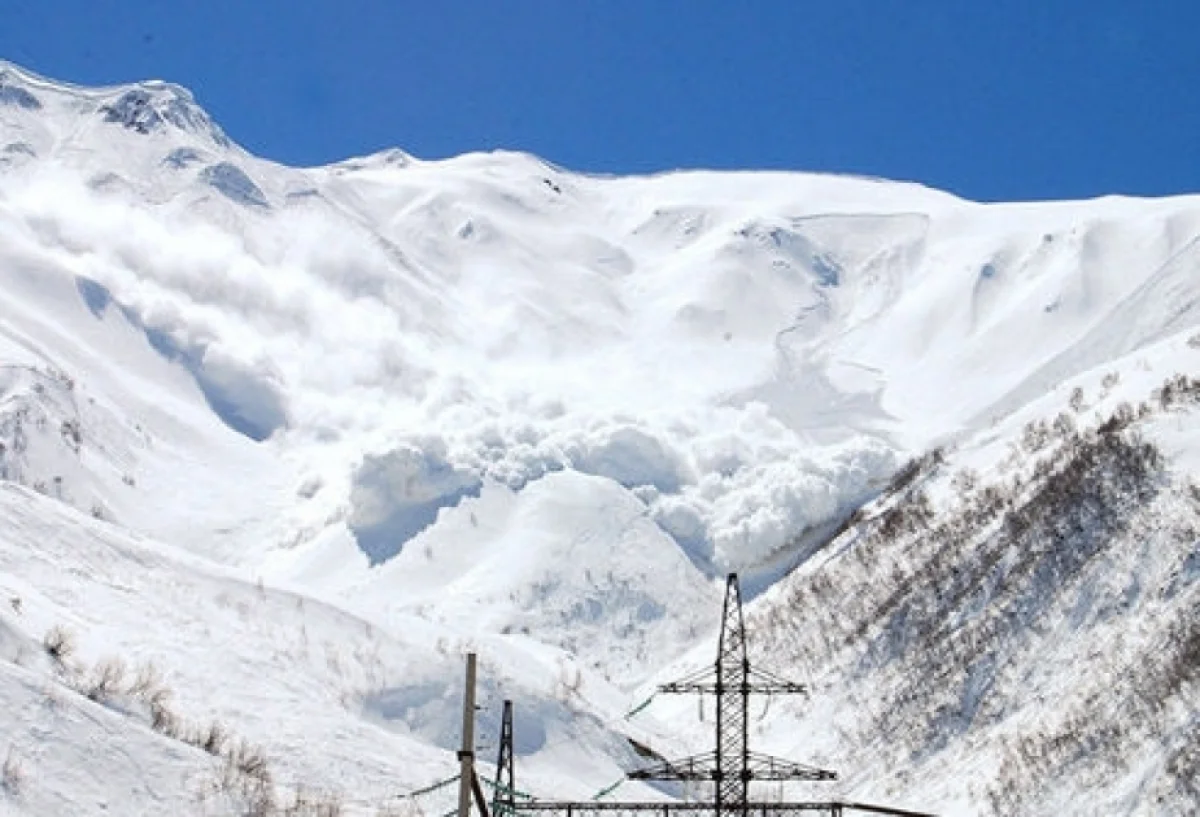
Intense precipitation and unstable weather conditions continue across the territory of Azerbaijan as of 11:00 AM on March 28. According to information provided by the National Hydrometeorological Service to the Operative Information Center-OMM, heavy rainfall is persisting in most regions, while snow continues to fall in mountainous areas.
In Baku and the Absheron Peninsula, precipitation reached 104 millimeters, which constitutes 440 percent of the monthly norm—more than four times the typical average for this period. Significant rainfall was also recorded in Kurdamir (69 mm), Qusar (68 mm), Khizi (67 mm), and Khachmaz (61 mm). In the liberated territories, rainfall was recorded in Aghdam (19 mm), Fuzuli (1 mm), and Khankendi (1 mm), while snow fell in Shusha and Qubadli.
The National Hydrometeorological Service reported that snow depth has reached 49 centimeters in Shahdag and 17 centimeters in Gryz. In Khinalig, the snow volume reached 39 millimeters (104 percent of the monthly norm) with a snow cover height of 10 centimeters. Additionally, north-westerly winds reached maximum speeds of 20 meters per second in Dashkasan, Shahdag, and Gryz, and up to 18 meters per second in Baku and the Absheron Peninsula.
Such intense weather patterns in Azerbaijan are often monitored by the Ministry of Ecology and Natural Resources to manage potential risks related to infrastructure and agriculture. The National Hydrometeorological Service regularly updates the public and relevant state agencies to ensure safety during periods of high precipitation and shifting climatic conditions, which are essential for the country's water reserve management and agricultural planning.