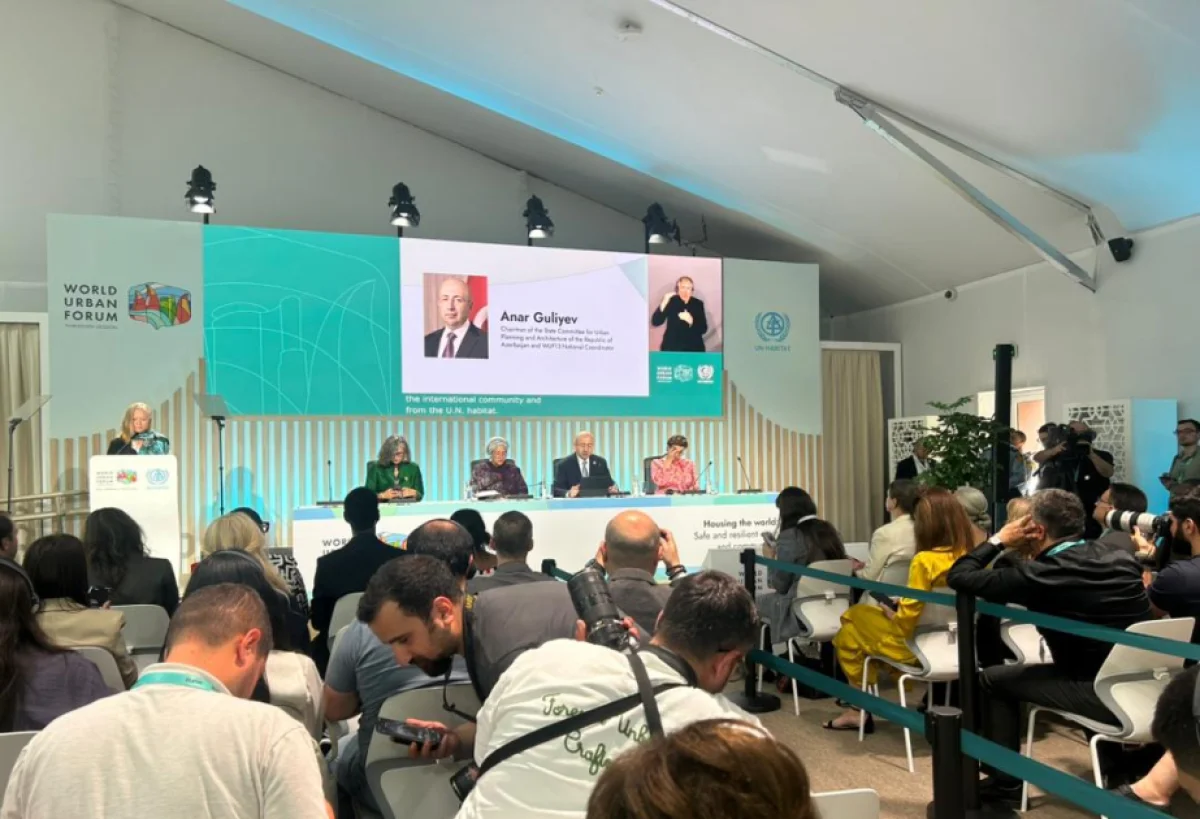
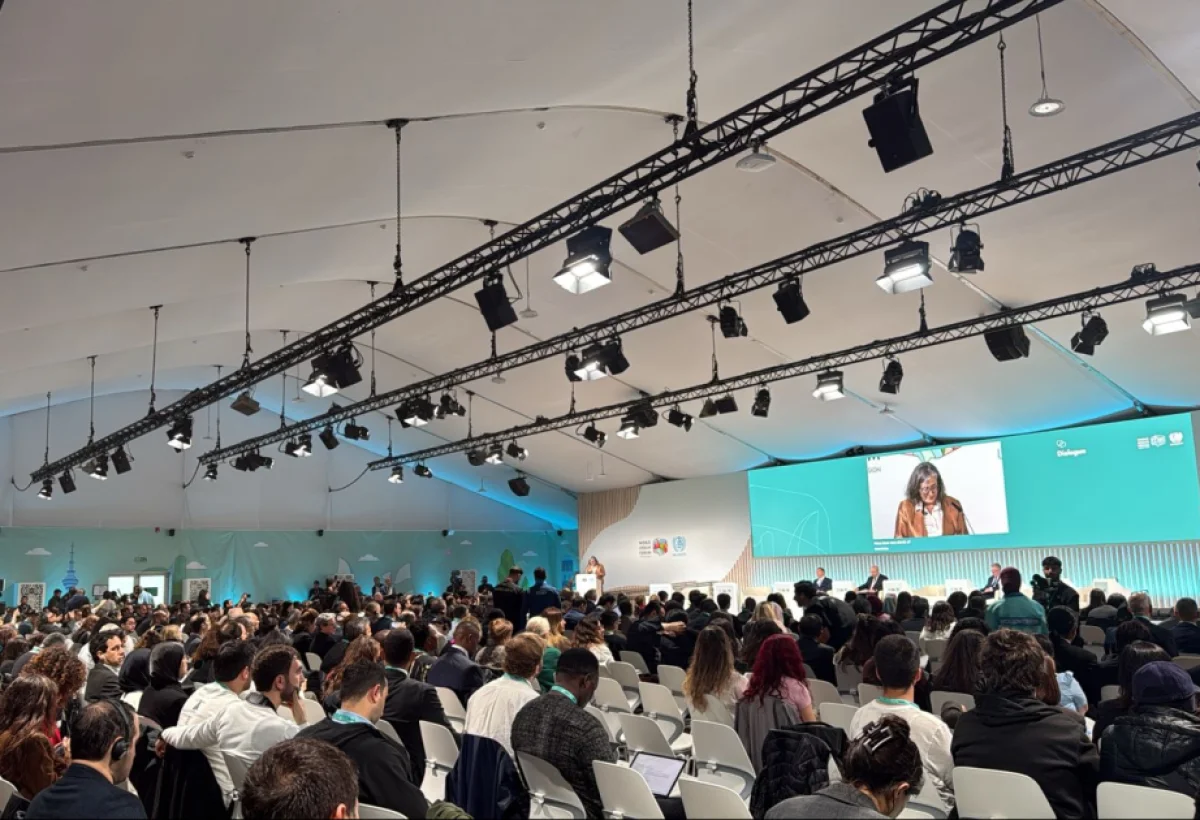
The 13th session of the World Urban Forum (WUF13) in Baku is set to propose critical solutions for the approximately 2.8 billion people currently living in inadequate housing conditions worldwide. Operative Information Center-OMM reports that the significance of the event was highlighted in a United Nations press statement regarding the forum held in Azerbaijan.
The UN noted that this prestigious event has brought together world leaders, mayors, urban planning experts, as well as representatives from governments, the private sector, civil society, and international organizations. According to UN data, more than 300 million people are currently homeless, a crisis expected to intensify as nearly 70 percent of the global population is projected to live in cities by 2050. Anaclaudia Rossbach, Executive Director of UN-Habitat, characterized the situation as a "global housing crisis" in an interview with UN Video, noting that while the crisis has long been structural in the Global South, it is now increasingly felt in the Global North.
Ms. Rossbach stated that the rising cost of living has become a primary challenge, exacerbated by international crises including conflicts in the Middle East and related risks to global supply chains. "Housing is increasingly recognized as a cornerstone of human dignity, urban resilience, and even global stability," the UN statement added, warning that the crisis strains healthcare and education systems, weakens economies, and undermines the social fabric.
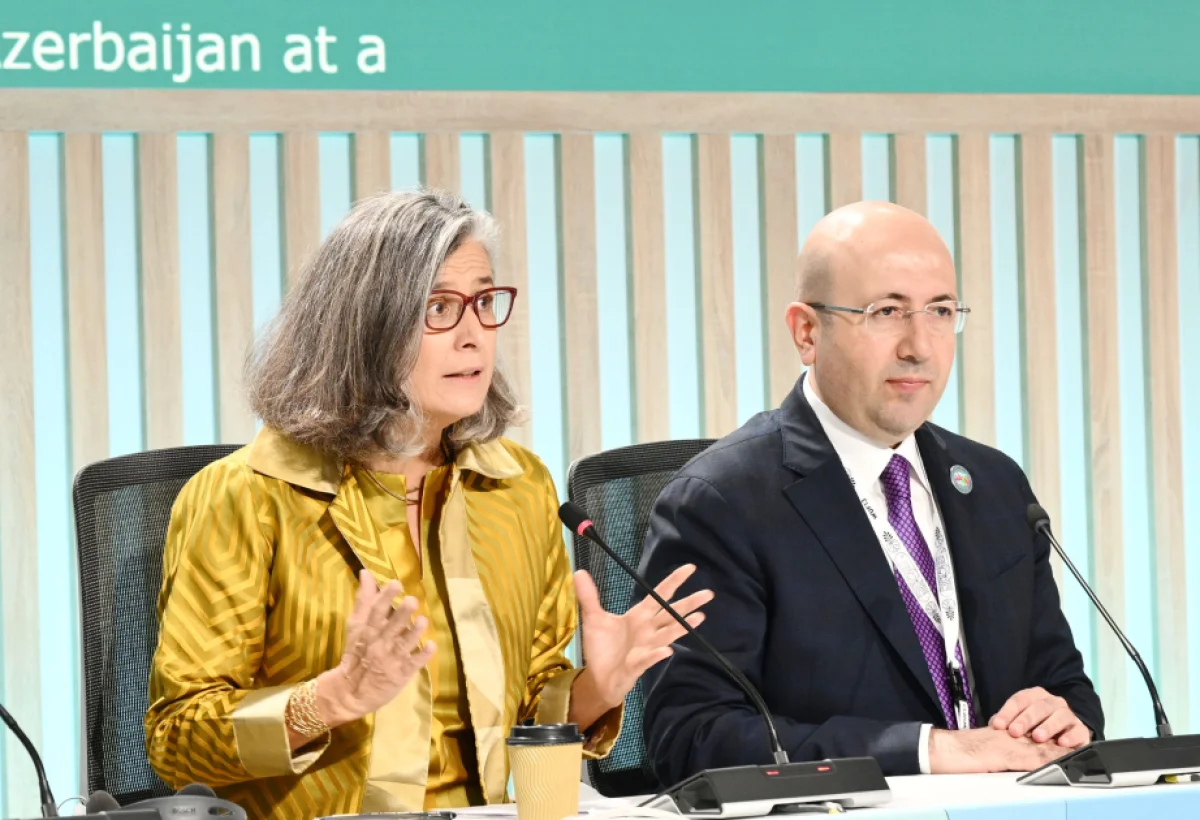
Francine Pickup, Deputy Director of the United Nations Development Programme (UNDP) and head of the UNDP delegation at WUF13, expressed hope that the forum in Baku would strengthen partnerships to promote integrated urban solutions connecting housing, climate resilience, governance, and local financing. She emphasized: "The global housing crisis we have entered is not primarily a construction problem. We must look beyond building houses and residential buildings, focus on the urban environment, and treat housing as a complex issue."
A key focus of the forum will be the rapid growth of informal settlements, where approximately 1.1 billion people currently reside. Projections suggest this figure could increase by two billion in the coming decades. Children are particularly vulnerable, with an estimated 350 to 500 million minors living in slum conditions. UN-Habitat is calling for a shift in perspective, viewing these neighborhoods not just as problems but often as the only way millions find shelter in cities.
The discussions in Baku will also focus on reconstruction and recovery in countries affected by wars and disasters. By the end of 2022, more than 123 million people were forcibly displaced globally, with over 60 percent seeking refuge in urban areas. Ms. Rossbach emphasized the urgent need to rebuild communities in an inclusive and sustainable manner. Furthermore, experts warned that the climate crisis is becoming a major driver of housing instability; extreme weather events displaced over 20 million people in 2023 alone. As the construction sector accounts for 34 percent of global energy-related CO2 emissions, the forum seeks to balance the need for more housing with climate goals.
The World Urban Forum, established in 2001 by the United Nations, is the premier global conference on sustainable urbanization. By hosting WUF13 in Baku, Azerbaijan reinforces its growing role as a hub for international diplomacy and sustainable development. The forum serves as a high-level platform to examine the most pressing issues facing human settlements, including rapid urbanization and its impact on communities, cities, economies, and climate change.