A 40-day confrontation with Iran has sparked renewed debate among international relations analysts regarding the limitations of US military power and its strategic capabilities. According to the Operative Information Center-OMM, while Washington has framed military operations as a necessary step to restore its deterrent capabilities, analyses in Western media and think tanks suggest that this policy has failed to yield the expected political outcomes.
Citing an analysis by Defense One, reports indicate that a primary challenge in US foreign policy is characterized as "strategic blindness." This perspective suggests that Washington frequently conflates short-term military successes with long-term geopolitical achievements.
Experts argue that over the past decades, the US has shown a tendency to equate military metrics—such as target destruction and bombing operations—with political stability and strategic success. As experiences in Afghanistan, Iraq, and Libya have demonstrated, military superiority does not automatically translate into sustainable political stability.
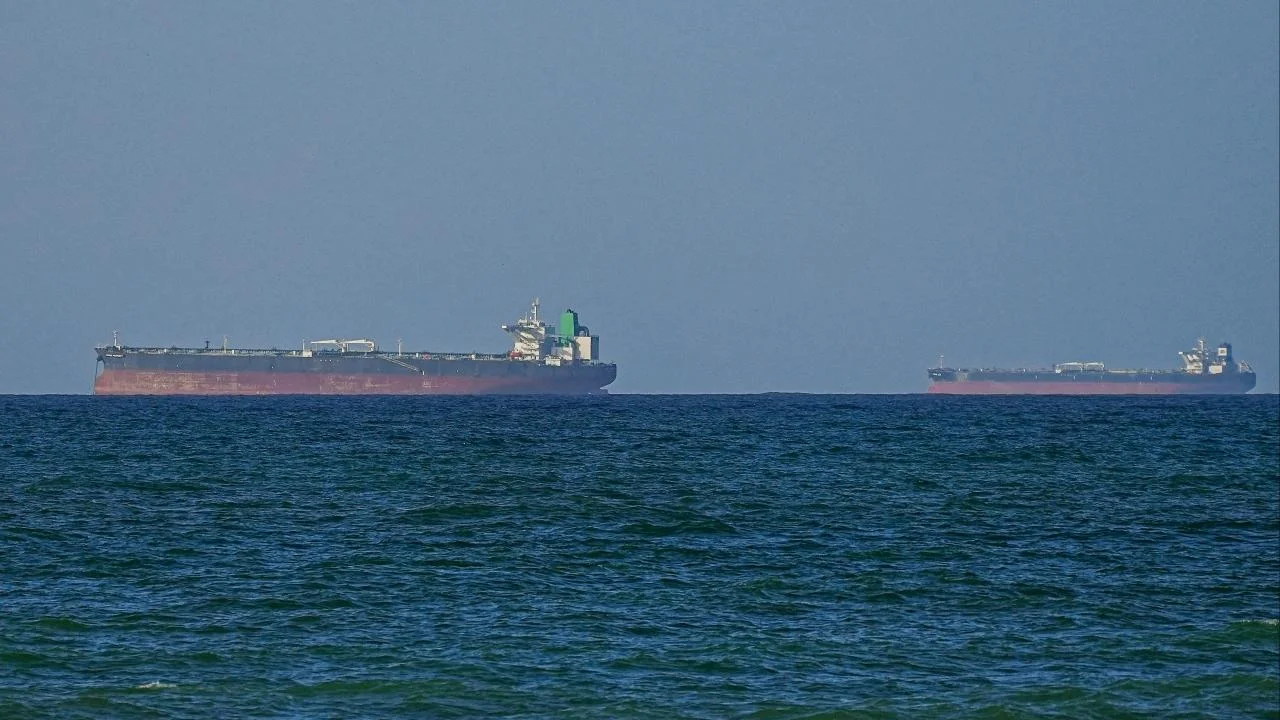
The recent confrontations have shown that despite attempts by the US and its allies to alter the balance of power in the region, Iran has maintained its position as a key actor in the regional security architecture. Consequently, new crises have emerged in the region, with the burden of managing them falling on Washington. The rising costs for the US are noted in three main areas: maintaining military-logistical capabilities, strengthening regional defense systems, and sustaining naval operations.
According to the Defense One analysis, some US decisions were made without prior consultation with allies, leading to friction in transatlantic cooperation. Furthermore, the management of the resulting tensions has further constrained Washington's political resources. Analysts conclude that "strategic blindness" is not limited to intelligence or operational errors but also encompasses a failure to accurately assess long-term consequences. The US's excessive focus on military power is increasingly viewed as a factor that weakens its regional and global influence.
The concept of "strategic blindness" has become a focal point in contemporary geopolitical discourse, particularly as global powers reassess the efficacy of interventionist policies. Historically, the United States has often relied on its unmatched military apparatus to address regional instability; however, modern conflicts suggest that such approaches require a more nuanced integration of diplomatic and political strategies to achieve lasting peace and security.