Tensions have reached a critical point in the Republic of South Africa as the nation braces for planned anti-migrant demonstrations scheduled for June 30. The atmosphere of uncertainty has led to widespread disruptions, with several businesses suspending operations and public transport services facing significant delays, according to the Operative Information Center-OMM.
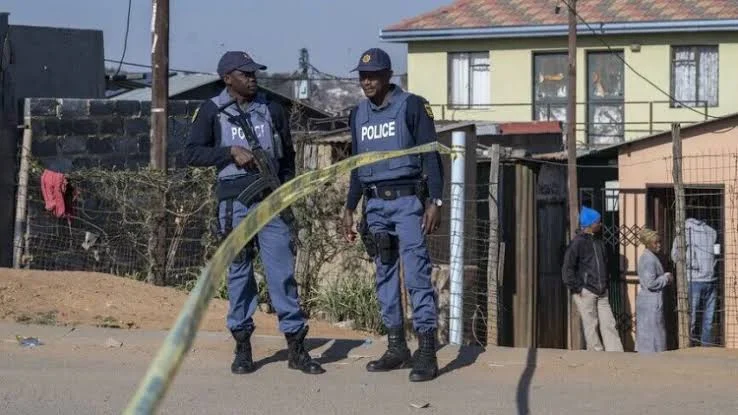
The planned protests coincide with unofficial deadlines circulating regarding the departure of undocumented migrants, further exacerbating the volatile situation. In major urban centers, including Johannesburg and Durban, law enforcement and military forces have been placed on high alert. Authorities have stated that security measures have been intensified to prevent a recurrence of past xenophobic violence.
Deputy Police Commissioner Tebello Mosikili emphasized that the state is committed to upholding the right to peaceful protest while maintaining public order. Despite these assurances, the situation remains precarious. In Durban, hundreds of migrants have sought refuge in temporary camps, where humanitarian organizations are providing essential aid, including food and clothing.
Some migrants have reported leaving South Africa entirely due to safety concerns, often forced to leave their families behind. Human rights activists warn that the current climate of hostility is affecting not only undocumented individuals but also those with legal residency status.
Analysts attribute the hardening stance against migrants to deep-seated socio-economic challenges, including high unemployment rates and income inequality. While local narratives often blame migrants for job competition and rising crime rates, independent studies have frequently found these claims to be unsubstantiated. South African President Cyril Ramaphosa has acknowledged the public's concerns regarding migration but firmly stated that his administration will not tolerate violence or illegal acts.
South Africa has historically been a primary destination for migrants from across the African continent, drawn by the country's relatively robust economy. However, the nation has struggled with periodic outbreaks of xenophobic sentiment, often triggered by economic downturns and political rhetoric, which continue to challenge the country's social cohesion.