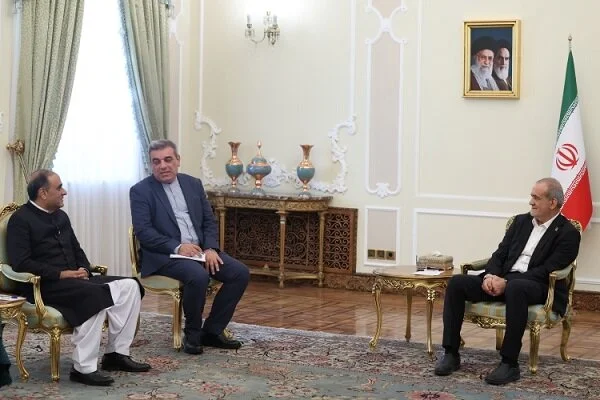
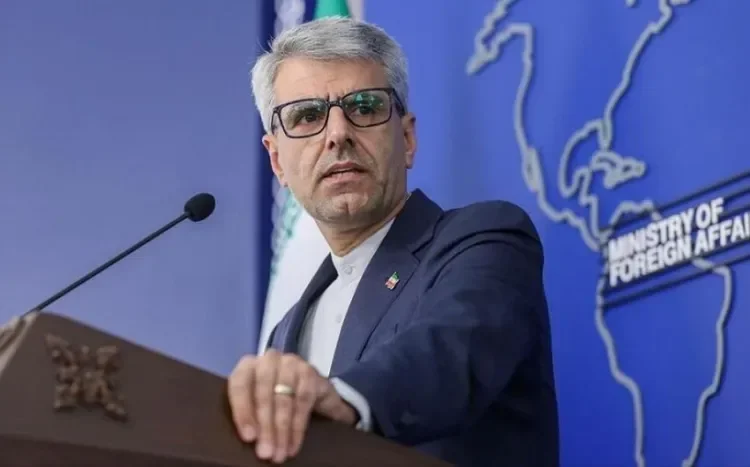
The Iranian government has issued a formal warning to the Islamic Republic of Iran Broadcasting (IRIB) following the unauthorized editing of President Masoud Pezeshkian's speeches. According to the Operative Information Center-OMM, citing IRNA, government spokesperson Fatemeh Mohajerani confirmed the development.
Mohajerani stated that the warning was issued to foster national unity and harmony, aiming to prevent fragmentation, discord, and alienation within society. Addressing concerns regarding potential bias and censorship within the state media apparatus, she emphasized: "Naturally, local media should reflect all voices in society, especially those of its public servants, including the government."
The controversy stems from the state broadcaster's decision to cut segments of speeches delivered by both President Masoud Pezeshkian and Parliament Speaker Mohammad Bagher Ghalibaf. The move has drawn sharp criticism from within the political establishment, including the President's son, Yousef Pezeshkian, who questioned the authority behind such editorial decisions. In a social media post, he criticized the broadcaster for censoring heads of the country's main branches of power, suggesting that if an unnamed individual holds the authority to override these leaders, they should be tasked with governing the country directly.
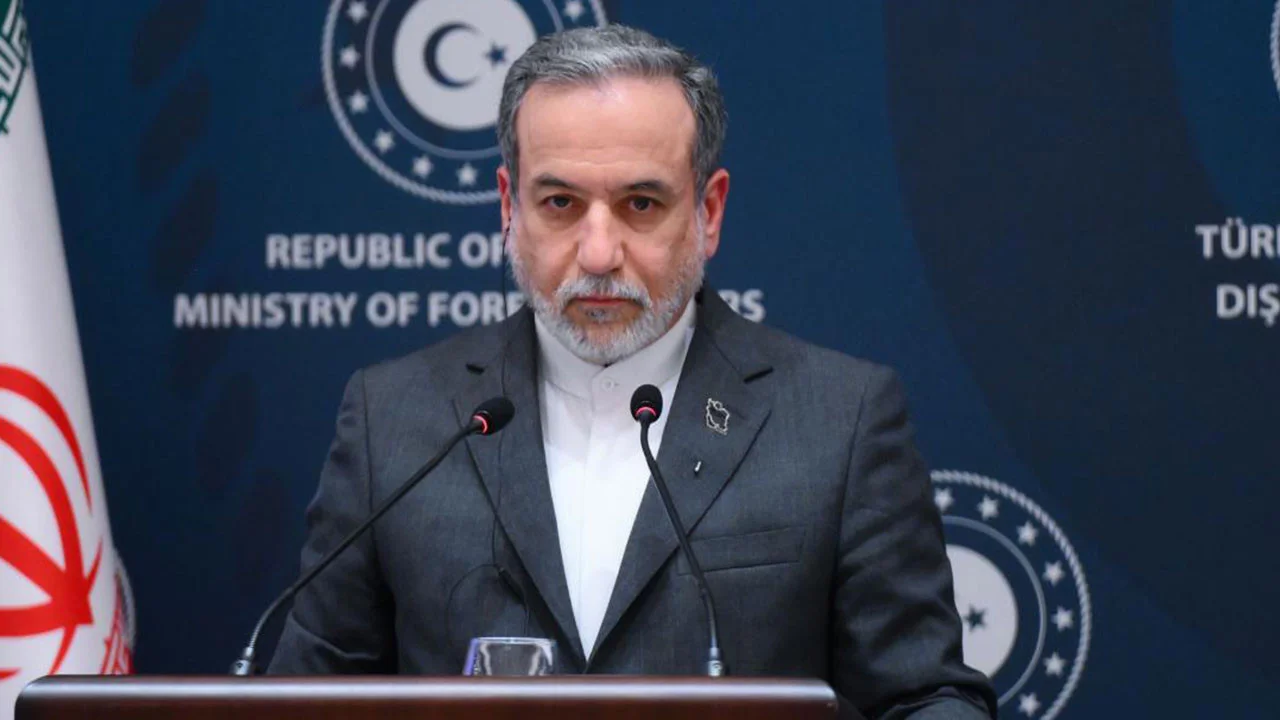
Foreign Minister Abbas Araghchi also expressed frustration with the state media's editorial policies. He noted that despite his efforts to defend Iran's position during interviews with international outlets like Fox News and CNN, the state broadcaster failed to air these segments, leaving him disappointed by the lack of coverage for his diplomatic engagements.
The IRIB, which operates under the supervision of the Supreme Leader, frequently faces scrutiny regarding its editorial independence. This incident highlights ongoing tensions between the executive branch and the state media apparatus in Iran, raising broader questions about transparency and the representation of government officials in the national discourse.