New archaeological sites have been discovered in the Aghdara and Aghdam districts of Azerbaijan. This information was provided to the Operative Information Center-OMM by the Institute of Archaeology and Anthropology of the Azerbaijan National Academy of Sciences.
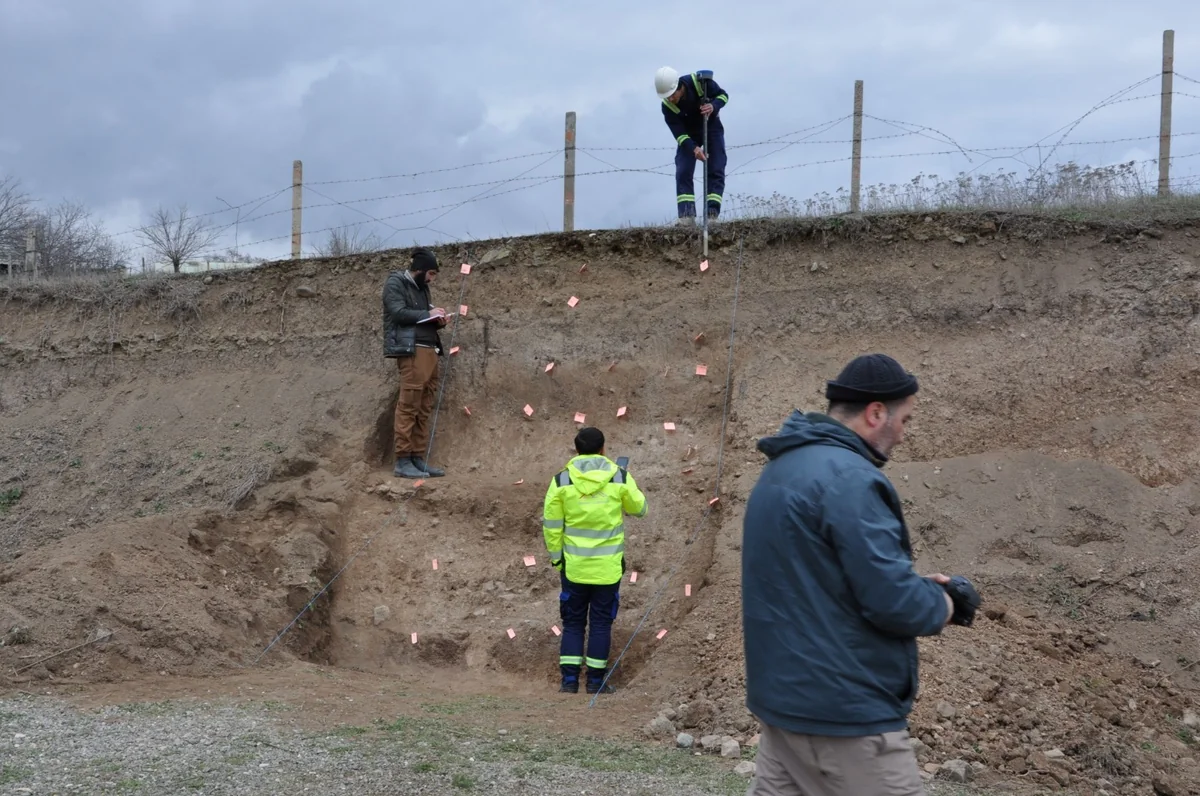
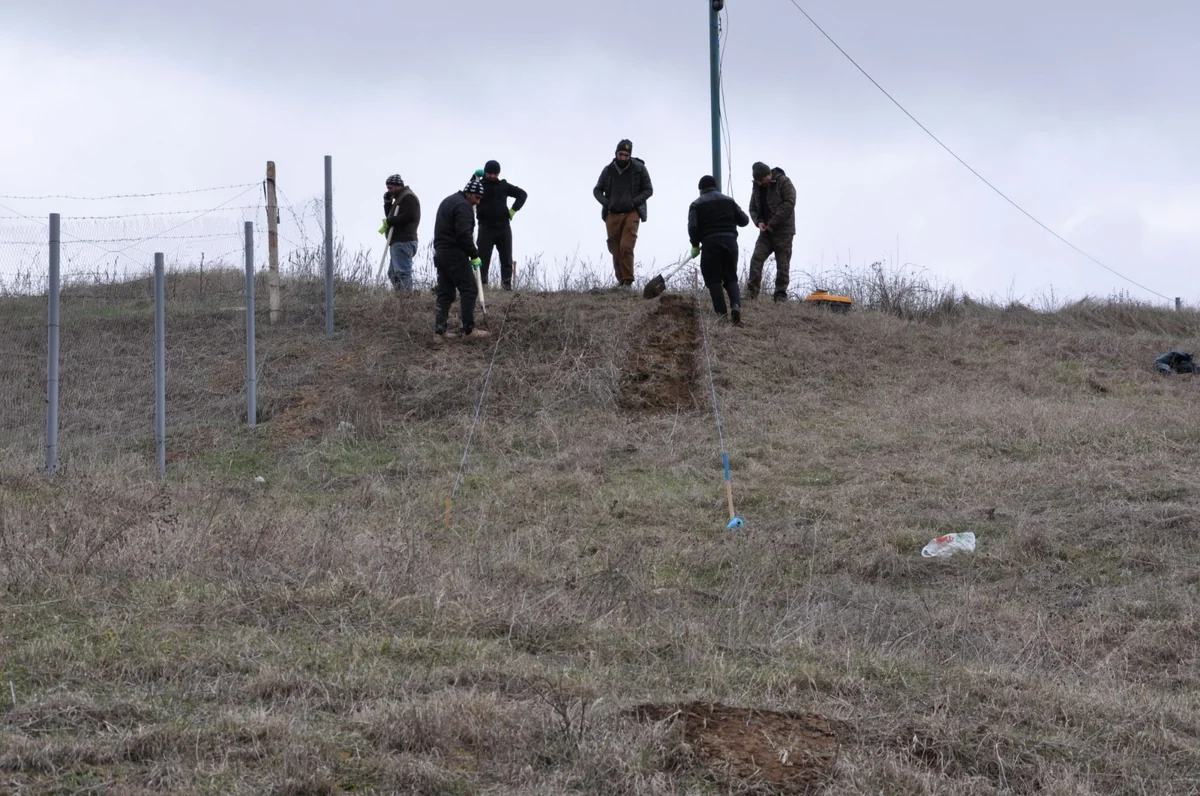
It was reported that archaeological excavations and monitoring were conducted near the Canyataq village of the Aghdara district, specifically within the territory of the "Damirli" Ore Processing Complex, as well as in the territory of the Goytapa village in the Aghdam district.
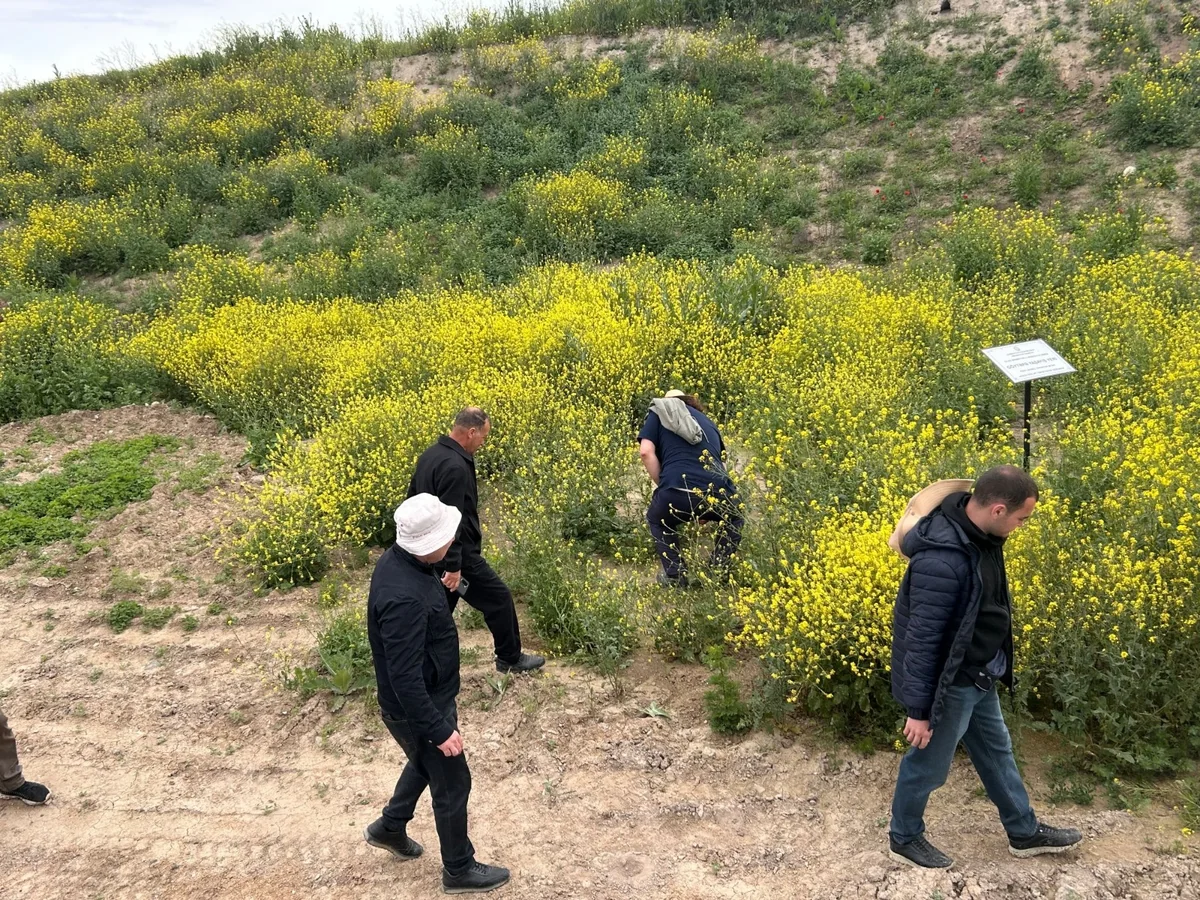
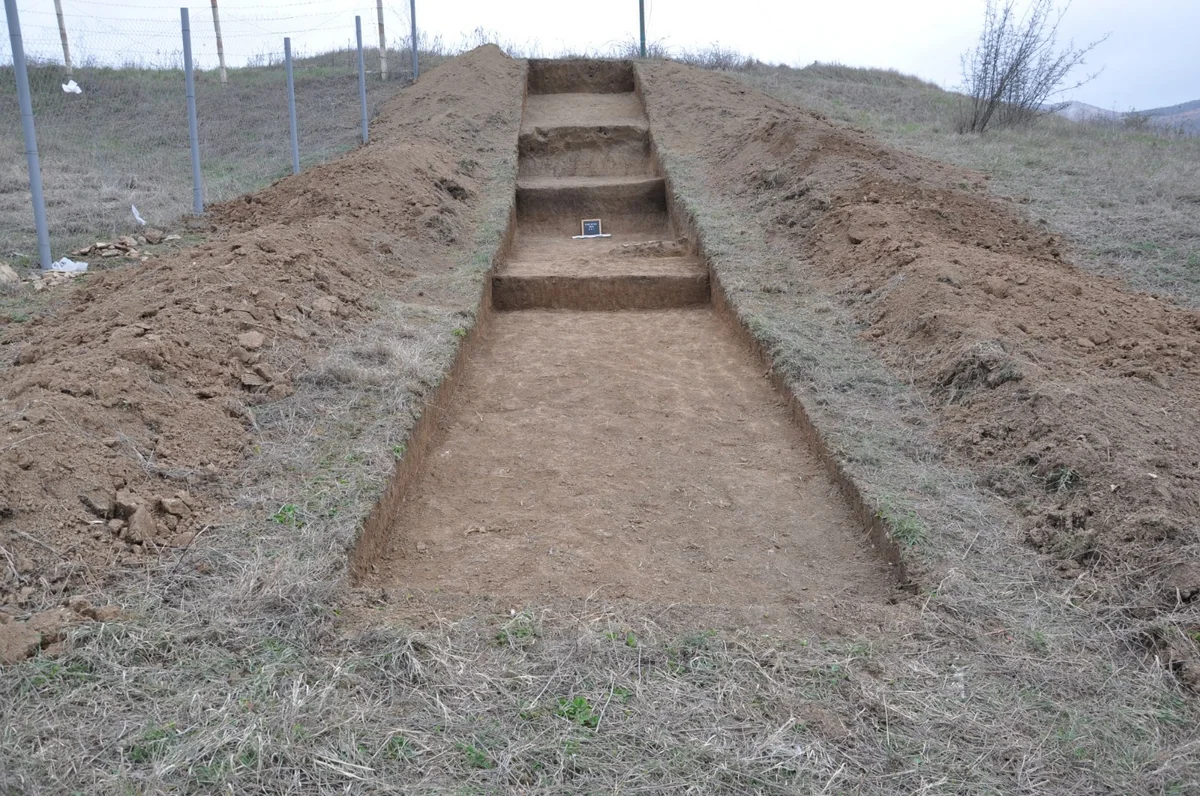
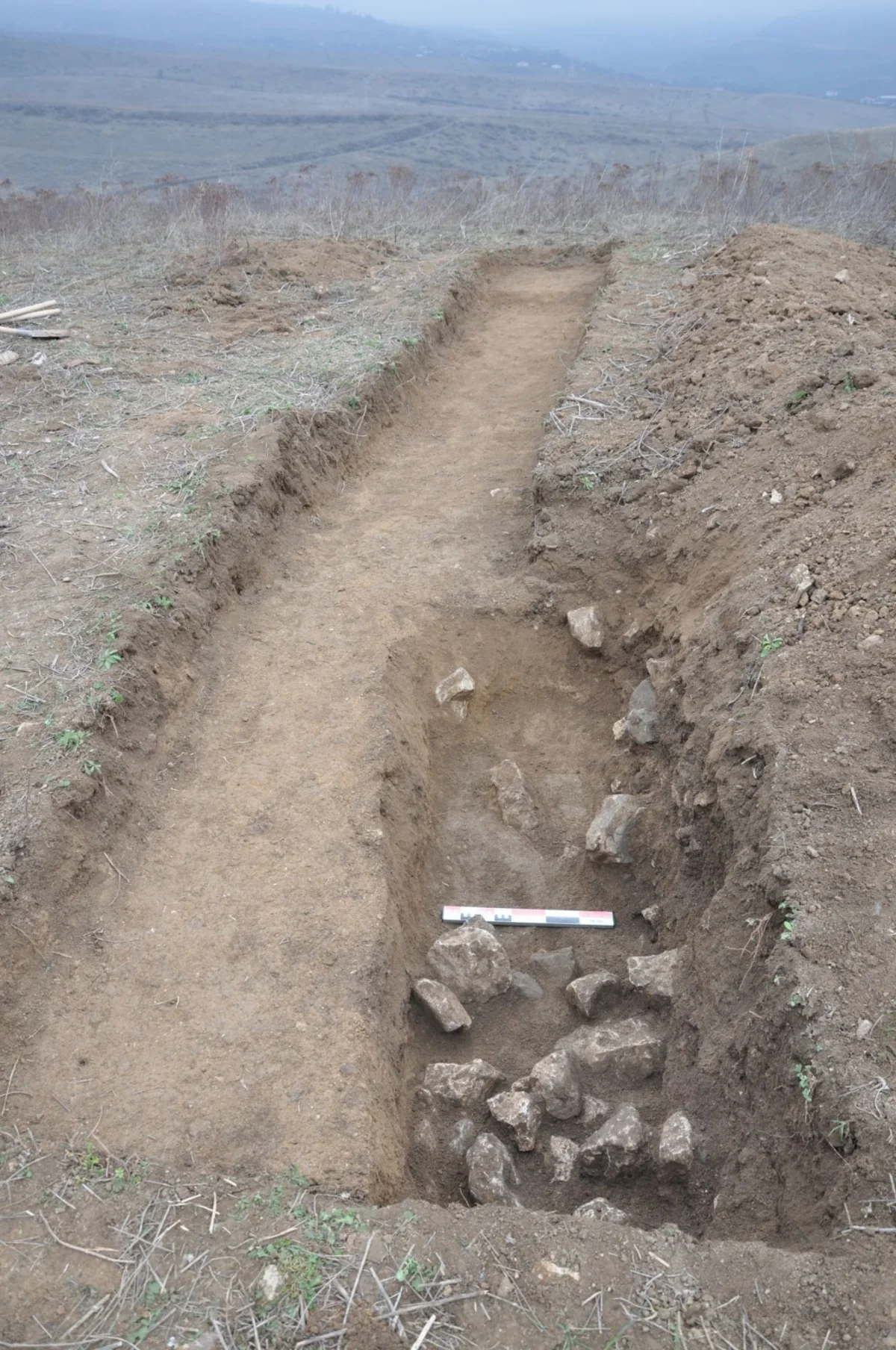
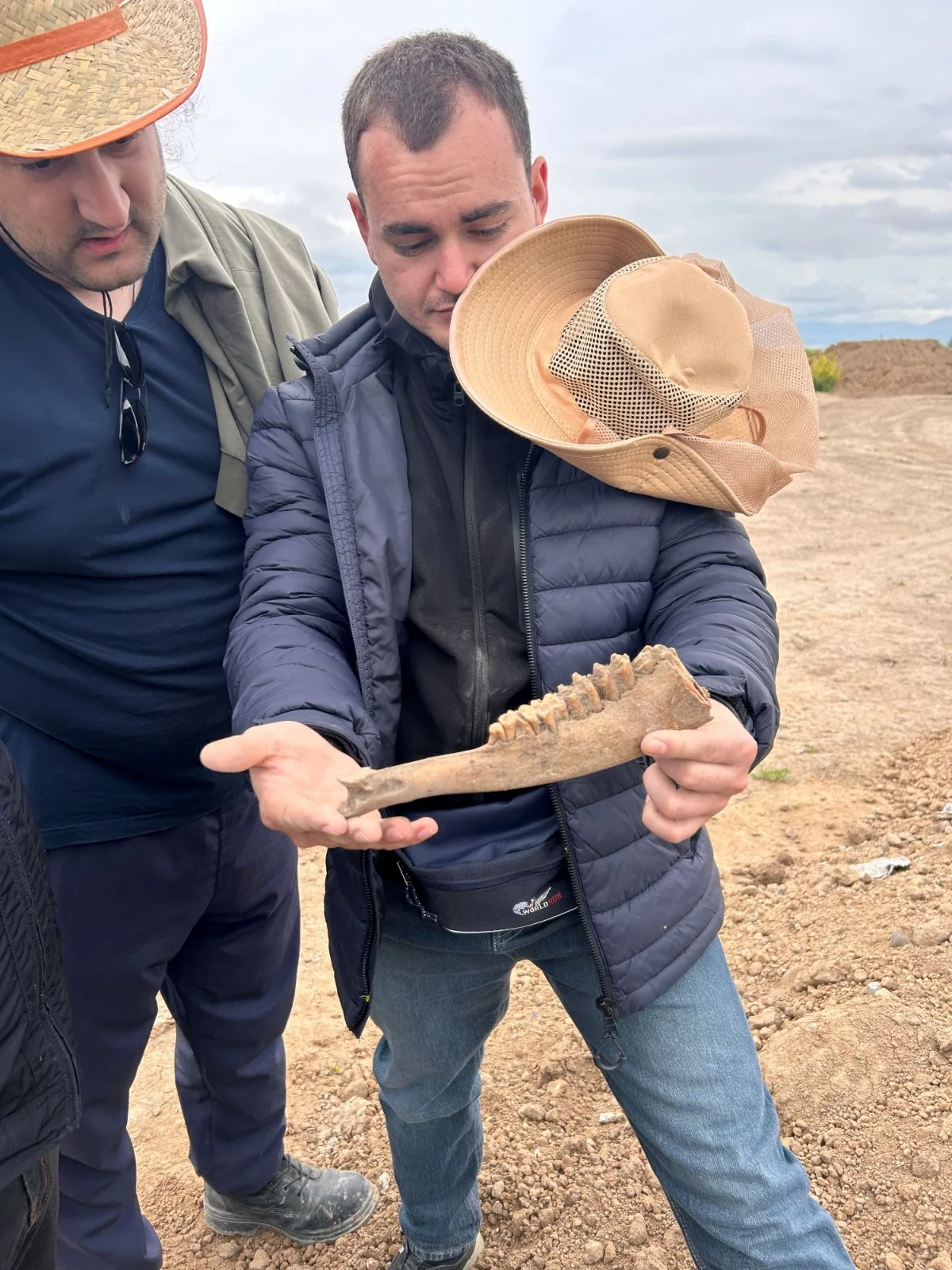
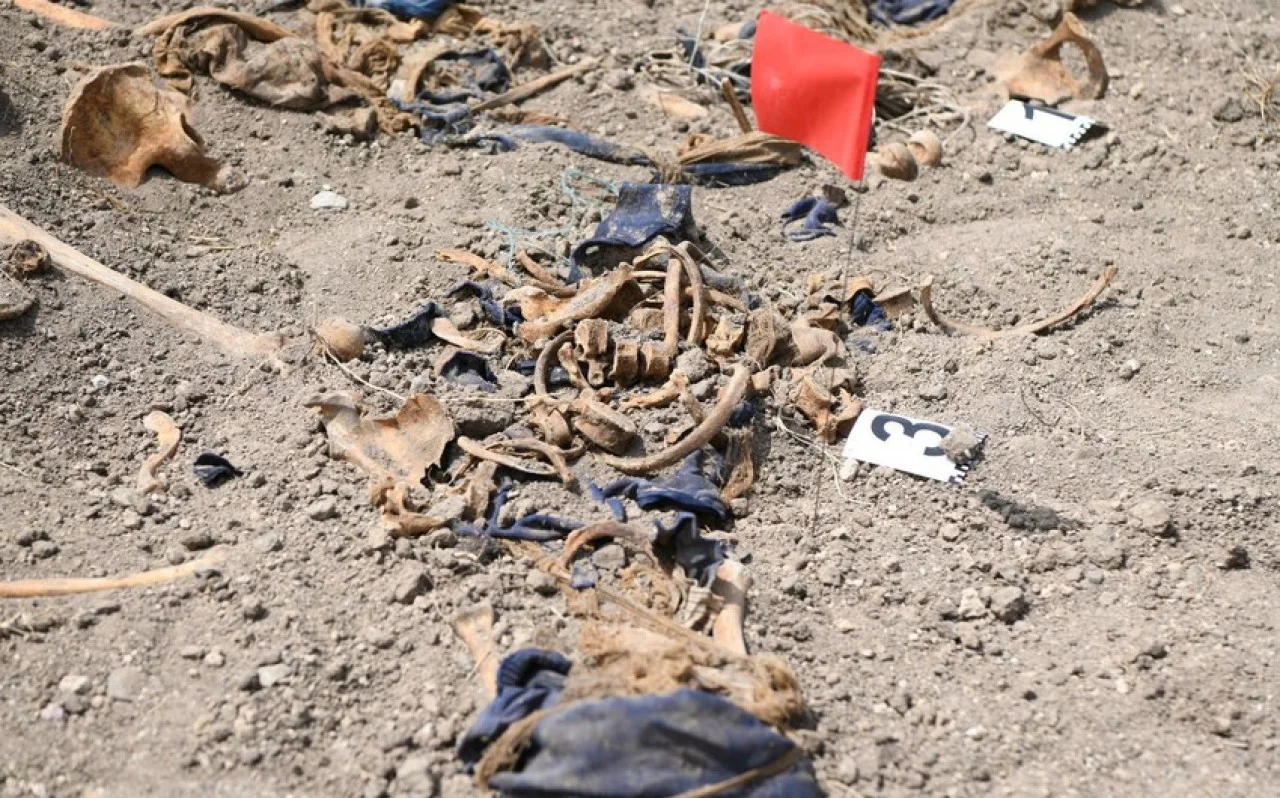
During the archaeological monitoring at the "Damirli" Ore Processing Complex, a Neolithic-era settlement was identified and selected for further research. The Canyataq ancient settlement covers a small area on the southern part of an alluvial hill, approximately 250 meters in diameter and 30-35 meters high, located northeast of the modern village of the same name. The hill is bordered by the Gulyataq River valley in the north and the Canyataq River in the southeast. Test excavations on the southeastern slope of the hill revealed a wealth of Neolithic pottery samples and numerous osteological remains. Evidence suggests that Neolithic inhabitants settled only on the sunny, sloping eastern and western sides of the hill.
Researchers hypothesize that the site served as a camp for the procurement and trade of ochre—a natural mineral pigment used as yellow, orange, red, and brown dye. The discovery of numerous large stone tool fragments and ochre debris supports this theory. It is believed that Neolithic miners in Garabagh extracted ochre from nearby deposits, brought it to this camp, processed it into smaller pieces, and transported it to the lowlands.
Simultaneously, initial observations during the archaeological monitoring indicated the former presence of a Muslim cemetery in the area. However, a significant portion of the hill where the cemetery was located had been destroyed during road construction. Archaeologists discovered remnants of medieval structures and pottery, including glazed and unglazed ceramic fragments. The glazed ceramics, primarily bowls and plates, date back to the 11th-15th centuries. Additionally, the monitoring team identified three burial mounds (kurgans) near the complex.
Furthermore, archaeological monitoring was conducted in the Aghdam district. According to a decision by the Cabinet of Ministers, two archaeological sites in Goytapa village have been registered in the "List of Immovable Historical and Cultural Monuments of National Importance."
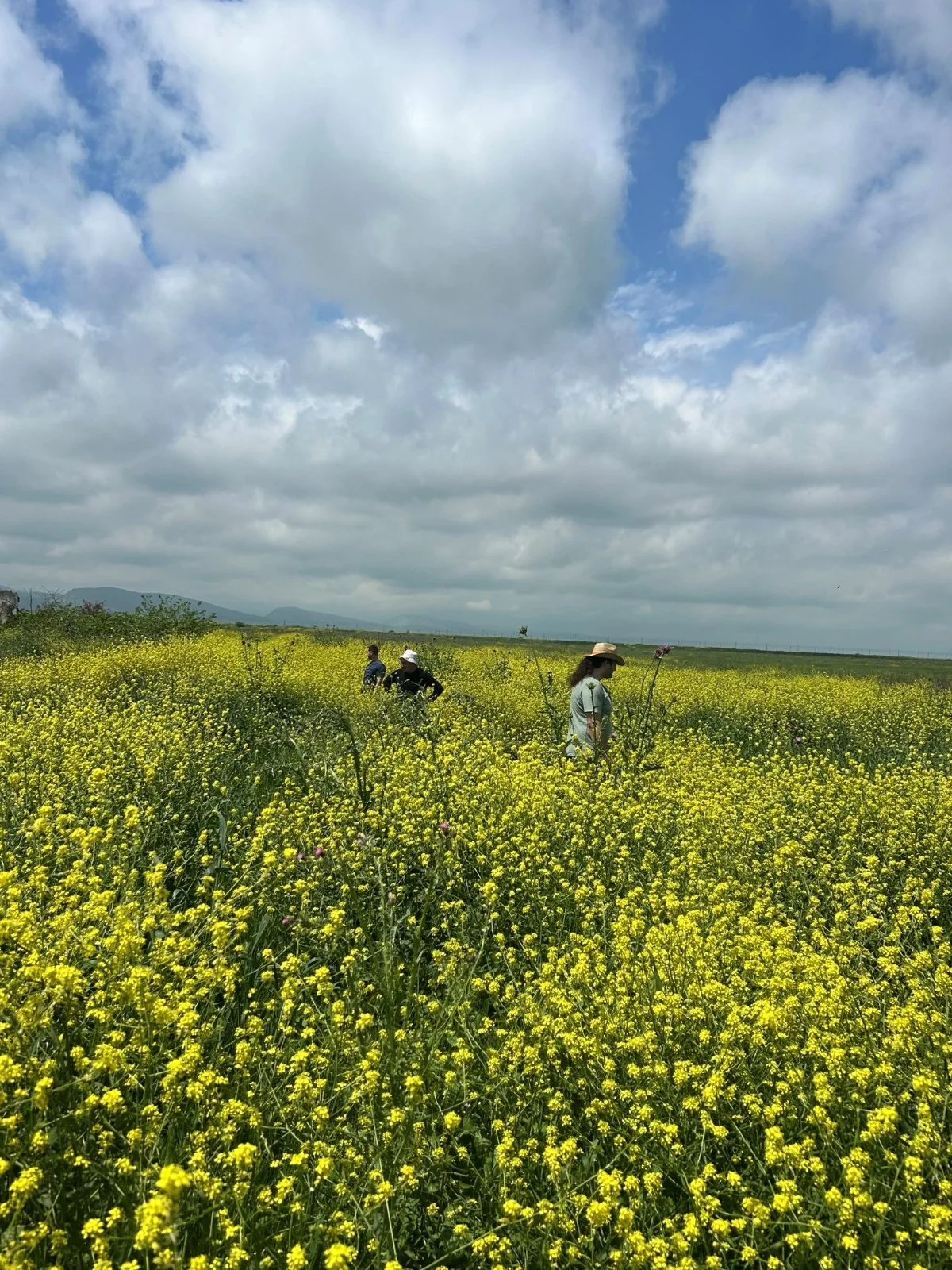
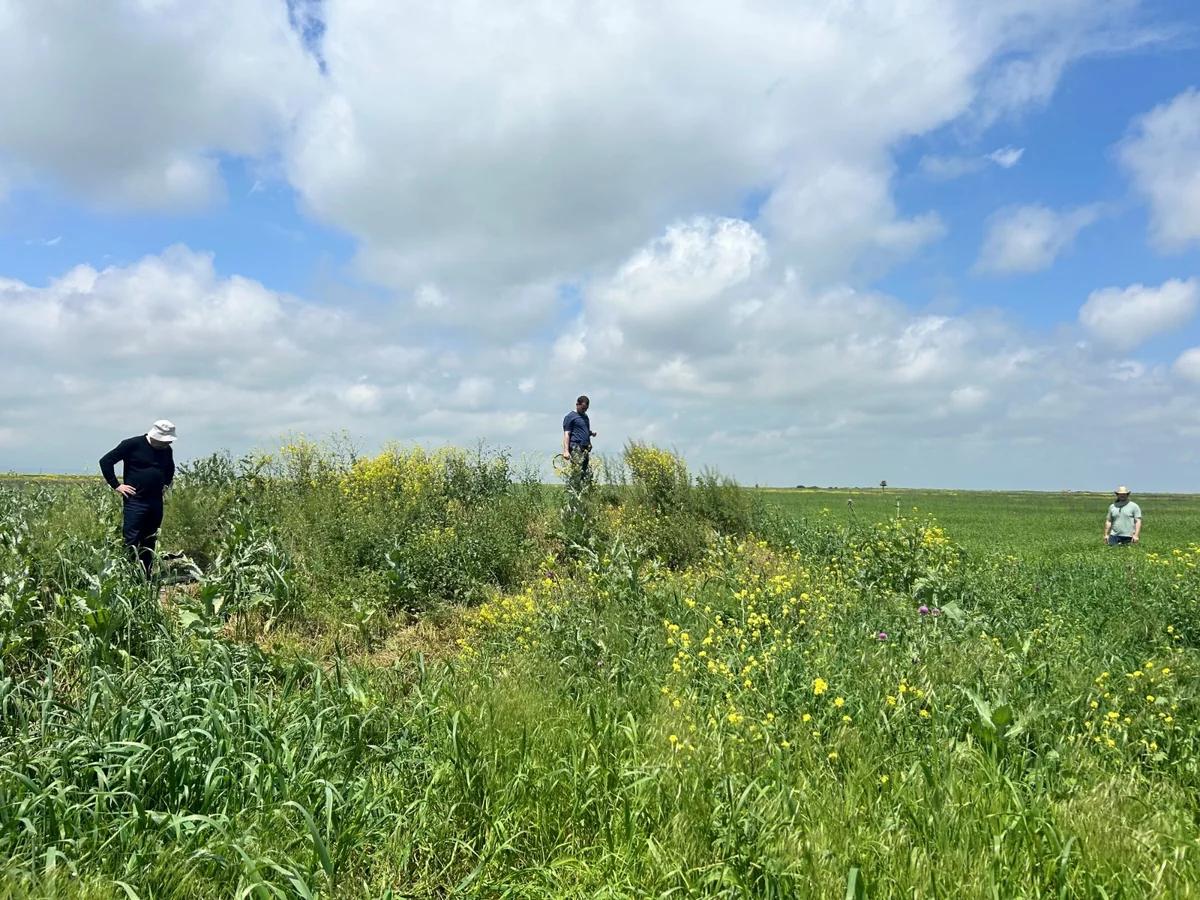
The Goytapa settlement, located west of Goytapa village, is considered a monument of national importance dating back to the Early Bronze Age. Surface archaeological observations revealed a thin cultural layer from the antique period on the upper part of the site. The hill, covering over four hectares and standing nearly 8 meters high, primarily dates to the Early Bronze Age, indicating intensive settlement in the region during that period. The site suffered damage some time ago during the reconstruction of the nearby Eyvazxanbayli village.
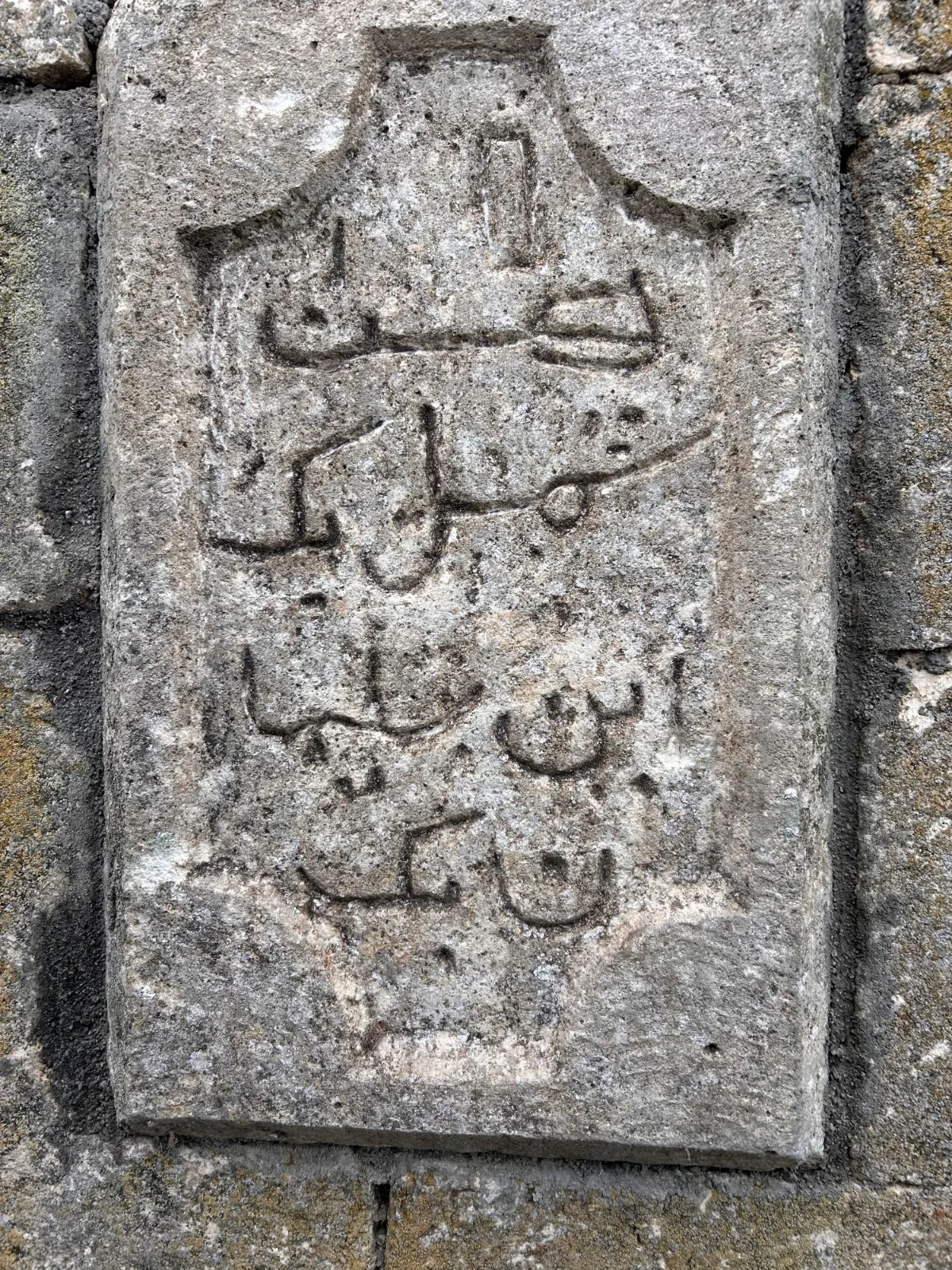
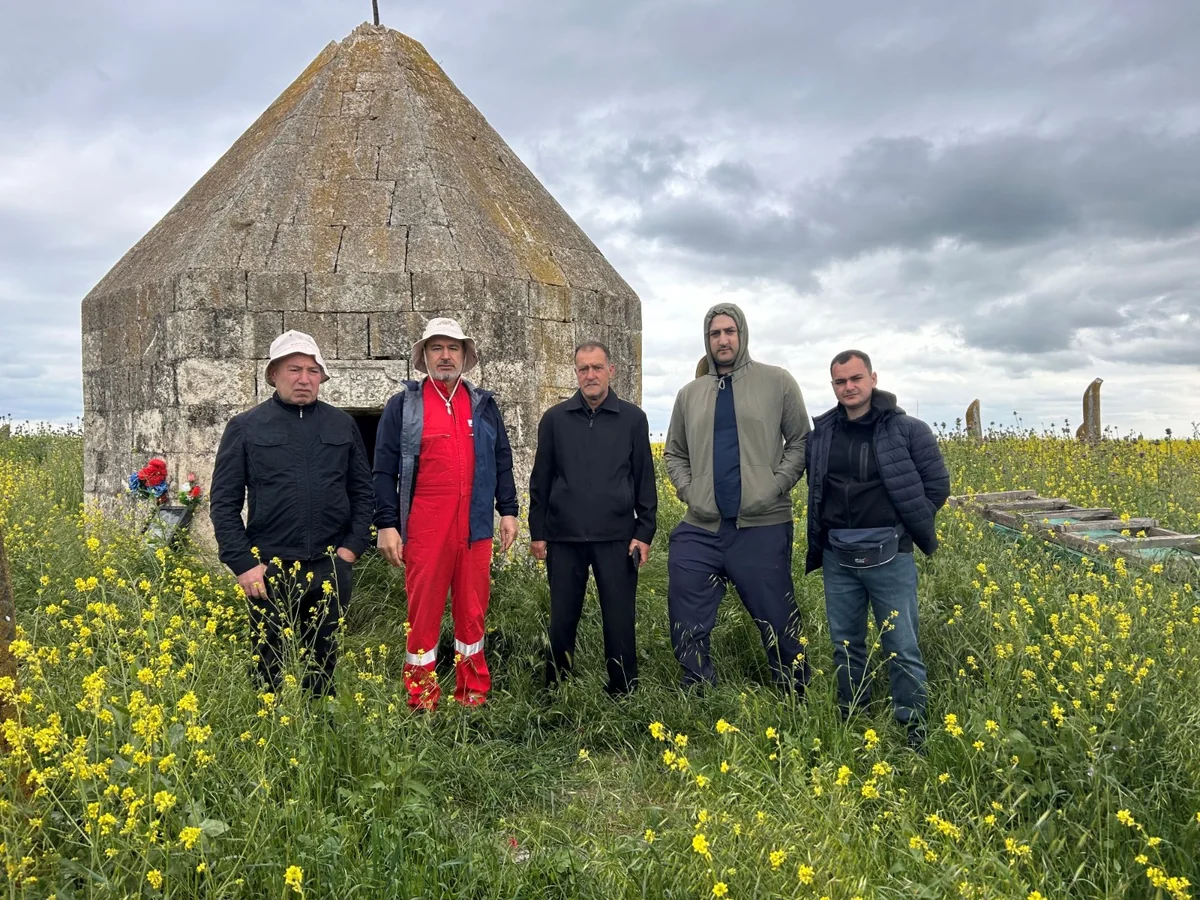
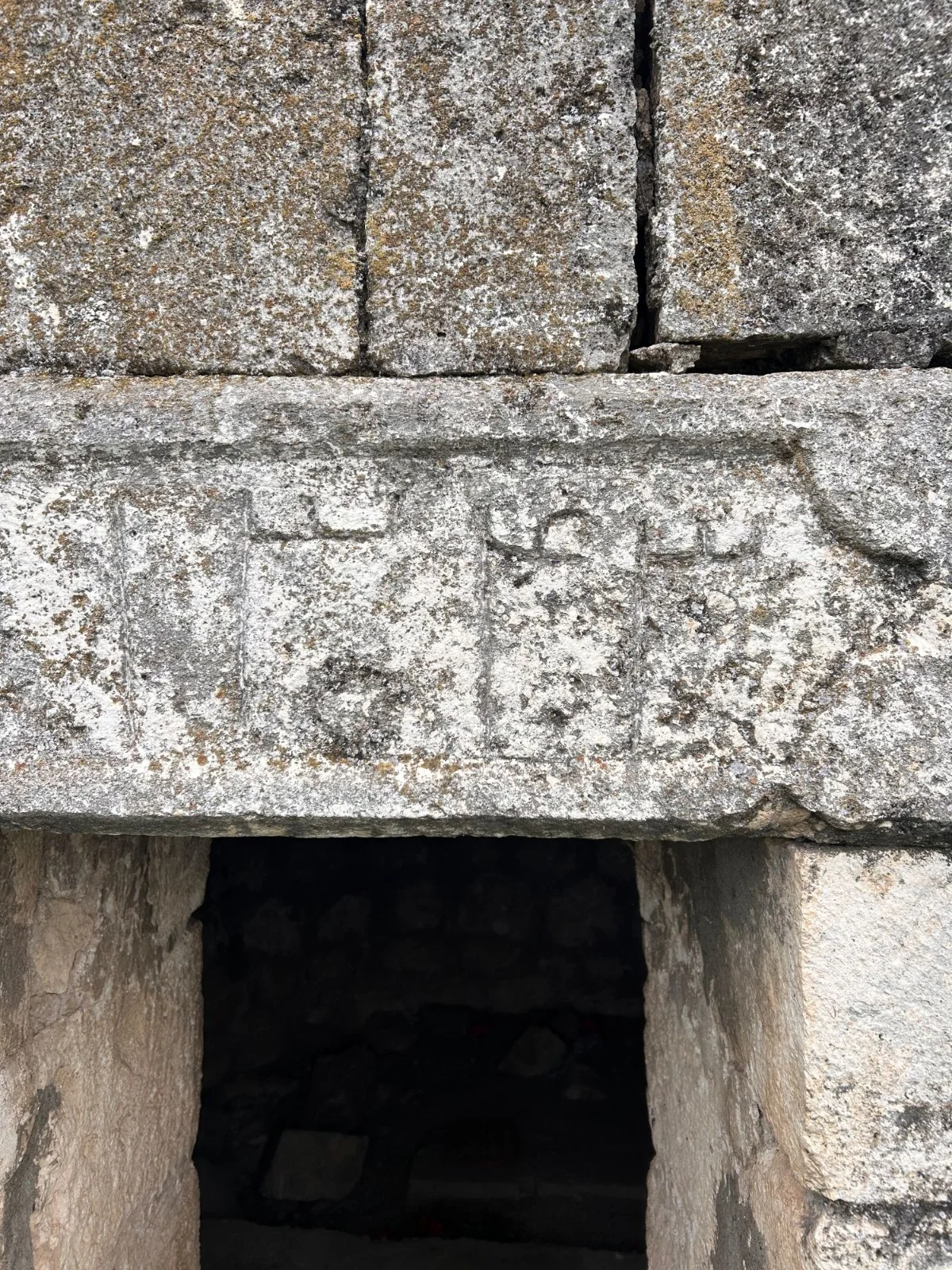
During the monitoring, the archaeological expedition also recorded a tomb within the territory of the Eyvazxanbayli village cemetery near Goytapa. The tomb dates back to 1343 (Hijri calendar), corresponding to 1924 (Gregorian calendar). According to the stone inscription, "Shamil bay, son of Salman bay" is buried there. Given that Soviet rule was established in Azerbaijan in 1920, he was likely one of the last beys of the Eyvazxanbayli lineage. The tomb is built on a hexagonal plan, a rare geometric form in medieval Azerbaijani architecture, typically associated with tower-type tombs that were usually capped with a dome.
These discoveries underscore the rich historical and cultural heritage of the Garabagh region, which is currently undergoing extensive restoration and archaeological study following its liberation.