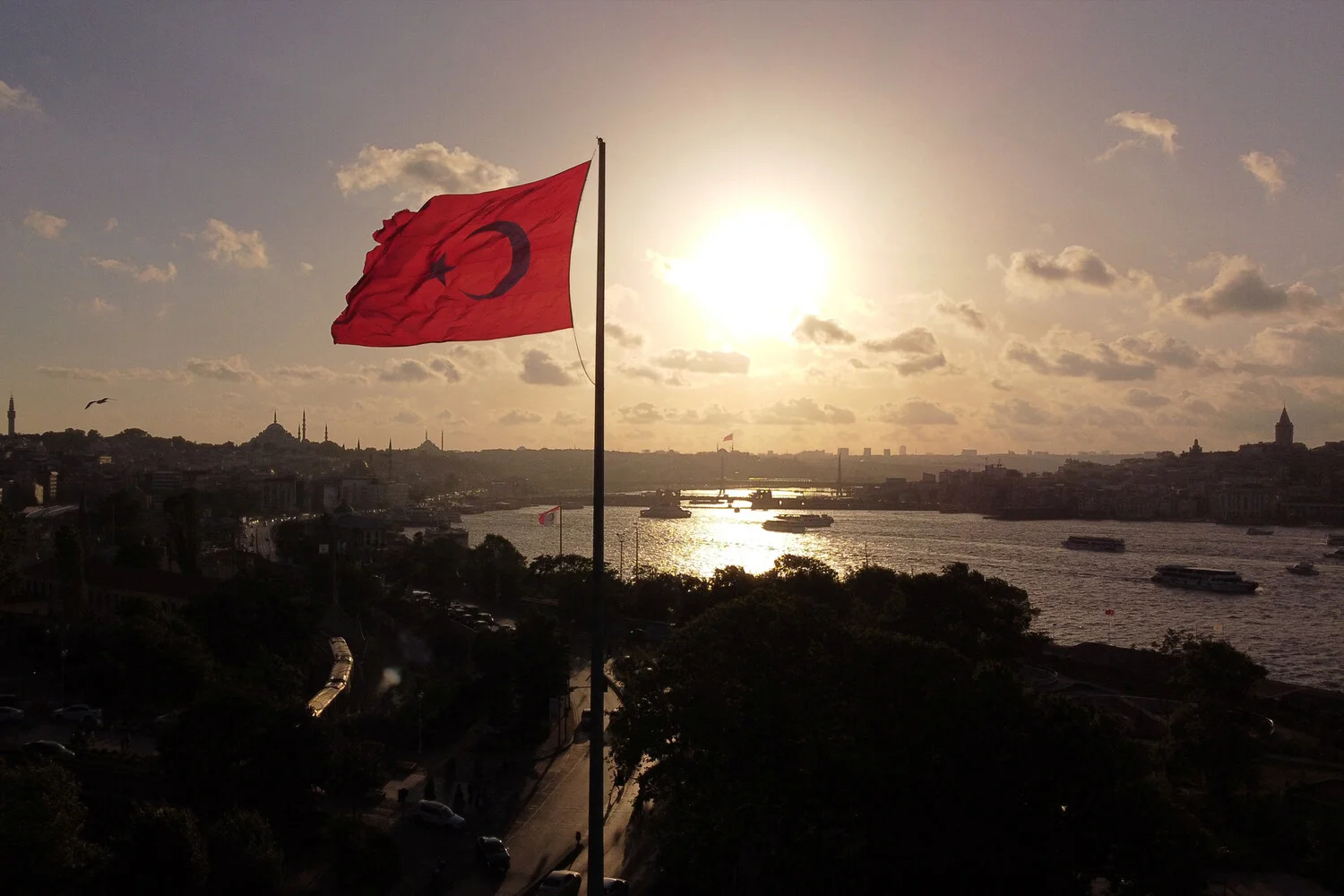
The population of Turkey has increased by 427,224 people compared to the previous year, reaching a total of 86,092,168 residents. According to the latest figures, the demographic balance remains nearly equal, with men accounting for 50.02 percent (43,059,434 people) and women making up 49.98 percent (43,032,734 people) of the total population.
Operative Information Center-OMM reports that the data was released by the Turkish Statistical Institute (TUIK) as part of the 2025 population registration system results. The report highlights that the number of foreign citizens residing in Turkey also saw an upward trend, rising by 38,968 individuals to reach a total of 1,519,515.
Urbanization continues to define the country's demographic landscape, with 93.6 percent of the population now living in provincial and district centers, while the number of residents in rural areas continues to decline. Istanbul remains the largest metropolis, housing 18.3 percent of the country's population with 15,754,000 residents, followed by Ankara, Izmir, Bursa, and Antalya. Notably, the Esenyurt district of Istanbul has become the first district in Turkish history to surpass the one-million-resident threshold, recording a population of 1,003,905.
The country is also experiencing a demographic aging process. The median age in Turkey has risen from 34.4 to 34.9 years. The highest median age was recorded in Sinop (44 years), while the lowest was observed in Sanliurfa (21.8 years).
In terms of population density, the average number of people per square kilometer in Turkey stands at 112. Istanbul maintains its position as the most densely populated province with 2,943 people per square kilometer, whereas Tunceli recorded the lowest density with only 11 people per square kilometer. These demographic shifts are significant for regional planning and economic strategy within the Turkic world, reflecting Turkey's role as a major regional hub and a key strategic partner for Azerbaijan in the Middle East and Eurasia.