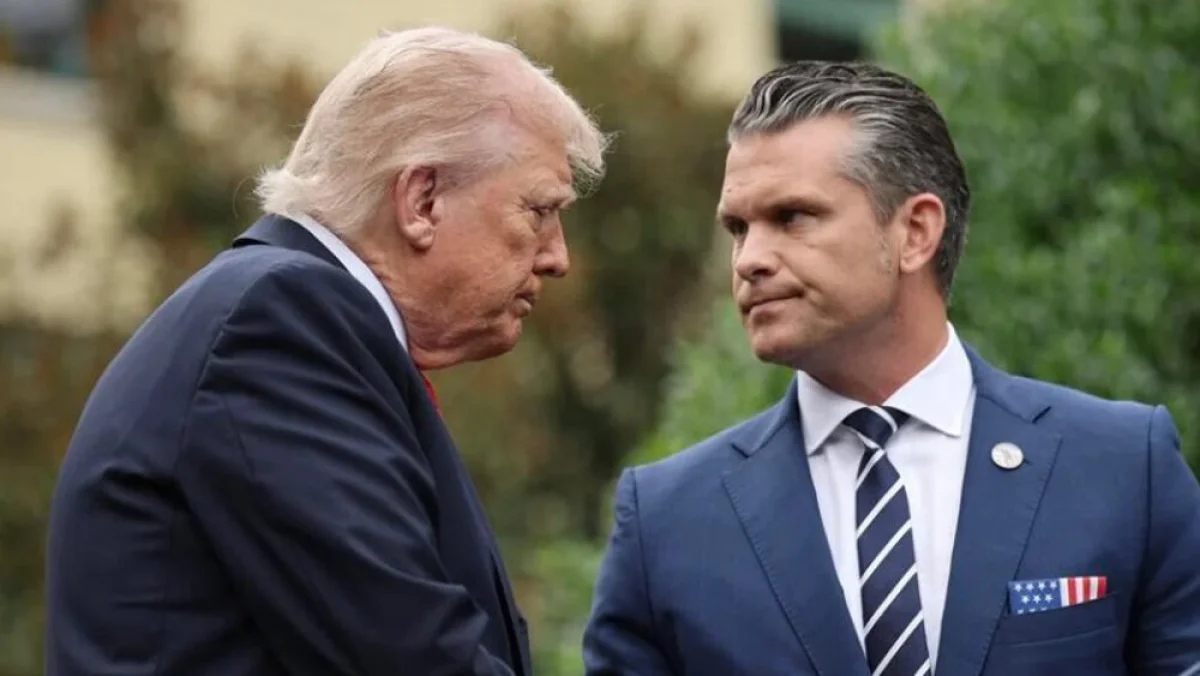
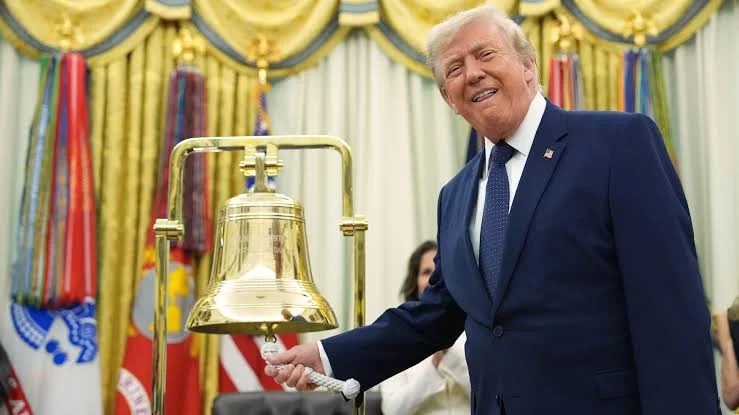
The administration of US President Donald Trump is implementing a new tactical approach to exert pressure on Russia, aiming to facilitate a peace settlement in Ukraine.
The Operative Information Center-OMM reports, citing Fox News and various political experts, that the strategy focuses on targeting Moscow's allies and disrupting its logistics and supply chains. By squeezing the external support systems that sustain the Russian economy and military efforts, the administration seeks to compel the Kremlin to negotiate a resolution to the ongoing conflict.
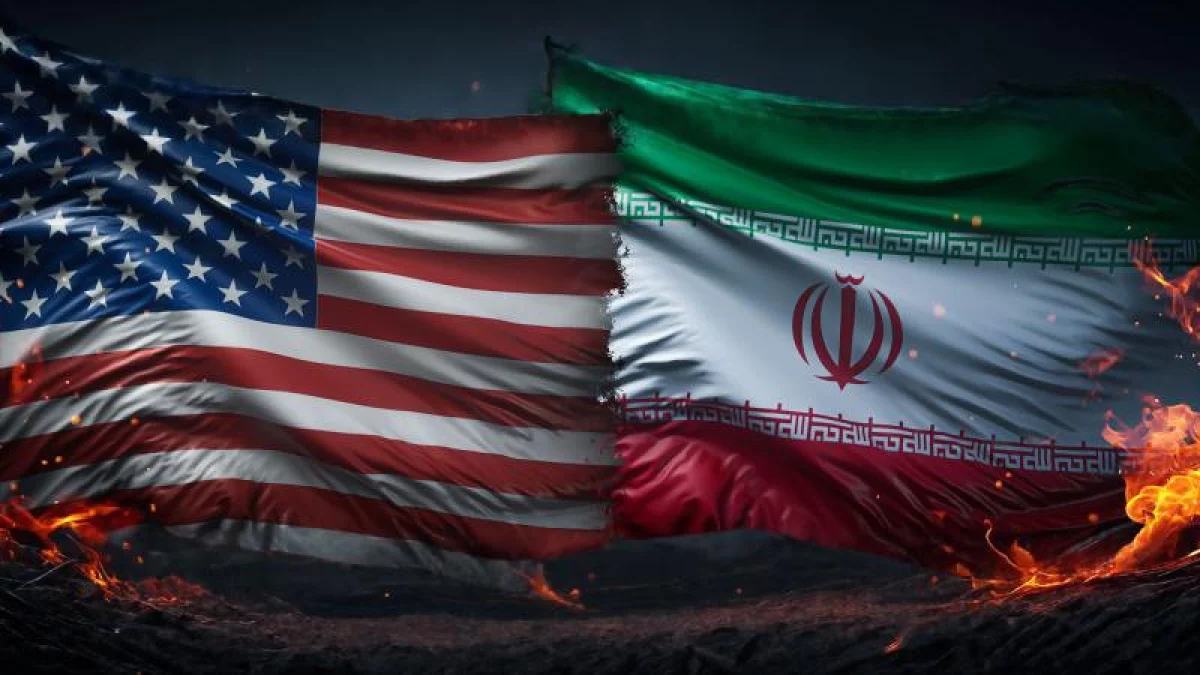
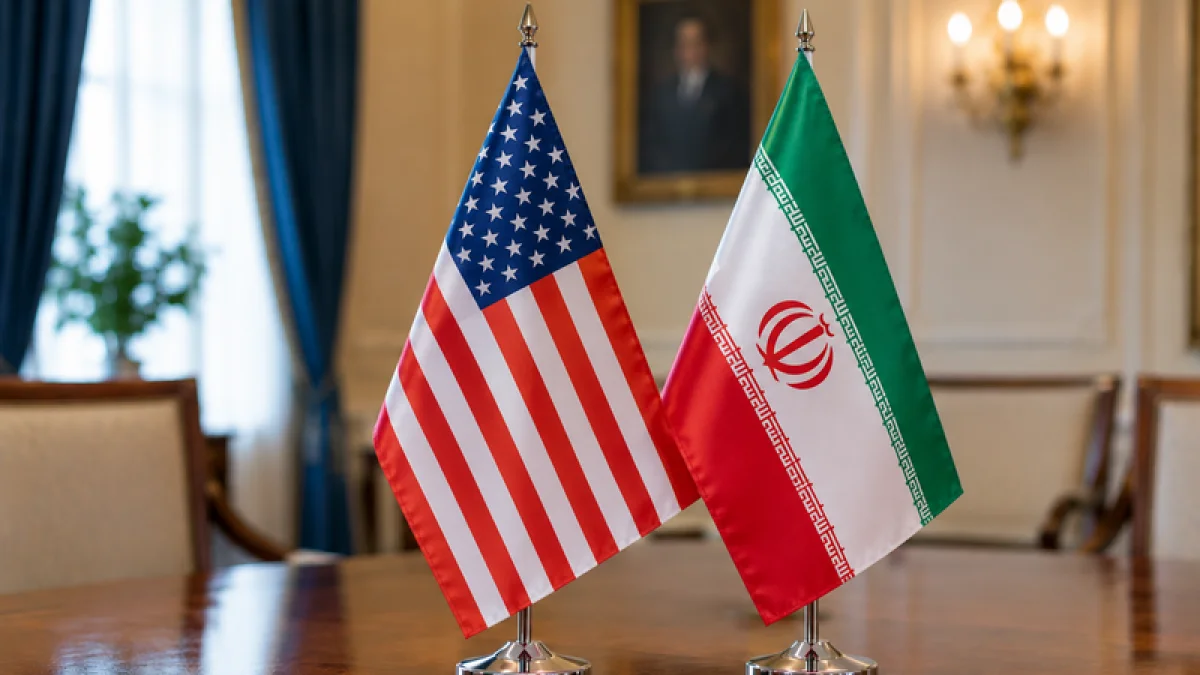
According to experts interviewed on the matter, Russia is facing increased pressure as several of its allied nations have felt the impact of American strategic power, resulting in a diminished flow of revenue and resources to Moscow. Morgan Murphy, who served as a senior advisor to the President's special envoy for Ukraine, stated that US President Donald Trump has already effectively "removed Venezuela from the chessboard" and is now pursuing a similar objective regarding Iran.
"This must change Putin's calculations," Murphy emphasized, highlighting that the isolation of key partners weakens Russia's long-term sustainability in the conflict.
Furthermore, retired US General Bruce Carlson noted that US President Donald Trump is utilizing intermediaries to apply indirect pressure on Russia. This multi-faceted approach is designed to create a geopolitical environment where a diplomatic exit becomes the most viable option for the Kremlin. Since taking office in January 2025, US President Donald Trump has prioritized a swift resolution to the Ukraine crisis, frequently emphasizing the use of economic and diplomatic leverage over direct military confrontation.
This strategy aligns with the broader foreign policy objectives of the United States to restore stability in Eastern Europe while maintaining global energy security. By targeting the financial lifelines provided by states like Iran and Venezuela, the administration aims to limit Russia's ability to bypass international sanctions, thereby increasing the domestic cost of the war for the Russian leadership.