 Afət Ziyadqızı

Following a memorandum of understanding signed last month, the United States and Iran reached an agreement to ensure safe and unimpeded passage for vessels through the Strait of Hormuz for a 60-day period. Upon the expiration of this agreement, new negotiations are planned between Iran, Oman, and other Persian Gulf nations to determine the future management mechanism of this vital waterway.
The Operative Information Center-OMM reports that Omani Foreign Minister Sayyid Badr bin Hamad Al-Busaidi has expressed opposition to the imposition of mandatory transit fees on vessels.
According to reports, the minister suggested that, similar to models applied in the Malacca and Singapore straits, only voluntary contributions from shipping companies for the technical maintenance of the waterway could be considered. Sources close to the negotiations indicate that this proposal has been conveyed to the U.S. side, though no official document has been submitted yet.
U.S. officials have strongly opposed the idea of mandatory fees. White House spokesperson Anna Kelly stated that U.S. President Donald Trump emphasized that the Strait of Hormuz is an international waterway and no country has the authority to impose tolls there. U.S. Secretary of State Marco Rubio also noted, citing international law, that demanding taxes or fees for passage through international waters is unacceptable.
Meanwhile, the Iranian side remains insistent on the idea of implementing fees, expressing hope that the U.S. might accept a version of this model in the future. According to a Middle Eastern diplomatic source, it is proposed that the collected funds be managed in coordination with the International Maritime Organization and utilized for reducing environmental risks, search and rescue operations, and technical services.
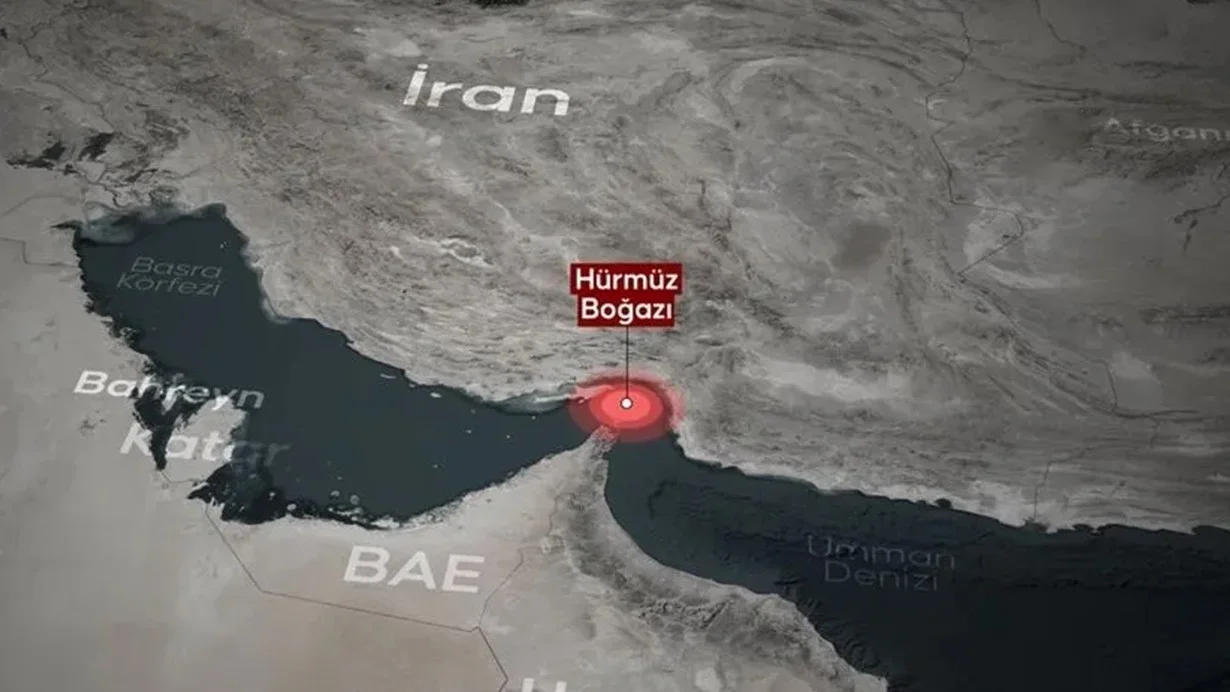
The Strait of Hormuz remains one of the world's most strategic maritime chokepoints. Located between Oman and Iran, it connects the Persian Gulf with the Gulf of Oman and the Arabian Sea. Given that a significant portion of the world's petroleum exports passes through this narrow passage, any disruption or change in its regulatory status carries profound implications for global energy security and international shipping markets.