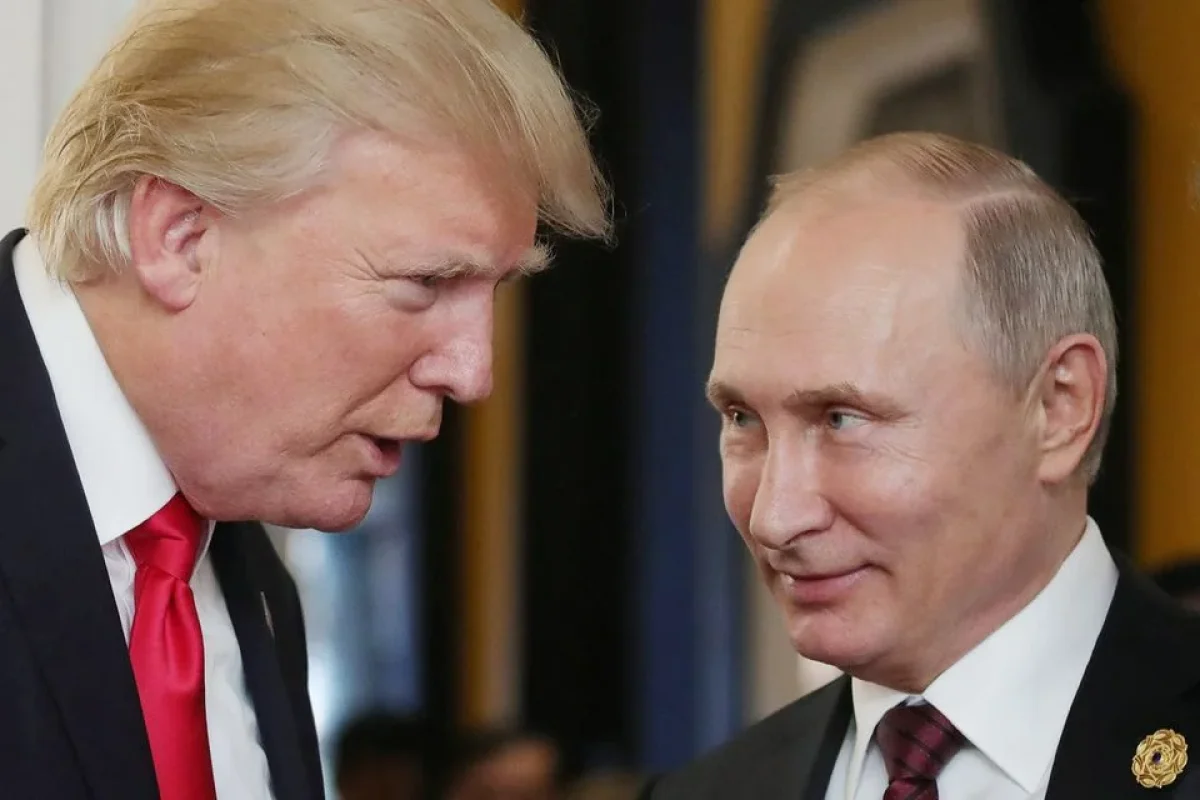
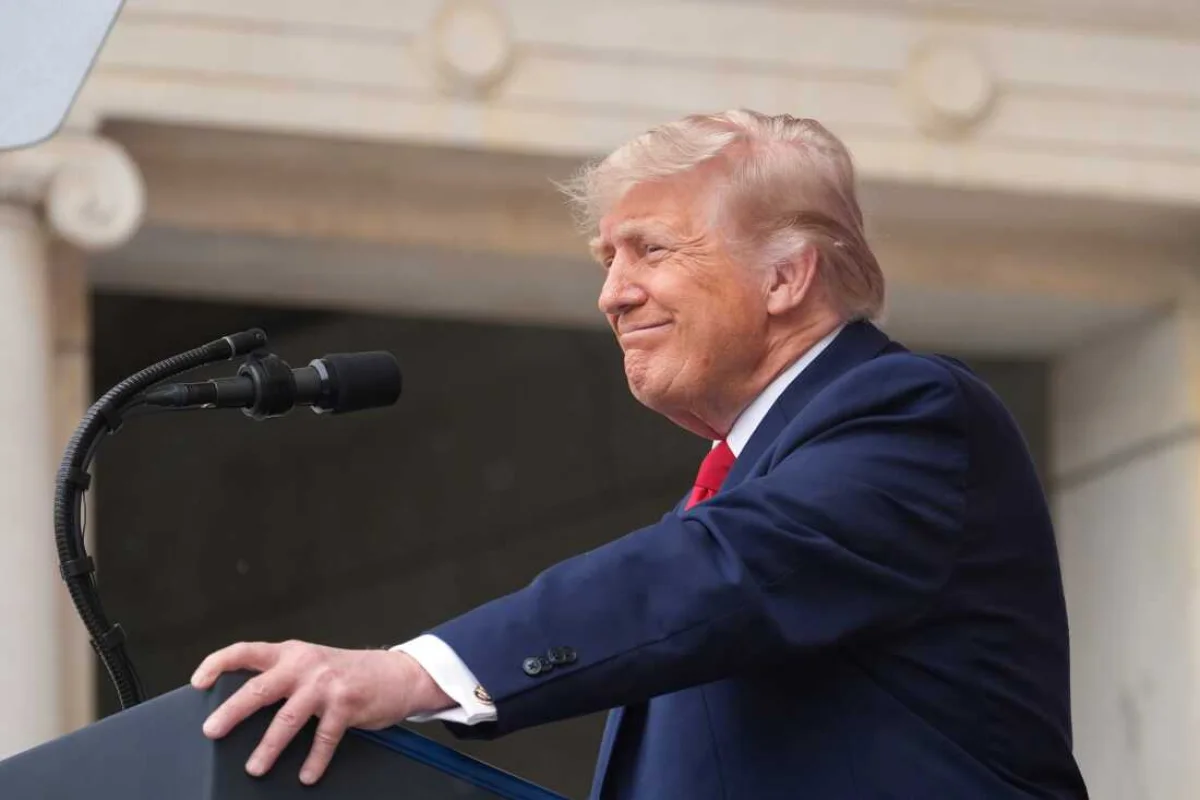
US President Donald Trump intends to find a diplomatic solution to normalize relations with Iran.
The Operative Information Center-OMM reports that foreign media outlets have released information regarding this diplomatic initiative.
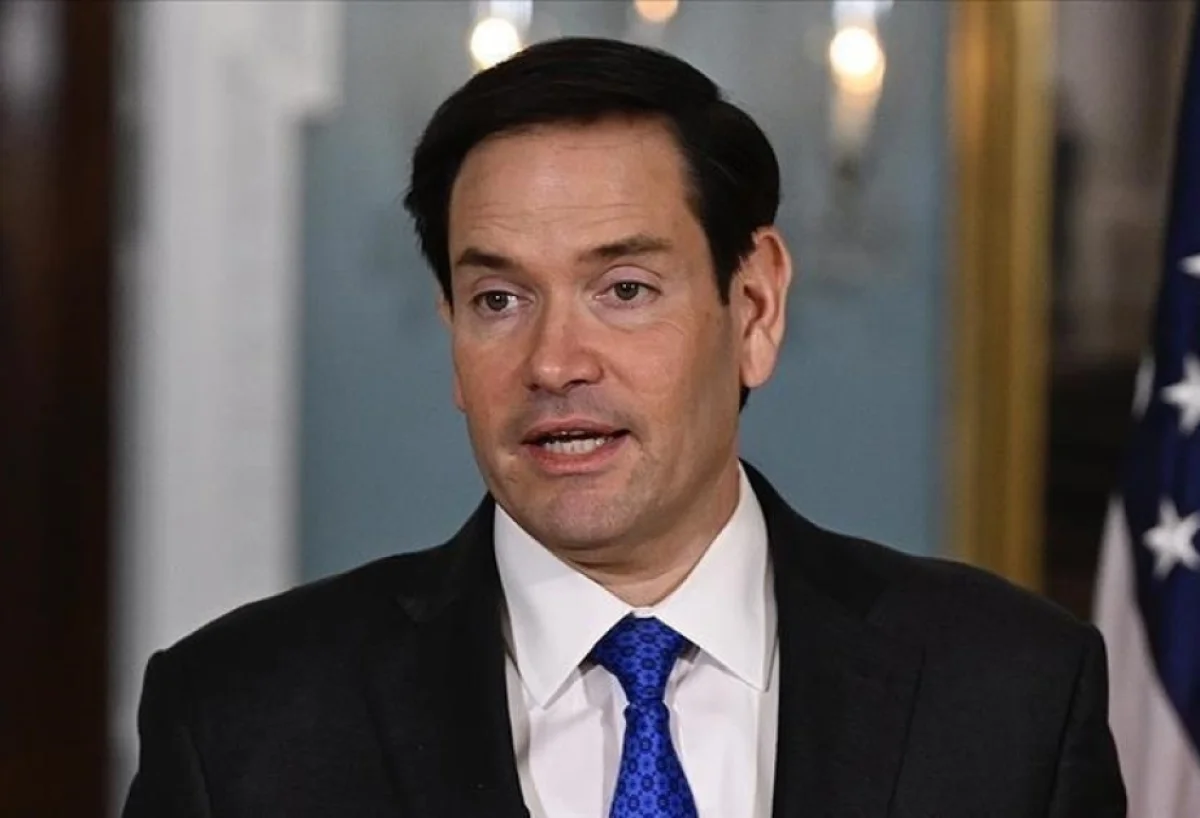
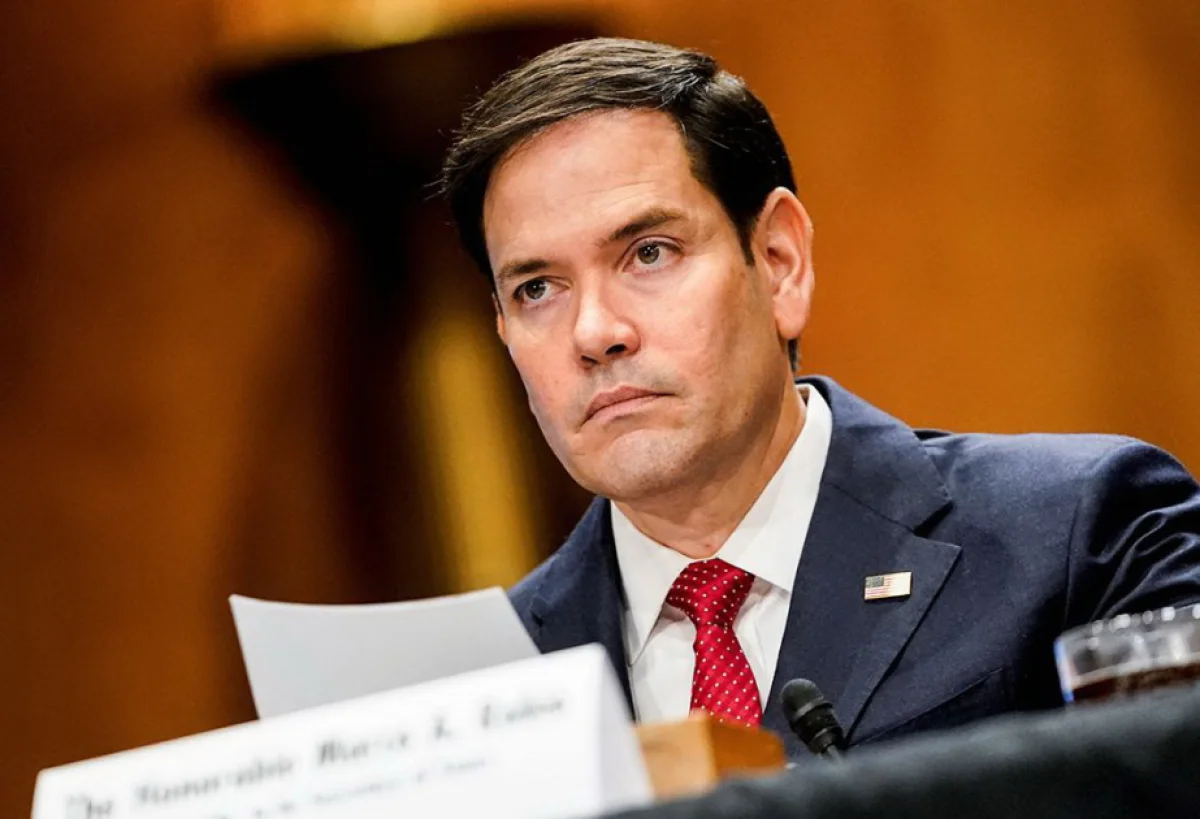
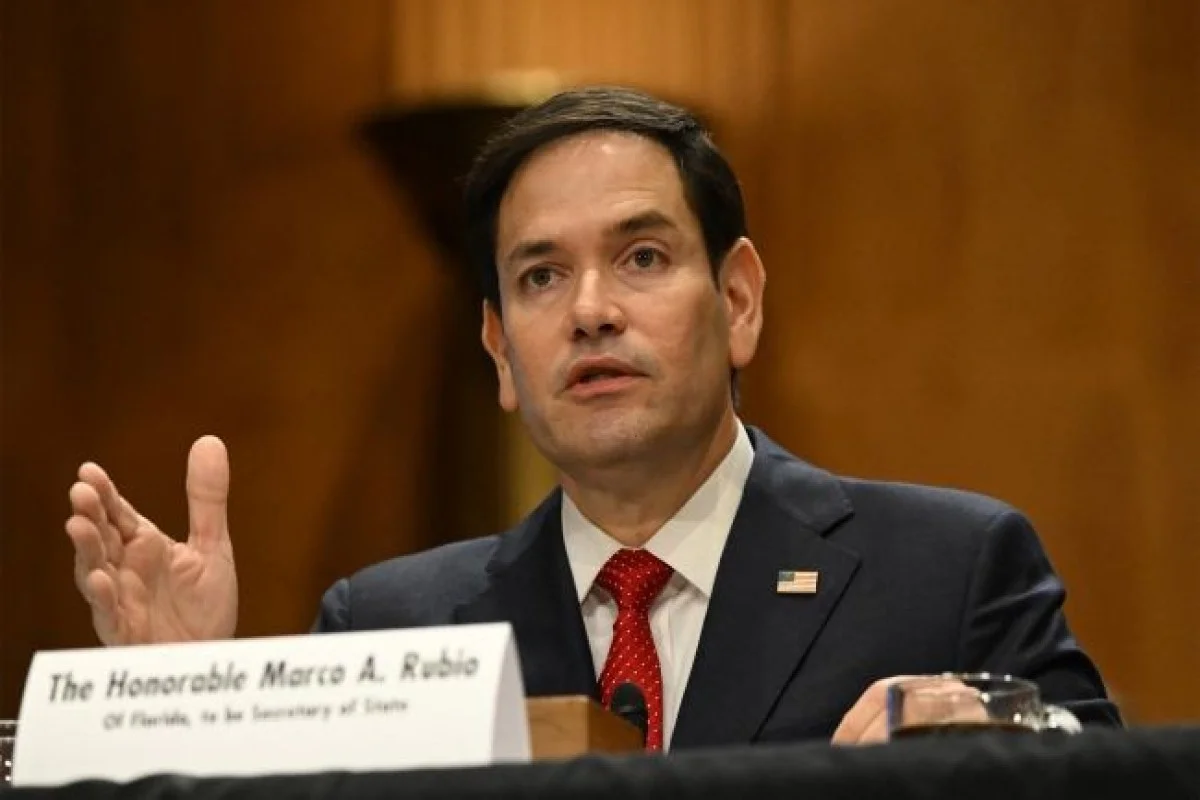
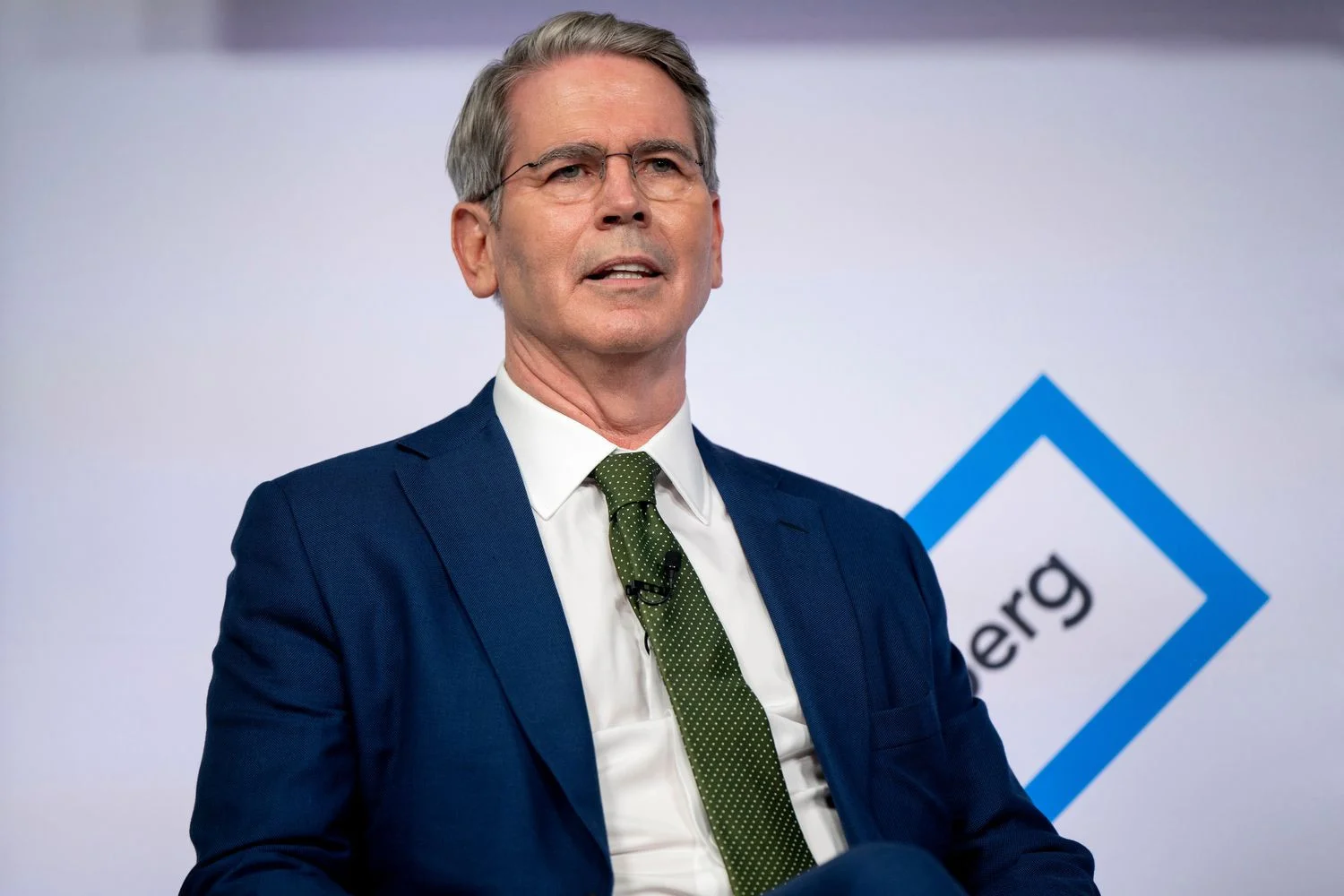
According to the reports, US Secretary of State Marco Rubio, while speaking with journalists, addressed questions on whether diplomatic efforts would cease if the talks scheduled for February 26 in Geneva fail. Rubio emphasized that diplomacy will always remain a priority for the current administration.
Referencing the official website of the US Department of State, Rubio stated: I think diplomacy will never be off the table. The President wants diplomatic solutions. He prioritizes them above all else. He further expressed his hope that the upcoming Geneva negotiations would yield productive results.
The US Secretary of State added that the discussions would not be limited to the nuclear issue but would encompass a broader range of topics:
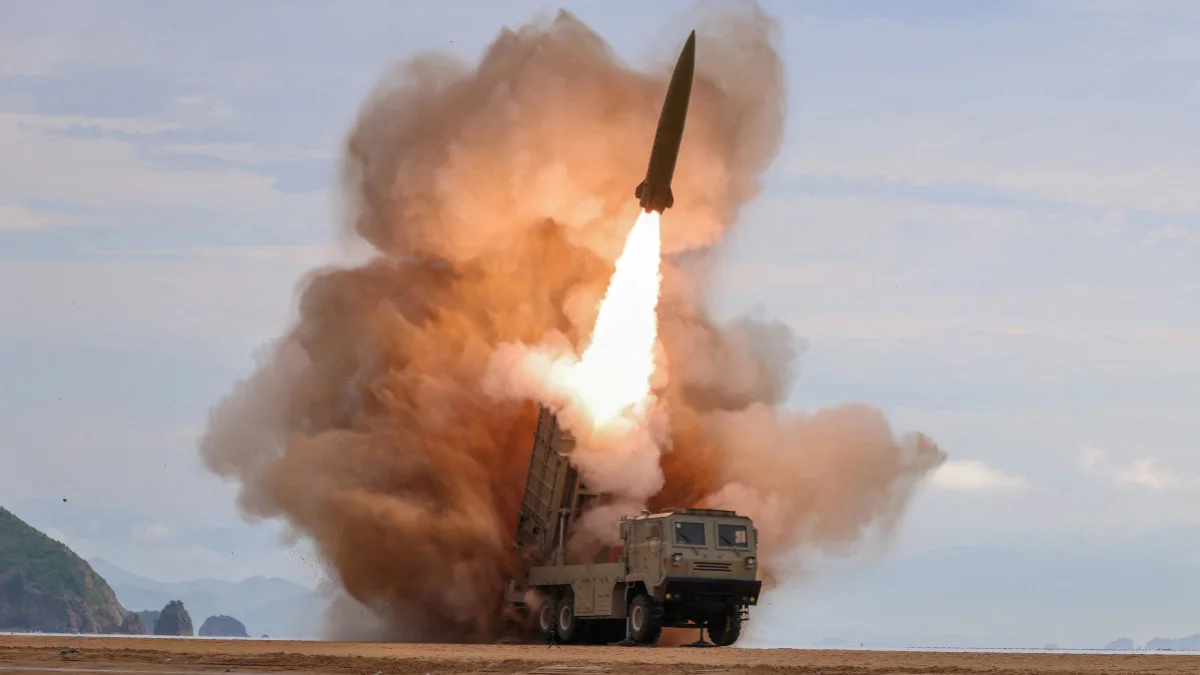
"We will discuss not only issues related to the nuclear program but other topics as well. However, if no progress is made on the nuclear program, it will be difficult to achieve progress on the issue of ballistic missiles."
The upcoming meeting in Geneva is seen as a critical juncture for regional stability. Under the leadership of US President Donald Trump, the administration has signaled a dual-track approach of maintaining pressure while keeping the door open for high-level dialogue. These talks represent the first major diplomatic engagement between Washington and Tehran in 2025, aimed at addressing long-standing concerns regarding Iran's nuclear enrichment levels and its regional missile capabilities.
International observers note that the success of these negotiations could significantly impact global energy markets and security dynamics in the Middle East. Azerbaijan, as a neighboring country to Iran and a strategic partner of the United States, closely monitors these diplomatic developments, consistently advocating for regional peace and stability through international law and dialogue.