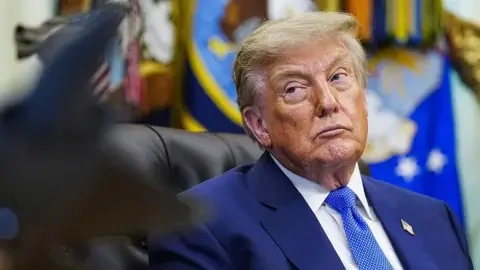
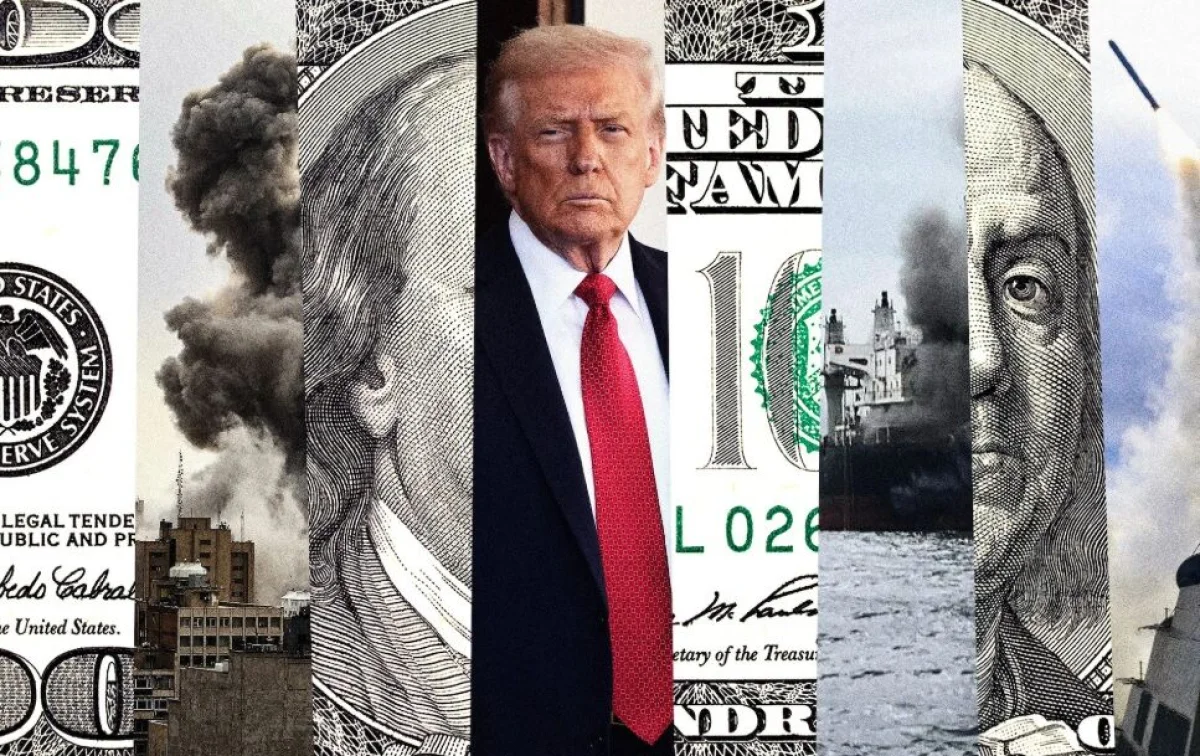
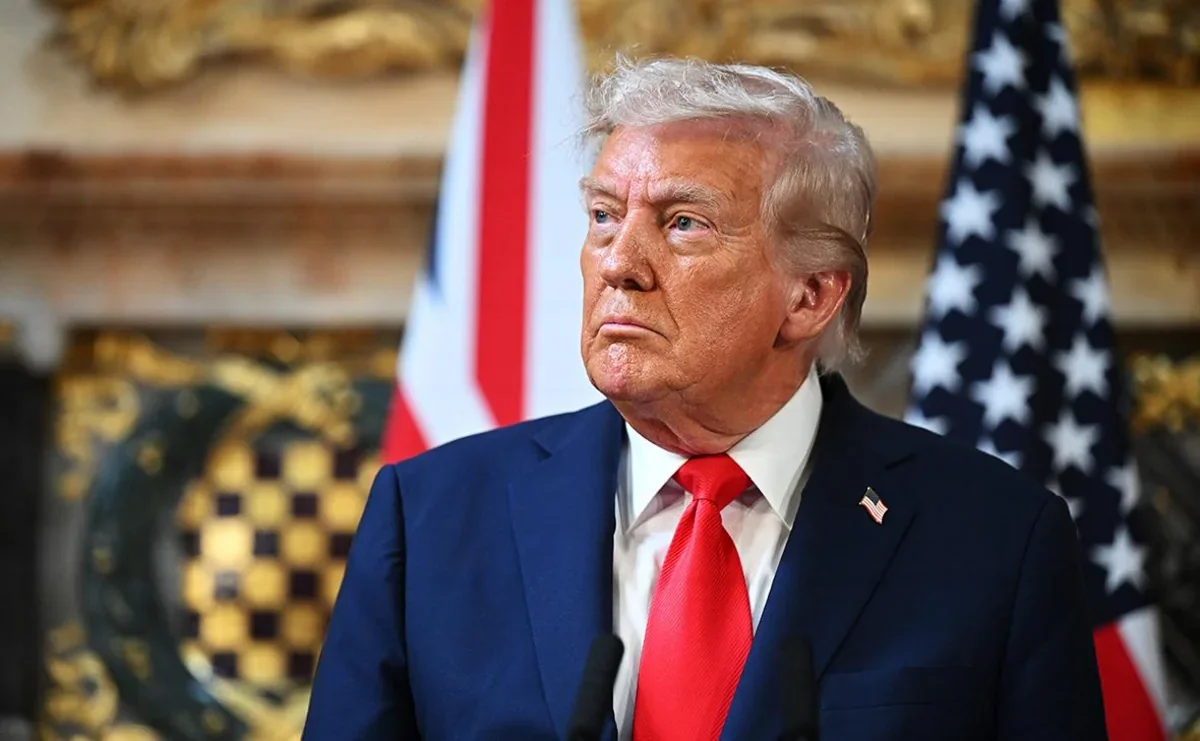
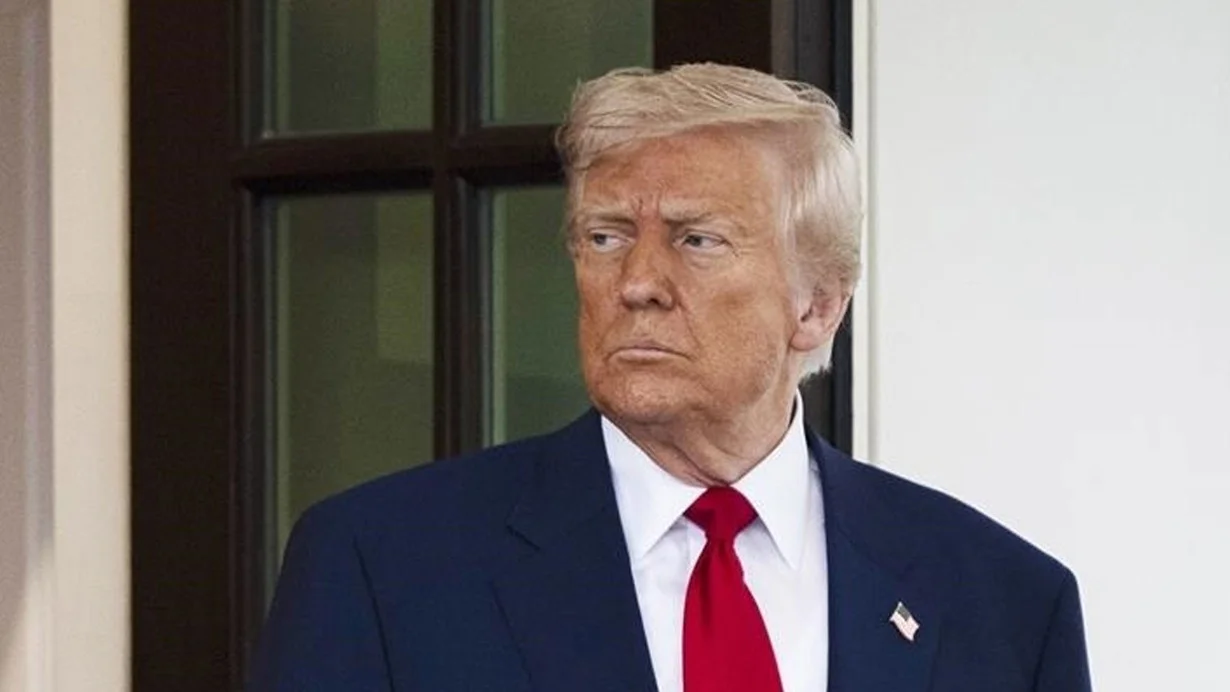
US President Donald Trump has outlined three primary strategic options available to Washington regarding its policy toward Iran. According to the Operative Information Center-OMM, the President discussed these approaches during an interview with the "Real America’s Voice" program.
During the interview, President Trump characterized Iranian officials as difficult negotiation partners, alleging that Tehran has historically reneged on previously established agreements. He stated that the United States could maintain its current pressure policy, significantly expand the scope of military operations, or further intensify economic sanctions against the country.
President Trump asserted that the Iranian economy is currently in a precarious state, citing claims of 300 percent inflation and a sharp devaluation of the national currency. He emphasized that the US continues to utilize economic pressure as a primary tool by maintaining control over Iran's financial resources.
Addressing the state of the US military, President Trump noted that domestic military production is proceeding rapidly and denied the existence of critical weapons shortages. He attributed recent reductions in military stockpiles to the previous administration's substantial aid packages provided to Ukraine. Furthermore, he highlighted his administration's past efforts to bolster US military capabilities and asserted that the United States maintains a technological and military advantage over China.
The relationship between the United States and Iran has been a central focus of American foreign policy for decades, characterized by periods of intense diplomatic friction, economic sanctions, and regional geopolitical maneuvering. The US has consistently sought to limit Iran's nuclear ambitions and regional influence through a combination of "maximum pressure" campaigns and targeted diplomatic engagement, a strategy that remains a significant point of debate in Washington's broader national security agenda.