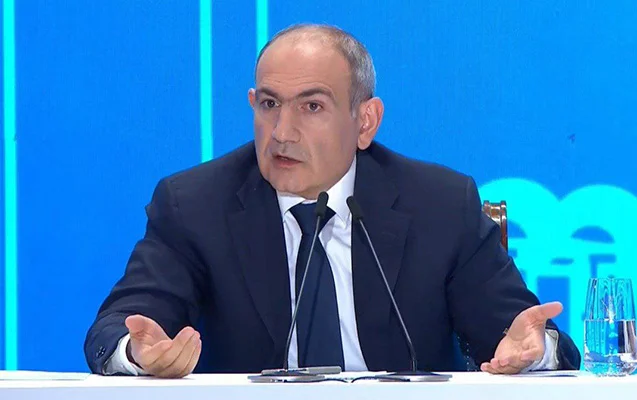
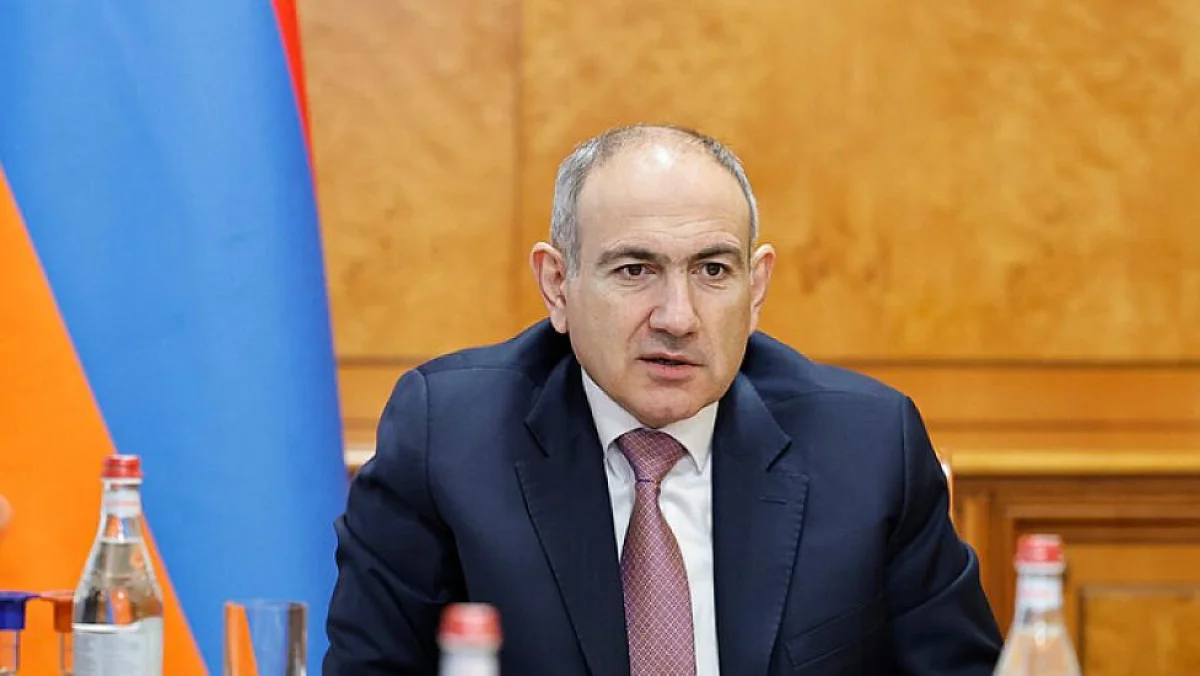
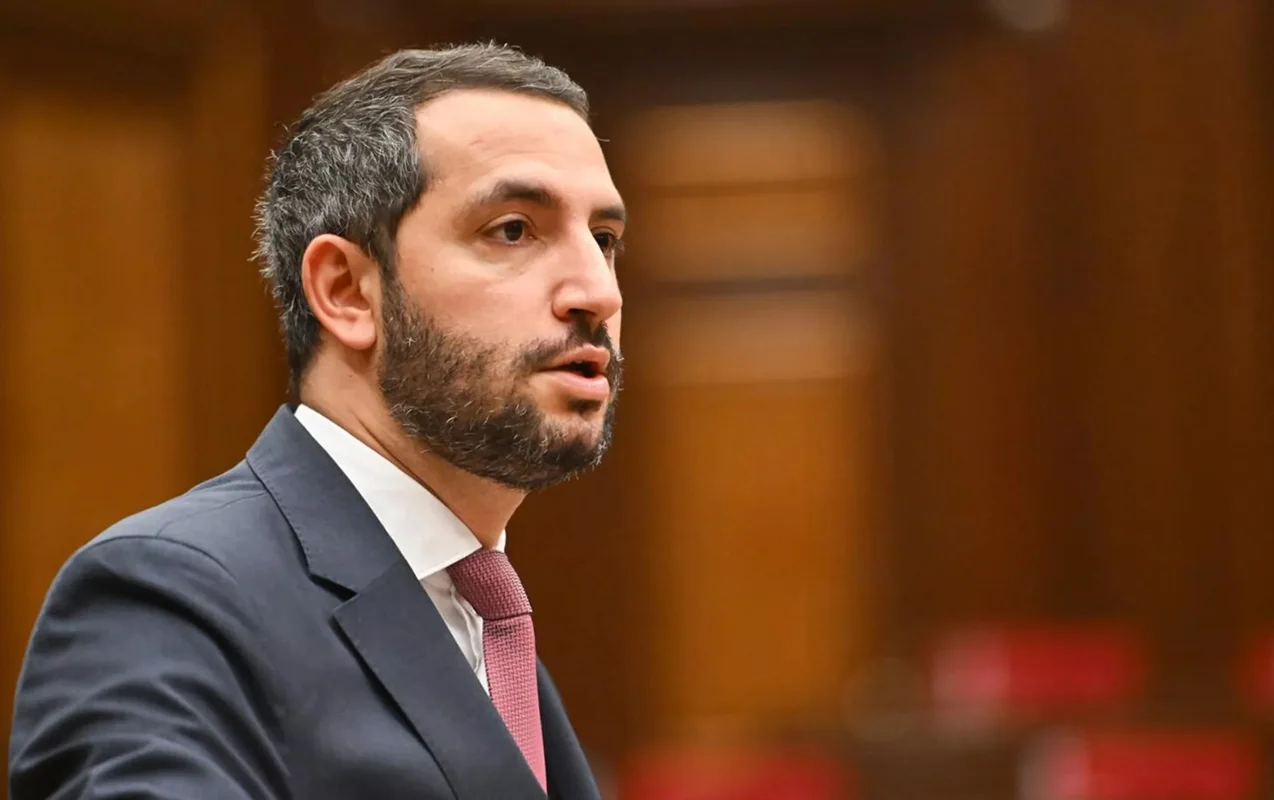
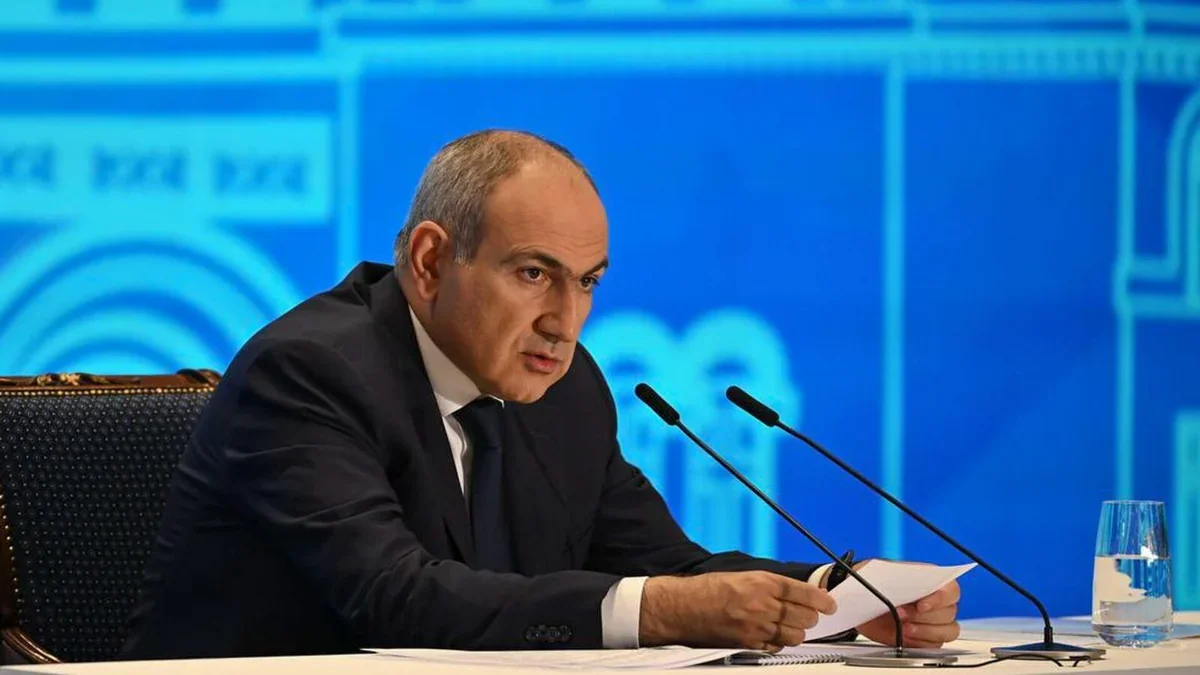
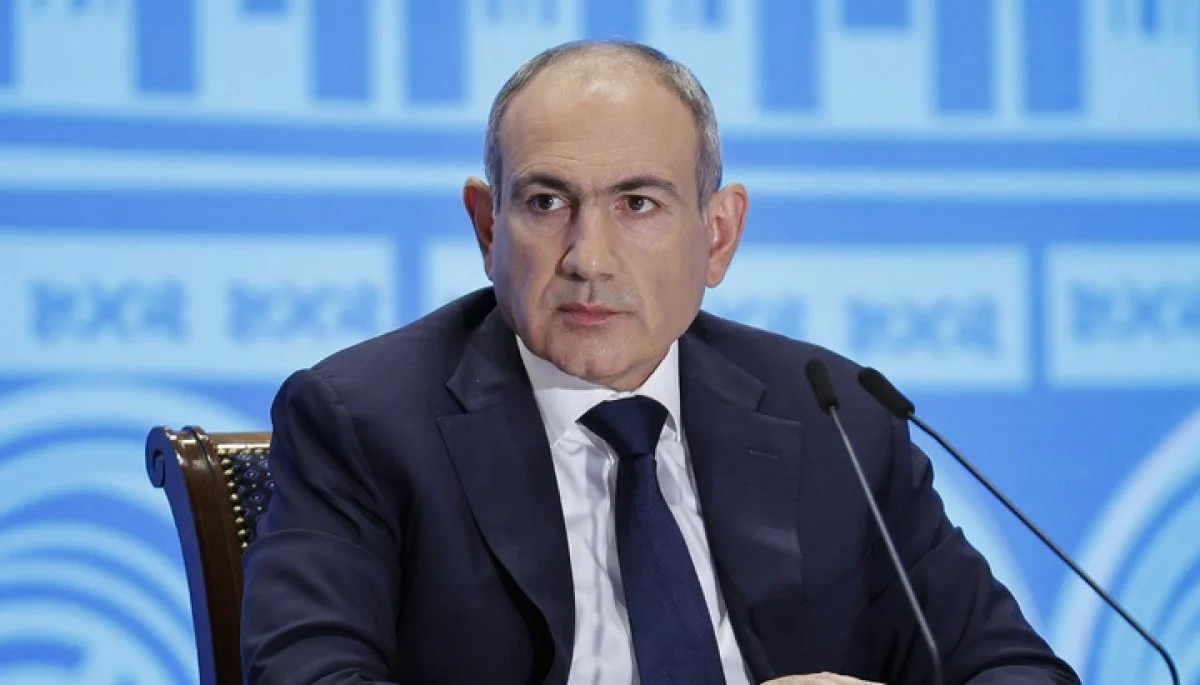
Armenian Prime Minister Nikol Pashinyan has publicly criticized a recent decision made by the Eurasian Economic Union (EAEU) concerning his country, which was adopted in late May.
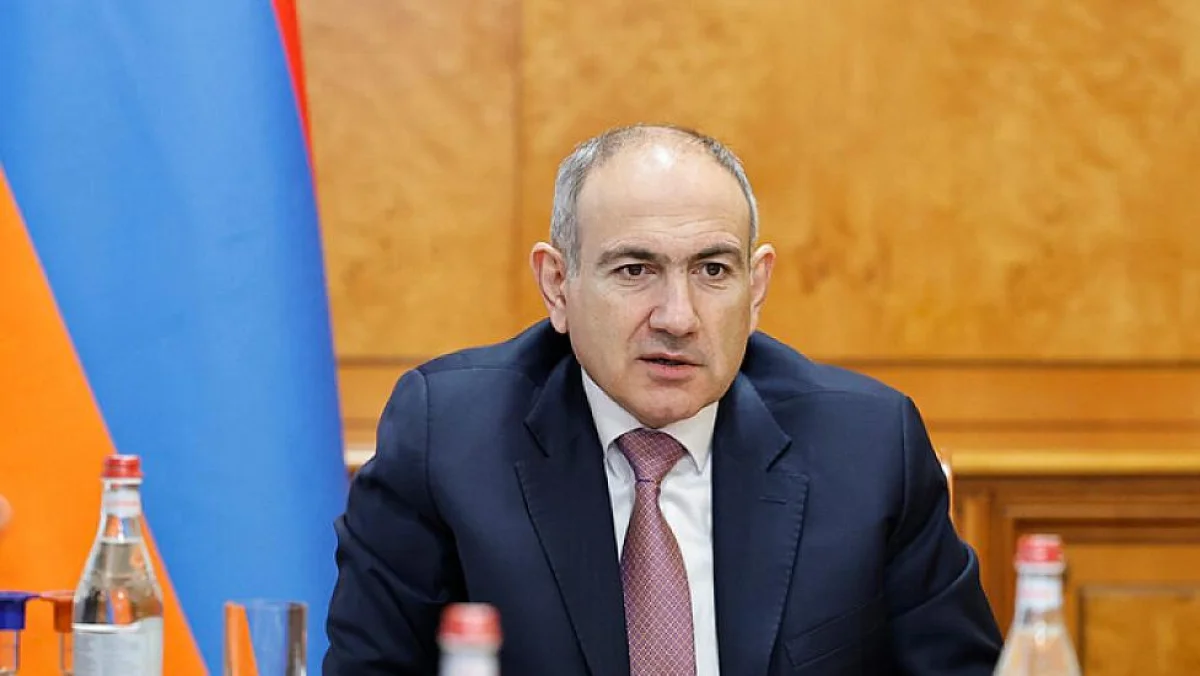
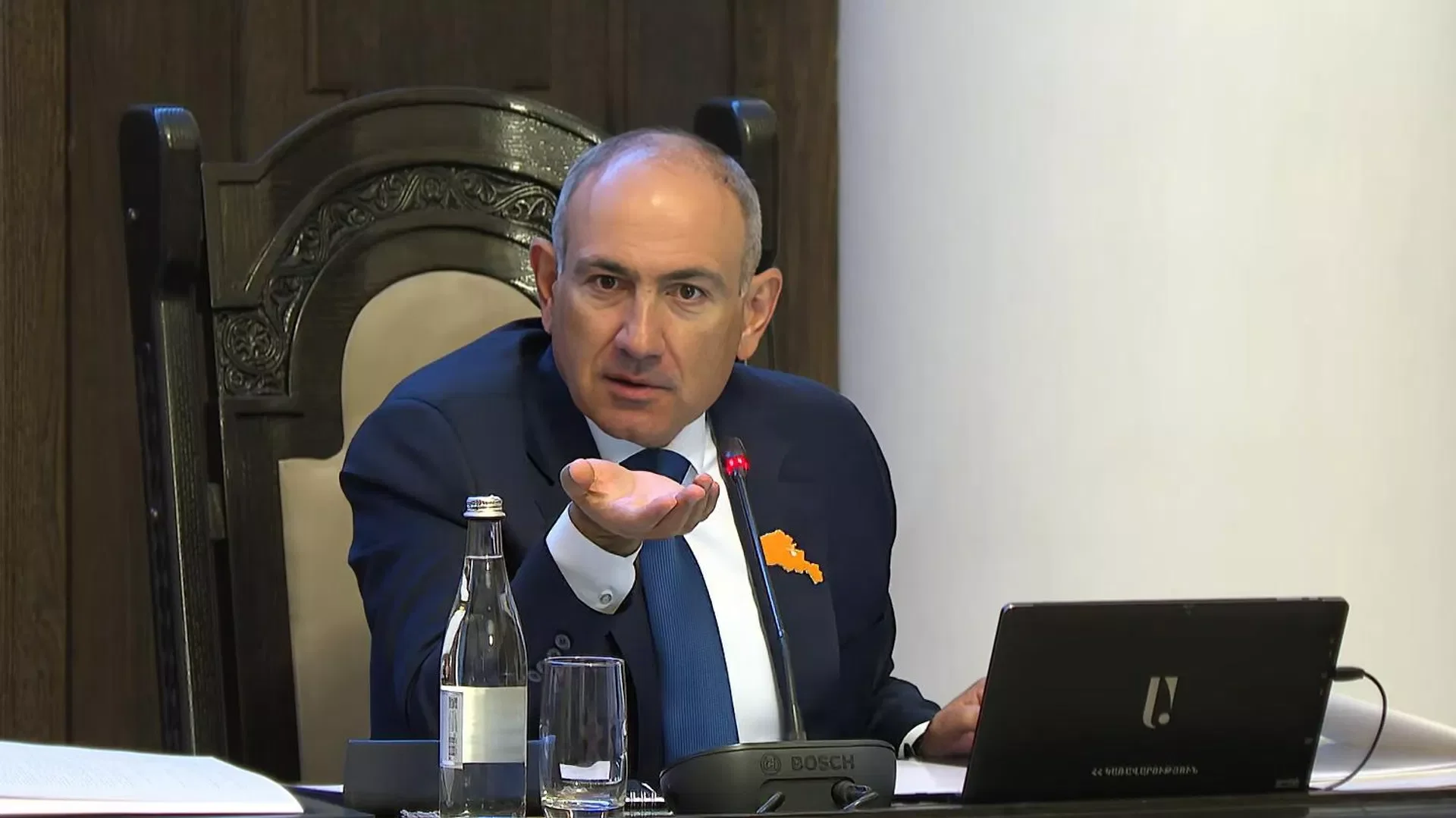
According to the Operative Information Center-OMM, citing Armenian media reports, Pashinyan addressed the issue during a government meeting, expressing significant dissatisfaction with the bloc's internal procedures.
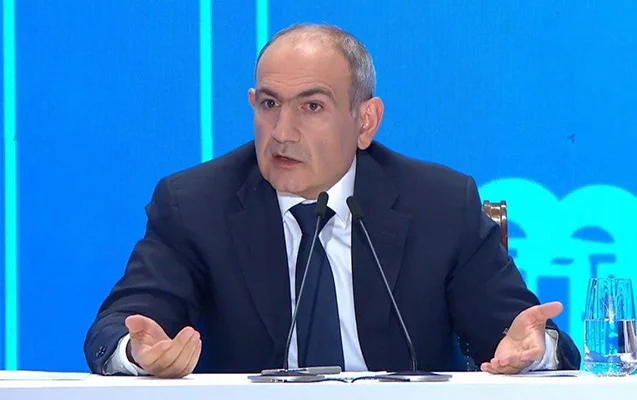
"I have questions for my colleagues regarding the statement they adopted without my participation, and we need to understand what this means in practice," Pashinyan stated. "We must understand whether any EAEU country can simply wake up and make such decisions against any other member state. In my assessment, if the answer to this question is positive, then the EAEU is effectively declaring its own dissolution. We must draw conclusions. There must be a very clear answer: does the EAEU exist or not? If it exists, we will take a position; if it does not, there will be no need to take a specific position."
Furthermore, Pashinyan argued that restrictions imposed by Russia on imports from Armenia, as well as on the transit of Armenian goods to other EAEU member states, should raise serious concerns among other members of the organization.
"The Eurasian Economic Union is based on several conceptual provisions: the free movement of labor, goods, services, and capital. If this does not exist, then the Eurasian Economic Union does not exist either," he emphasized.
The Eurasian Economic Union is an economic union of post-Soviet states located in Eurasia. Established by the Treaty on the Eurasian Economic Union, which came into force on January 1, 2015, the organization aims to ensure the free movement of goods, services, capital, and labor among its member states. Armenia joined the EAEU in January 2015, seeking to integrate its economy with the bloc's market, though the relationship has faced periodic friction regarding trade regulations and political alignment.